What protein means for your bone health
Source Entity
The Indian Express
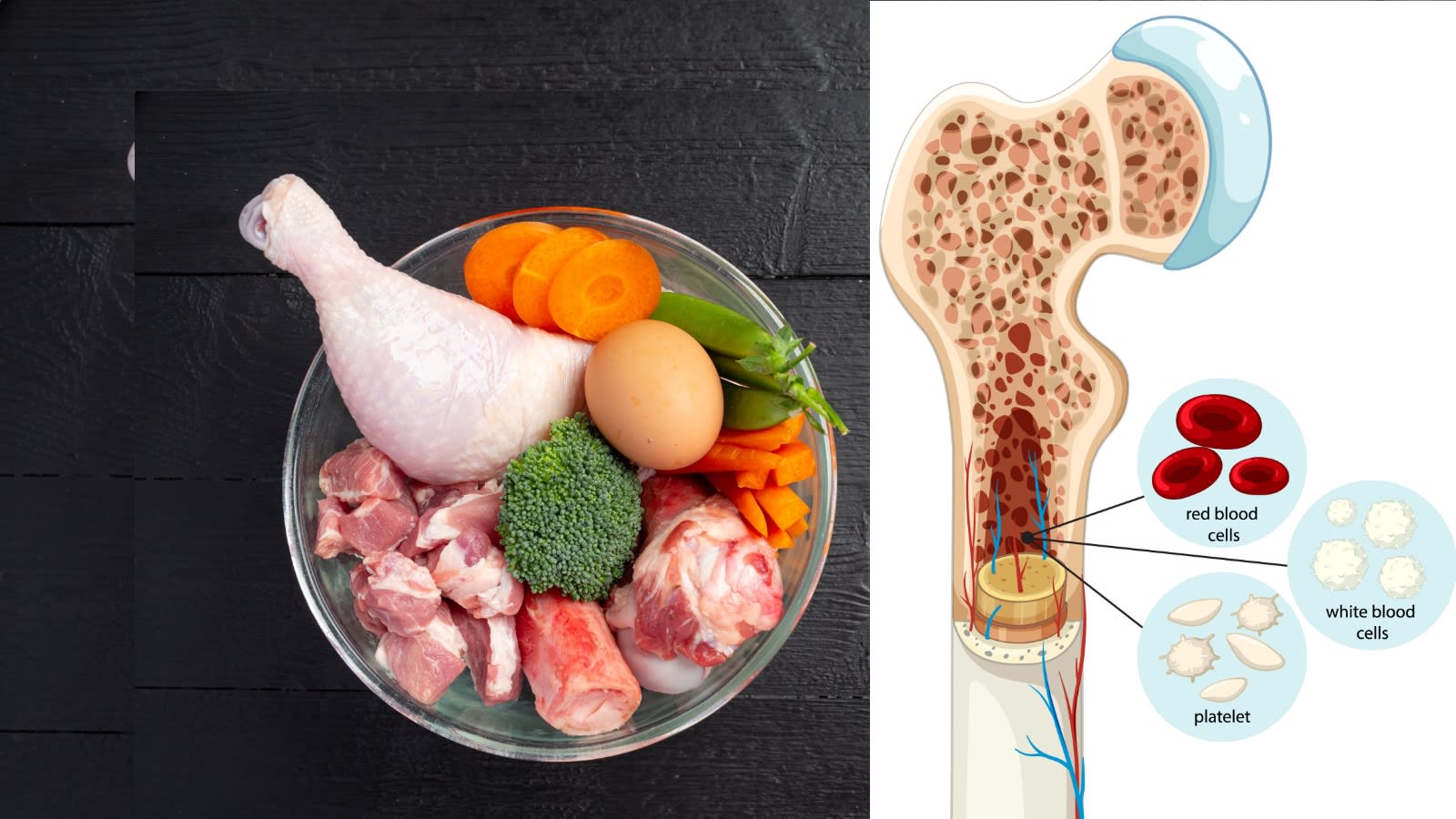
While high protein intake has been linked to calcium loss, medical experts clarify that it is actually essential for bone health. A balanced diet incorporating calcium and vitamin D is the key to mitigating any potential risks.
The Protein-Bone Health Paradox: A Nuanced Perspective
For decades, protein has been synonymous with muscle development and athletic recovery, yet its role in skeletal integrity remains a subject of significant nutritional debate. The prevailing concern among many health-conscious individuals is the theory that high protein consumption may lead to an increase in urinary calcium excretion, thereby potentially weakening the skeletal structure over time. This narrative has created a degree of apprehension regarding protein-heavy diets, leading many to question whether their nutritional choices are inadvertently compromising their long-term bone health.
Dispelling the Urinary Calcium Myth
Contrary to the simplified fear that protein leaches calcium directly from bone tissue, modern clinical perspectives offer a more sophisticated view. Dr. Sarang Deshpande, Consultant Orthopaedics & Joint Replacement at KIMS Hospitals, Thane, clarifies that a temporary rise in urinary calcium does not definitively equate to systemic bone mineral density loss. In many cases, the body's metabolic response to protein intake involves complex hormonal shifts that do not necessarily translate to a net deficit in skeletal calcium, provided the individual’s overall nutritional status is robust.
The Structural Role of Protein in Skeletal Integrity
It is vital to recognize that protein serves as the fundamental building block for the collagen framework that provides bone with its structural elasticity and strength. Without adequate protein, the skeletal matrix cannot maintain its integrity, regardless of calcium levels. Furthermore, protein plays a critical role in preserving muscle mass. By maintaining muscle strength, protein contributes to better balance and mobility, which serves as a primary defense mechanism against falls—the leading cause of fractures in aging populations.
The Importance of Nutritional Synergy
Dr. Deshpande highlights that the potential risks associated with high-protein intake are not inherent to the protein itself, but rather to an imbalance in total nutrient intake. The true danger arises when high-protein consumption occurs in a vacuum, lacking sufficient calcium, vitamin D, and other essential micronutrients. Bone health is not a single-nutrient issue; it is a synergistic process where protein provides the architecture, and calcium and vitamin D provide the reinforcement.
Future Trends in Bone Metabolism Research
As nutritional science evolves, the focus is shifting from single-nutrient analysis to holistic dietary patterns. Future trends suggest that clinicians will increasingly emphasize the 'total dietary package' rather than vilifying individual macronutrients. For the average individual, this means that a high-protein diet remains safe and beneficial for bone health, provided it is anchored by a diverse intake of whole foods that ensure micronutrient sufficiency.
Conclusion: A Balanced Approach
In summary, the relationship between protein and bone health is collaborative rather than adversarial. By ensuring that protein intake is balanced with adequate calcium and vitamin D, individuals can leverage the benefits of protein for muscle strength and collagen synthesis without compromising skeletal health. Moving forward, a well-rounded diet remains the gold standard for maintaining both musculoskeletal strength and long-term skeletal density.