Punjab cop, who targeted NRIs in US, held in Rs 3.8-cr extortion bid linked to AAP worker's murder
Source Entity
IP SINGH
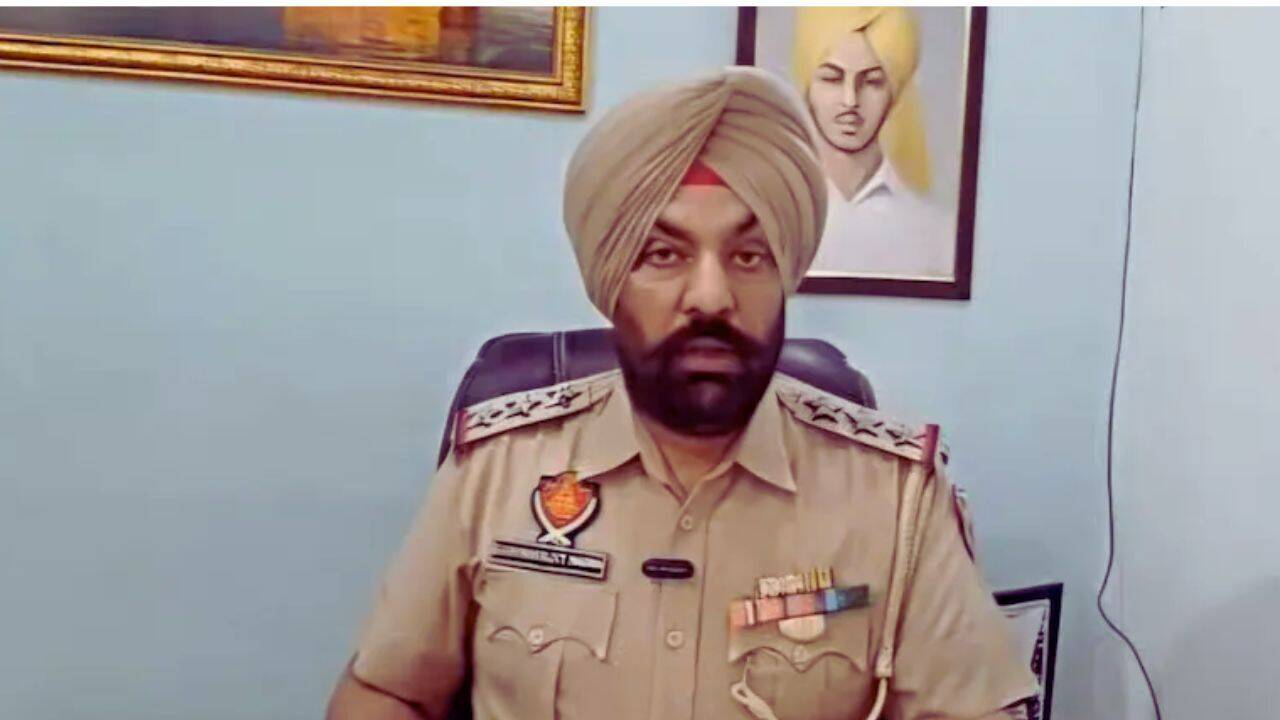
Punjab Police have arrested Inspector Gurinderjit Singh Nagra for his alleged role in a Rs 3.8-crore extortion racket targeting a US-based Indian family. The case involves an extradition request from the US Justice Department and is linked to the murder of an AAP worker.
Investigation into Transnational Extortion: The Arrest of Inspector Gurinderjit Singh Nagra
In a significant crackdown on law enforcement corruption, the Punjab Police have arrested Inspector Gurinderjit Singh Nagra, the former Station House Officer (SHO) of Tanda. Nagra is accused of orchestrating a sophisticated international extortion racket that targeted an Indian-origin family residing in the United States. The scale of the alleged crime is substantial, with reports indicating an extortion bid totaling Rs 3.8 crore, of which Rs 16 lakh was successfully extorted from the victims. This case highlights a disturbing trend where official authority is weaponized to prey upon non-resident Indians (NRIs).
The International Dimension and 'Operation Hard Ball'
The legal implications of this case extend far beyond the borders of Punjab. The United States Justice Department has actively pursued Nagra's extradition to face trial on American soil. According to the US indictment, which is part of a broader initiative known as "Operation Hard Ball," Nagra is charged with conspiracy to commit extortion and the obstruction of foreign commerce. The involvement of the US government underscores the severity of the offense, treating the extortion not merely as a local crime, but as a disruption of international commerce and a violation of federal laws.
Domestic Links and Political Entanglements
Adding a layer of complexity to the investigation is the case's connection to the murder of an Aam Aadmi Party (AAP) worker. The intersection of a high-stakes extortion racket and a political murder suggests a deeper network of criminal activity involving individuals within the state's security apparatus. In a poignant irony, the First Information Report (FIR) against Nagra was registered at the very same police station in Tanda that he once headed, symbolizing a collapse of the internal hierarchy and a necessary step toward accountability.
Institutional Corruption and the Vulnerability of NRIs
This incident brings to light the systemic vulnerability of the NRI community, who often find themselves targets of extortion due to their distance from their home country and the perceived power of local officials. When a high-ranking officer like an SHO is involved in such rackets, it erodes public trust in the police force and damages the reputation of Indian law enforcement on a global stage. The use of official positions to facilitate criminal enterprises indicates a need for more stringent oversight and internal affairs monitoring within the Punjab Police.
Legal Proceedings and Future Outlook
Currently, Nagra has been produced in a Dasuya court, where he was remanded to police custody for three days. The legal battle ahead will likely be twofold: the domestic trial regarding corruption and extortion under the Anti-Corruption Act, and the international legal proceedings regarding the US extradition request. This case serves as a precedent for how India and the US may collaborate to dismantle transnational crime syndicates that leverage official positions for financial gain.
Conclusion
The arrest of Inspector Gurinderjit Singh Nagra is a critical step in dismantling a network that bridged local police power with international crime. By linking the extortion of a US-based family to a domestic political murder, the investigation reveals a dangerous nexus of corruption. Moving forward, the successful prosecution of this case and the potential extradition of Nagra will be pivotal in signaling that law enforcement officers are not above the law, regardless of their rank or the geography of their crimes.