US envoys set for Ukraine talks after meeting Putin in Moscow
Source Entity
BBC News
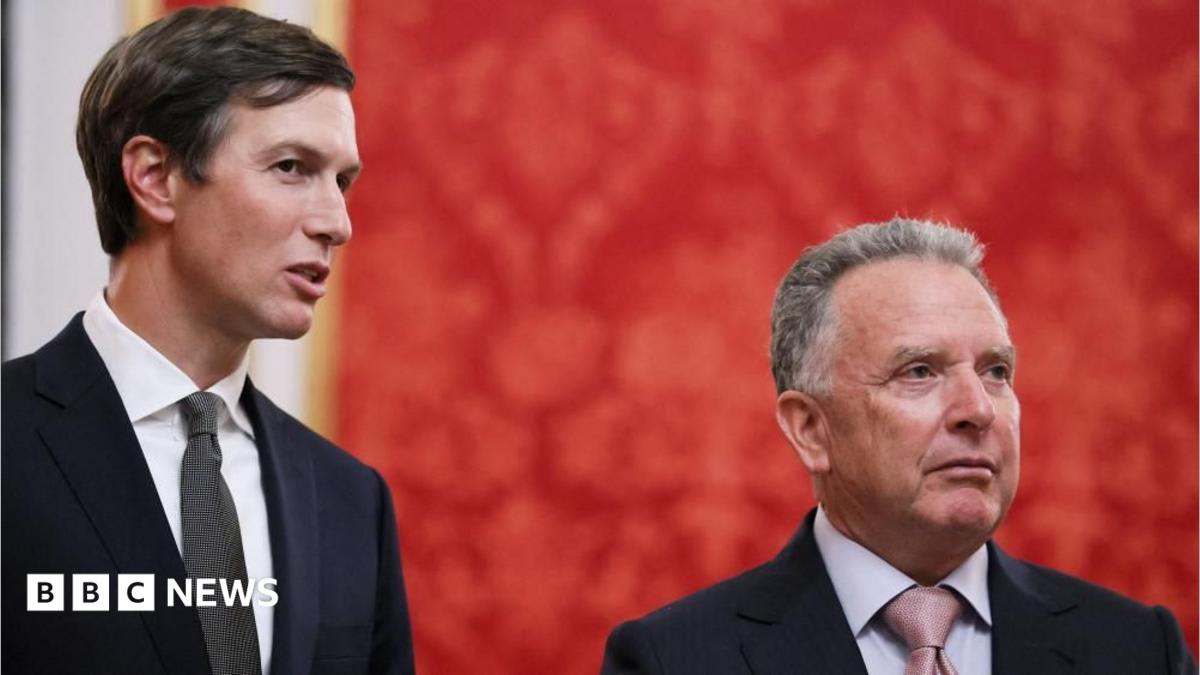
US envoys Steve Witkoff and Jared Kushner have arrived in Moscow to present a new peace proposal aimed at ending the Russia-Ukraine conflict. In response, President Vladimir Putin has ordered a 72-hour halt to strikes on Kyiv to facilitate the high-stakes diplomatic mission.
A Diplomatic Pivot: The 72-Hour Kyiv Ceasefire
In a significant development in the ongoing conflict between Russia and Ukraine, the Kremlin has announced a 72-hour pause in military strikes against Kyiv. This decision coincides with the arrival of high-level United States envoys, Steve Witkoff and Jared Kushner, in Moscow. The move appears to be a calculated diplomatic gesture, setting the stage for what many observers view as a high-stakes attempt by the incoming Trump administration to broker an end to the hostilities.
The Context of Escalation
Prior to this diplomatic opening, both Russia and Ukraine had significantly ramped up their long-range military activities. Reports confirm that Russian forces recently targeted key infrastructure, including airports in Kyiv and Boryspil. The proximity of these strikes to the arrival of the U.S. delegation has sparked intense scrutiny, with analysts debating whether the attacks were a strategic display of force intended to strengthen Moscow's leverage before negotiations began or merely a continuation of previous operational tempo.
The Role of the U.S. Delegation
Steve Witkoff and Jared Kushner, acting as special representatives for President Donald Trump, are reportedly carrying a specific peace proposal. The mission is designed to shift the current military stalemate toward a structured negotiation process. By engaging directly with President Putin in Moscow before traveling to Kyiv to meet with Ukrainian leadership, the envoys are positioning the United States as a central broker in the potential resolution of the conflict.
Strategic Implications of the Pause
President Putin’s order for a three-day strike moratorium on Kyiv serves as a signal of intent for the upcoming discussions. Such pauses are rare in the current theater of operations and are often used as a mechanism to build confidence or provide the necessary security environment for high-level diplomatic transit. This temporary cessation is a critical component of the broader effort to create a window of opportunity for the Trump administration’s proposal to be evaluated without the immediate pressure of ongoing bombardment.
Future Trends and Challenges
Looking ahead, the success of this mission rests on the viability of the proposal carried by Witkoff and Kushner. While the 72-hour pause provides a brief reprieve for Kyiv, the path to a lasting peace remains complex. The international community is closely watching whether these talks will lead to a sustainable ceasefire or if the recent intensification of long-range attacks will resume once the diplomatic window closes. The ability of the U.S. delegation to reconcile the competing security demands of both Moscow and Kyiv will be the defining challenge of this diplomatic initiative.
Conclusion
This diplomatic engagement marks a pivotal moment in the Ukraine conflict. While the 72-hour pause is limited in scope, it represents the first tangible sign of movement toward a negotiated settlement in recent months. The world now awaits the outcome of the discussions in Moscow and the subsequent meetings in Ukraine, which will likely determine the trajectory of the war in the coming months.