Putin warns against excluding Russia from gas market, hints at Arctic deal with US
Source Entity
ARYAN SINGH
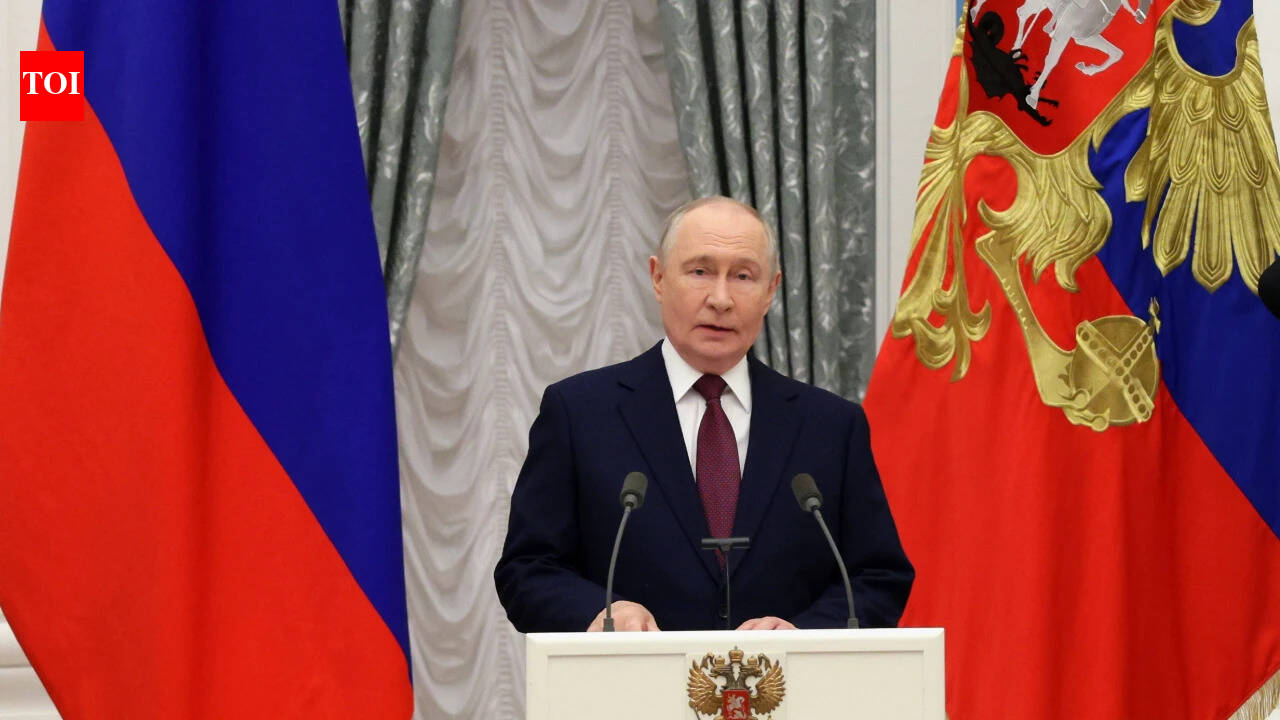
President Vladimir Putin has warned that isolating Russia from the global gas market would have severe consequences while simultaneously proposing potential cooperation with the US in the Arctic. He advocated for infrastructure expansion and urged a reduction in sanctions to stabilize global energy supplies.
Russia's Strategic Pivot in the Global Energy Landscape
Russian President Vladimir Putin’s recent statements at a summit of gas-exporting countries in Moscow mark a significant moment in the ongoing struggle for energy dominance. By warning against the exclusion of Russia from the global gas market, Putin is addressing the direct impact of international sanctions and geopolitical isolation. His message serves as a clear signal that Russia views its role as an energy exporter as a non-negotiable pillar of its national security and economic stability, asserting that any attempt to remove it from the global supply chain would trigger serious, far-reaching consequences for energy security.
The Arctic Cooperation Gambit
Perhaps the most striking element of Putin’s address is the overture toward the United States regarding cooperation in the Arctic gas sector. The Arctic region is widely considered one of the final frontiers for untapped hydrocarbon reserves, and Russia has long sought to solidify its territorial and economic claims there. By suggesting a collaborative approach with U.S. partners, Putin appears to be hedging against total isolation, attempting to leverage the immense capital and technological expertise required for Arctic extraction against the realities of current geopolitical tensions.
Infrastructure and Market Diversification
Central to Russia's strategy is the call for the modernization and expansion of gas export infrastructure. Recognizing that traditional European markets have become increasingly hostile or inaccessible due to political friction, the Kremlin is pivoting toward alternative markets. This requires a massive logistical overhaul, shifting the focus from historical pipeline routes to new export corridors. By emphasizing the need for robust infrastructure, Putin is signaling a long-term commitment to maintaining Russia's relevance as a primary energy supplier, regardless of shifting political alliances.
Challenging the Green Agenda
Putin also used the summit as a platform to critique the global shift toward green energy policies. He argued that an excessive focus on the green agenda risks undermining the reliability of energy supplies, positioning Russia as a champion of 'traditional' energy security. This rhetorical stance is designed to appeal to developing nations and energy-dependent economies that fear the economic volatility associated with a rapid transition to renewable energy, framing Russia’s natural gas exports as the essential, stable bridge for the future.
The Path Toward Sanctions Relief
Underpinning these economic strategies is an explicit demand for the lifting of sanctions and an end to current conflicts. Putin’s rhetoric suggests that Russia’s participation in a globalized, cooperative energy market is contingent upon the removal of these barriers. By tying energy stability to political concessions, he is attempting to reshape the narrative surrounding the conflict, presenting the normalization of Russia’s economic status as a prerequisite for global energy market health.
Future Implications and Trends
Looking forward, the global energy market remains in a state of flux. If Russia successfully secures even limited cooperation in the Arctic, it could alter the dynamics of international energy investment. However, the success of this strategy depends heavily on whether Western partners are willing to engage with Moscow while the broader geopolitical crisis remains unresolved. The coming years will likely see a hardening of energy blocs, with Russia aggressively pursuing new market share in the East and South while continuing to challenge the efficacy of Western-led sanctions.