Congress attacks Modi government over ‘promoting’ monopolies; says it will end crony capitalism
Source Entity
India Latest News: Top National Headlines Today & Breaking News | The Hindu
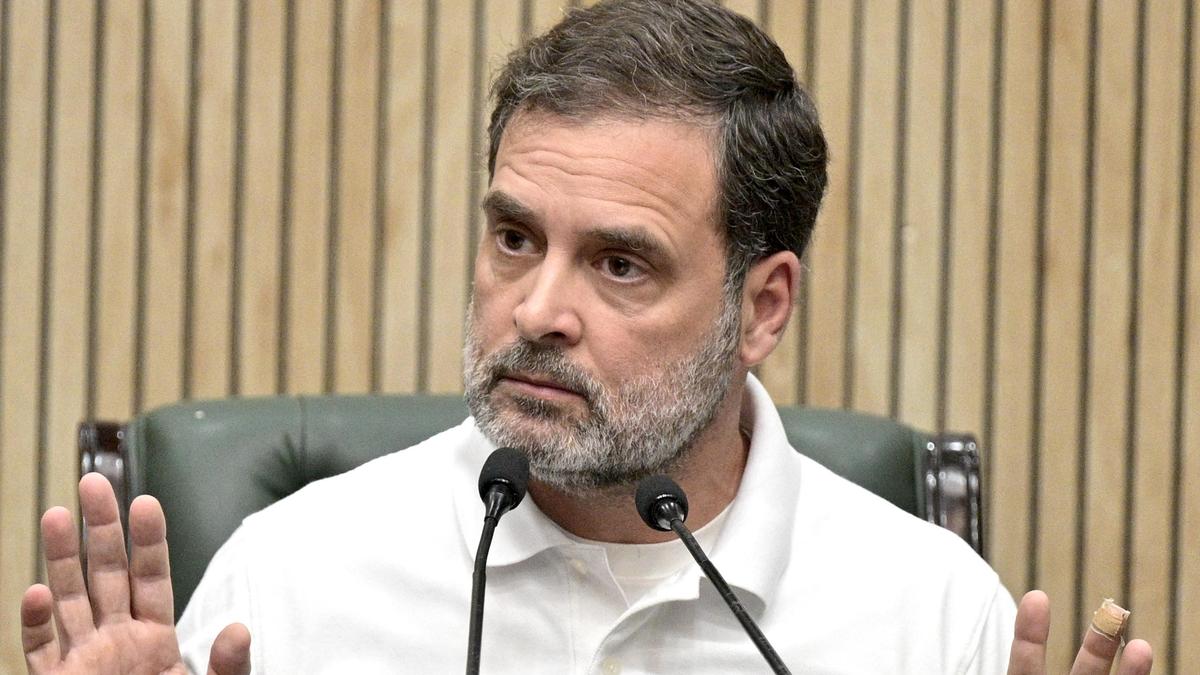
Rahul Gandhi has criticized the Modi government for fostering crony capitalism and monopolies in India. This follows a high-profile social media exchange with Elon Musk regarding the influence of Reliance Industries on the Indian economy.
The Debate Over Market Dominance and Crony Capitalism
On October 9, 2026, the political discourse in India intensified as Congress leader Rahul Gandhi launched a direct attack on the Narendra Modi administration, accusing it of actively promoting monopolies. The core of this contention lies in the perceived lack of a level playing field for domestic and international businesses. By framing the current economic environment as one plagued by crony capitalism, the Opposition is signaling a strategic shift toward emphasizing economic fairness as a central pillar of their political platform.
The Catalyst: An Unprecedented Digital Exchange
The tension was ignited by a surprising public interaction on the platform X between Rahul Gandhi and U.S. billionaire Elon Musk. During this exchange, Musk questioned whether Reliance Industries Chairman Mukesh Ambani was the "real boss" of India. This query, while framed as a casual inquiry, carries significant weight given the ongoing regulatory hurdles faced by Musk’s venture, Starlink, which is currently awaiting security clearances to operate within the Indian market.
Analyzing the "Crony Capitalism" Narrative
Rahul Gandhi’s response to Musk—telling him to "wait till you discover the other guy"—serves as a calculated political jab intended to reinforce the narrative that the Indian government prioritizes the interests of a select few conglomerates over broader market competition. This rhetoric is not merely a critique of a single administration but reflects a long-standing ideological debate within India regarding how much influence large business houses should wield over national policy and regulatory frameworks.
Regulatory Hurdles and Foreign Investment
The delay in Starlink’s security approvals acts as a backdrop for this political sparring. In the context of global tech expansion, India represents a vital market, yet foreign entities often encounter complex bureaucratic layers. By linking the slow pace of Starlink’s approval to the influence of established domestic players, the Opposition is effectively highlighting the friction between protecting domestic industries and encouraging foreign direct investment (FDI) that could threaten existing market shares.
Broader Implications for the Indian Economy
This episode underscores the precarious balance between fostering national champions and maintaining a competitive, innovation-driven economy. If the narrative of "crony capitalism" gains further traction, it could influence future policy debates regarding antitrust laws, spectrum allocation, and the transparency of government-business relations. The Congress party’s commitment to "breaking the chain" suggests that economic equity will remain a focal point of their opposition strategy moving forward.
Conclusion: The Road Ahead
As the BJP continues to face scrutiny from the Opposition, the debate over market fairness will likely persist. Whether this rhetoric translates into tangible policy shifts or remains a campaign tool depends on the evolving relationship between the Indian government and global tech giants like Musk’s Starlink. Ultimately, this incident serves as a bellwether for how India’s political landscape will grapple with the intersection of corporate power, national security, and the necessity of an open, competitive marketplace.
Verification Required?