BJP or Naveen Patnaik: On whose side are Odisha’s students, Gen Z?
Source Entity
Sujit Bisoyi
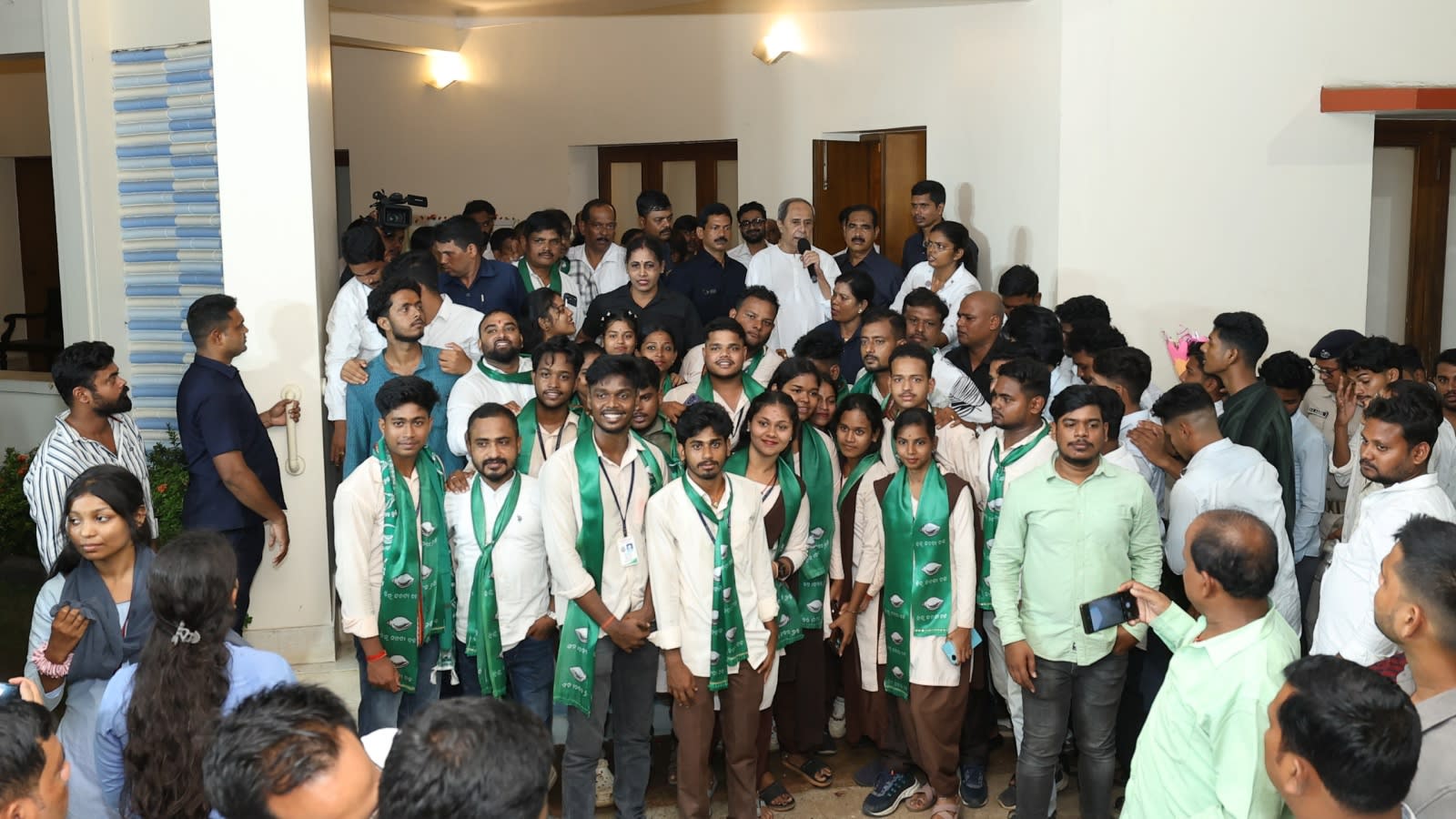
The ABVP's strong showing in the Odisha student union elections has sparked a national political debate. While the BJP views the results as a mandate for its 'Nation First' ideology, the mixed outcomes across the state suggest a highly competitive campus landscape.
The Resurgence of Campus Politics in Odisha
The recent student union elections in Odisha, held on October 15, have transcended local academic discourse to become a focal point of national political rhetoric. The Akhil Bharatiya Vidyarthi Parishad (ABVP), the student wing affiliated with the Rashtriya Swayamsevak Sangh (RSS), achieved significant success by securing victories in eight out of 13 state universities and winning approximately 141 president posts across 337 government and aided colleges. This performance has been framed by senior BJP leadership as a barometer for the ideological leanings of the youth.
Amit Shah’s Ideological Narrative
Union Home Minister Amit Shah has interpreted these results as a "stern response to anti-national forces." By linking the success in Odisha to previous electoral wins in Panjab University and Delhi University, the BJP leadership is attempting to construct a cohesive narrative that the Indian student demographic is increasingly aligning with a 'Nation First' ideology. This framing serves to solidify the party's influence among Gen Z voters, positioning the ABVP as the primary vehicle for nationalist sentiment on campuses.
A Complex Electoral Landscape
However, the data reveals a more nuanced reality than a singular political sweep. While the ABVP secured a notable majority of posts, the Biju Chhatra Janata Dal (BCJD)—the student wing of the Biju Janata Dal (BJD)—remains a formidable force, winning nearly 120 president posts and maintaining a stronghold in institutions like Rama Devi Women’s University. The fact that the BCJD swept major institutions while the ABVP dominated others indicates that Odisha’s campuses remain deeply polarized between regional identity politics and national-level ideological movements.
Competitive Stakes and Political Polarization
The involvement of major political parties in student union elections highlights the growing strategic importance of campus politics. With the NSUI securing around 30 posts and independent candidates claiming the remainder, the electoral map shows that the contest is not merely a binary choice between the BJP and the BJD. Instead, these polls have become a high-stakes arena where political organizations test their organizational strength and capacity to mobilize the youth vote ahead of larger state and national electoral cycles.
Future Implications for Odisha’s Youth
As these student unions begin their terms, the impact of these results will likely manifest in campus policies and public discourse. The heightened visibility of these elections suggests that student unions are no longer just academic representative bodies but are effectively acting as recruitment and training grounds for future political leaders. The competition between the ABVP and the BCJD is expected to intensify, with both parties likely to increase their focus on student-centric issues to capture the attention of a demographic that is increasingly central to the state's political future.
Conclusion: Assessing the Mandate
Ultimately, while the BJP claims a resounding ideological victory, the electoral results offer no singular mandate for any one organization. The diversity of outcomes across different universities underscores a vibrant, albeit fragmented, political landscape in Odisha. Whether this trend signifies a permanent shift toward national-level ideological politics or a temporary fluctuation will depend on the ability of these student wings to address the specific grievances and aspirations of the student body in the coming years.