'Asked to remove Tiranga pics': What happened at Priyanka Gandhi son's exhibition
Source Entity
AYUSH PANDEY
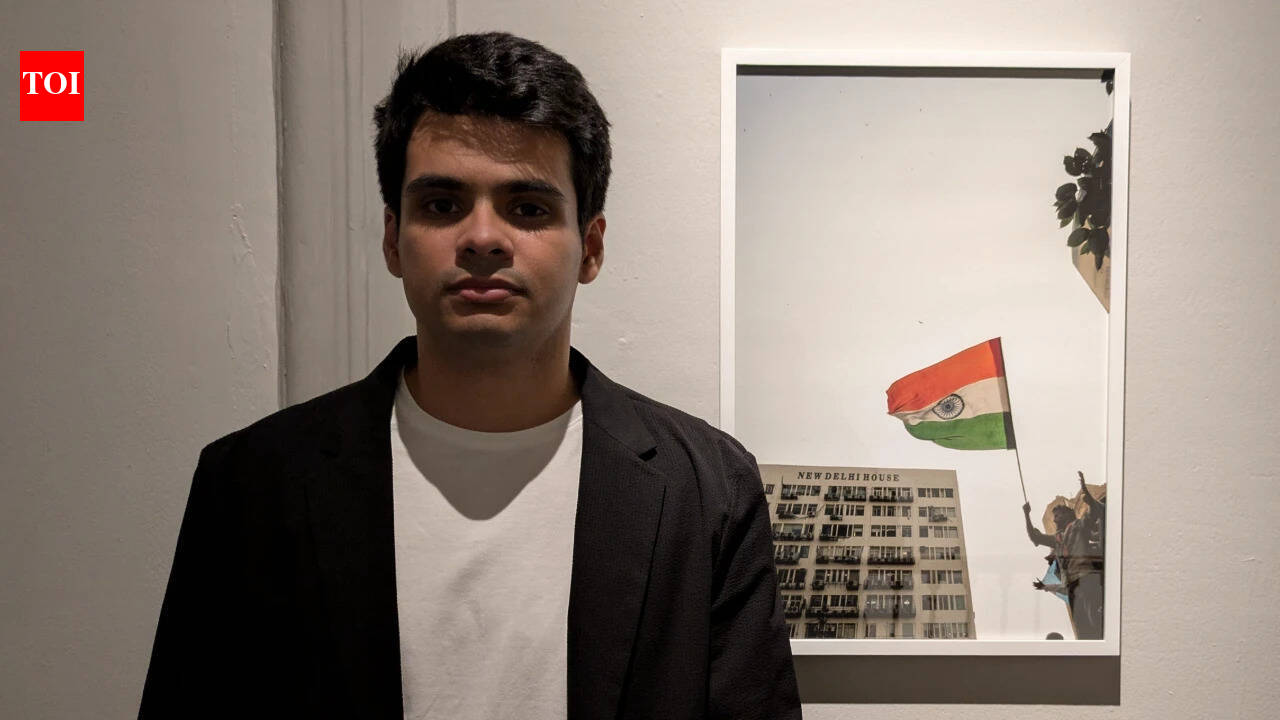
Raihan Rajiv Vadra faced censorship at Bikaner House after authorities ordered the removal of over 70 photographs from his exhibition. The artist condemned the restriction, while his mother, Priyanka Gandhi Vadra, publicly supported his commitment to truth.
Censorship at Bikaner House: The Raihan Rajiv Vadra Exhibition Controversy
The Incident at the Capital
The recent exhibition titled No Idea Is Final by visual artist and curator Raihan Rajiv Vadra, held at the historic Bikaner House in New Delhi, became the epicenter of a significant controversy regarding artistic freedom. Just hours before the scheduled opening, authorities intervened, mandating the removal or replacement of 74 out of 105 total photographs. The censored images were reportedly centered on student and youth protests in the capital, marking a direct clash between administrative control over public spaces and the artist's thematic expression.
The Scope of Removal
The scale of the interference was substantial, leaving barely 35 exhibits remaining by the evening. The administrative intervention extended beyond the initial removal; authorities further objected to the presence of empty frames that had been left in the place of the censored works. This escalation suggests a desire not just to remove specific content, but to sanitize the exhibition space entirely, stripping it of any visual reference to the protests that the artist deemed essential to his narrative.
Artistic Freedom vs. Administrative Oversight
Raihan Rajiv Vadra, son of Congress leader Priyanka Gandhi Vadra and businessman Robert Vadra, framed the incident as a matter of civic and artistic duty. By asserting that "any restrictions on art are wrong and futile," Vadra highlighted the inherent tension between state-run cultural venues and the role of art as a medium for social commentary. His stance suggests that the suppression of imagery does not necessarily extinguish the message, but rather draws greater public attention to the underlying themes the authorities sought to obscure.
Political and Public Repercussions
The incident has naturally drawn political attention given the familial background of the artist. Priyanka Gandhi Vadra publicly offered an emotional message of support to her son, encouraging him to "stand for what's true." This endorsement elevates the controversy from a localized dispute over exhibition content into a broader debate about political expression and the space afforded to public figures' families when they engage in socio-political commentary through art.
Broader Implications for Cultural Spaces
Bikaner House, a prestigious venue under official administration, serves as a site for high-profile cultural exhibitions in India. The decision to suppress content related to student protests raises critical questions about the autonomy of curators and artists within state-affiliated galleries. As India continues to navigate the complexities of public protest and political discourse, the incident serves as a bellwether for how cultural institutions balance their role as neutral hosts against the pressure to curate content that avoids political friction.
Future Trends in Artistic Expression
Looking forward, the incident is likely to spark a wider conversation regarding the standards and protocols governing public art exhibitions in India. As artists increasingly use their platforms to document movements and societal shifts, the friction between administrative mandates and creative freedom is expected to persist. This event may encourage artists to seek more independent or digital venues to ensure their work remains unencumbered by the institutional sensitivities that currently define state-run spaces.