2 children from Rajasthan die of Chandipura virus: What is the infection and who is susceptible to it?
Source Entity
The Indian Express
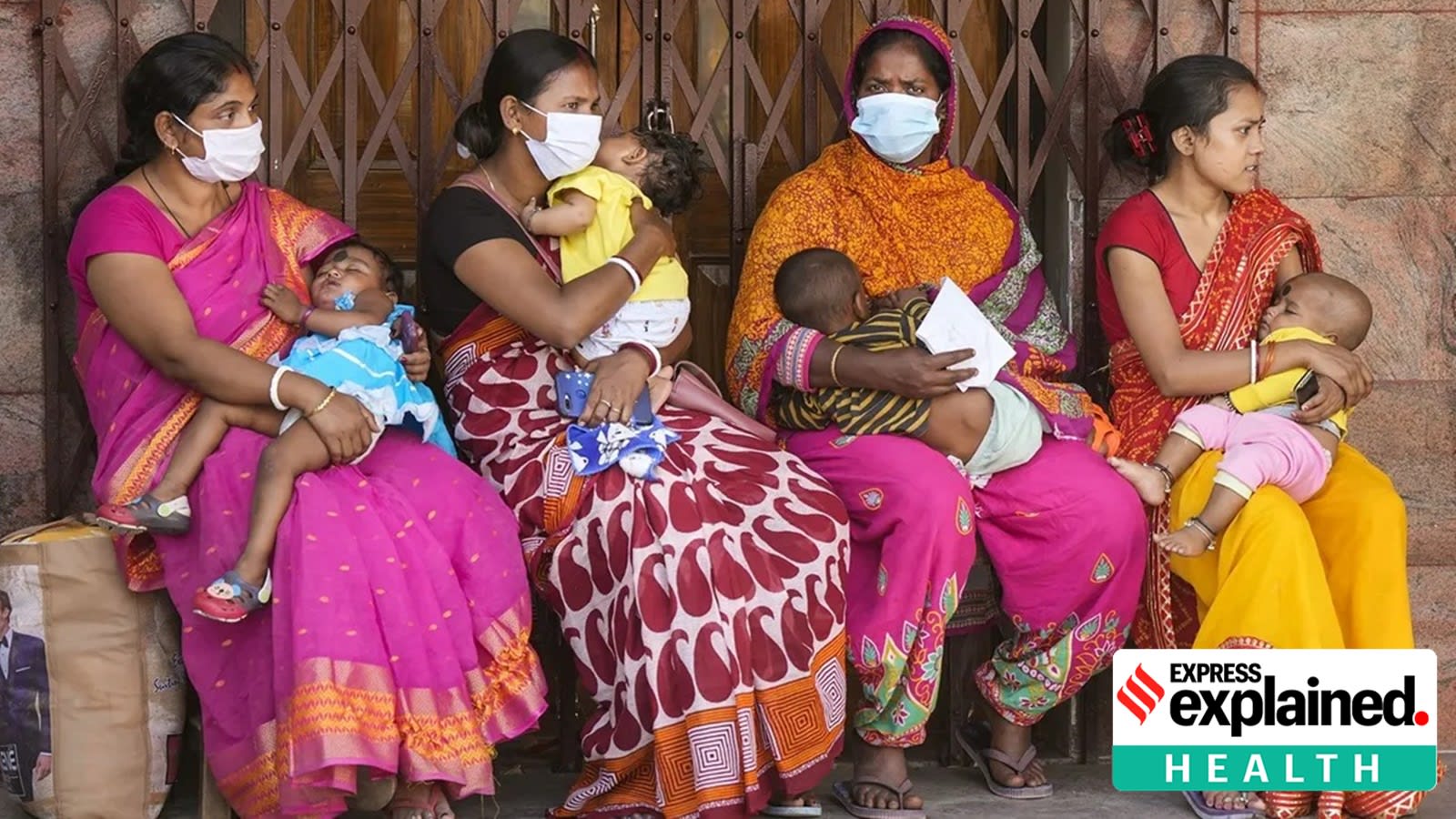
Two children from Rajasthan have died from the Chandipura virus while receiving treatment in Gujarat. Health authorities are now intensifying surveillance and vector-control measures in border districts to combat the outbreak.
Understanding the Chandipura Virus Outbreak
The recent deaths of two young girls from Rajasthan, who were undergoing treatment in Gujarat, have brought renewed attention to the Chandipura virus (CHPV). As of July 24, health authorities have confirmed a total of nine deaths linked to this outbreak, with seven occurring in Gujarat and two involving children from the Rajasthan districts of Dungarpur and Sirohi. This tragic development has prompted immediate public health interventions in the affected bordering regions.
Pathophysiology and Transmission
Belonging to the Rhabdoviridae family and the Vesiculovirus genus, the Chandipura virus is an emerging vector-borne pathogen. It is primarily transmitted through the bites of infected sandflies and other small insects. Once transmitted, the virus can lead to rapid onset of clinical symptoms, including fever and flu-like manifestations, which can escalate into acute encephalitis—a severe condition involving the inflammation of the brain.
Targeted Demographic and Susceptibility
Clinical data consistently shows that susceptibility to the Chandipura virus is most pronounced in children under the age of 15. This specific vulnerability makes the current outbreak a significant concern for pediatric health services in western India. The rapid progression of the illness necessitates early detection and specialized medical intervention, which is why the location of these deaths in hospital settings highlights the critical nature of timely clinical management.
Regional Surveillance and Public Health Response
The Rajasthan Health Department has responded to the confirmation of these cases by intensifying surveillance and implementing rigorous vector-control measures. Focus areas include Dungarpur, Sirohi, and Udaipur, where the proximity to Gujarat—a region that frequently reports CHPV cases during the monsoon season—increases the risk of environmental exposure. These efforts are designed to break the transmission cycle by controlling the insect vectors responsible for spreading the pathogen.
Environmental Factors and Future Trends
The seasonal uptick of CHPV cases during the monsoon period suggests that environmental conditions, such as humidity and rainfall, play a pivotal role in the proliferation of sandflies. As climate patterns evolve, the geographic reach of such vector-borne diseases may shift, requiring sustained vigilance. Future public health strategies will likely need to integrate more robust community-level awareness programs and habitat management to mitigate the impact of the virus on pediatric populations in endemic areas.
Conclusion
The ongoing outbreak of the Chandipura virus serves as a stark reminder of the challenges posed by vector-borne diseases in changing environments. By focusing on rapid containment and enhanced surveillance in high-risk districts, health officials aim to curb the spread of the virus. Continued monitoring and public cooperation remain essential in protecting children, who remain the primary demographic at risk during these outbreaks.