Why joint pain may worsen before it rains: ‘Barometric pressure can shift…’
Source Entity
The Indian Express
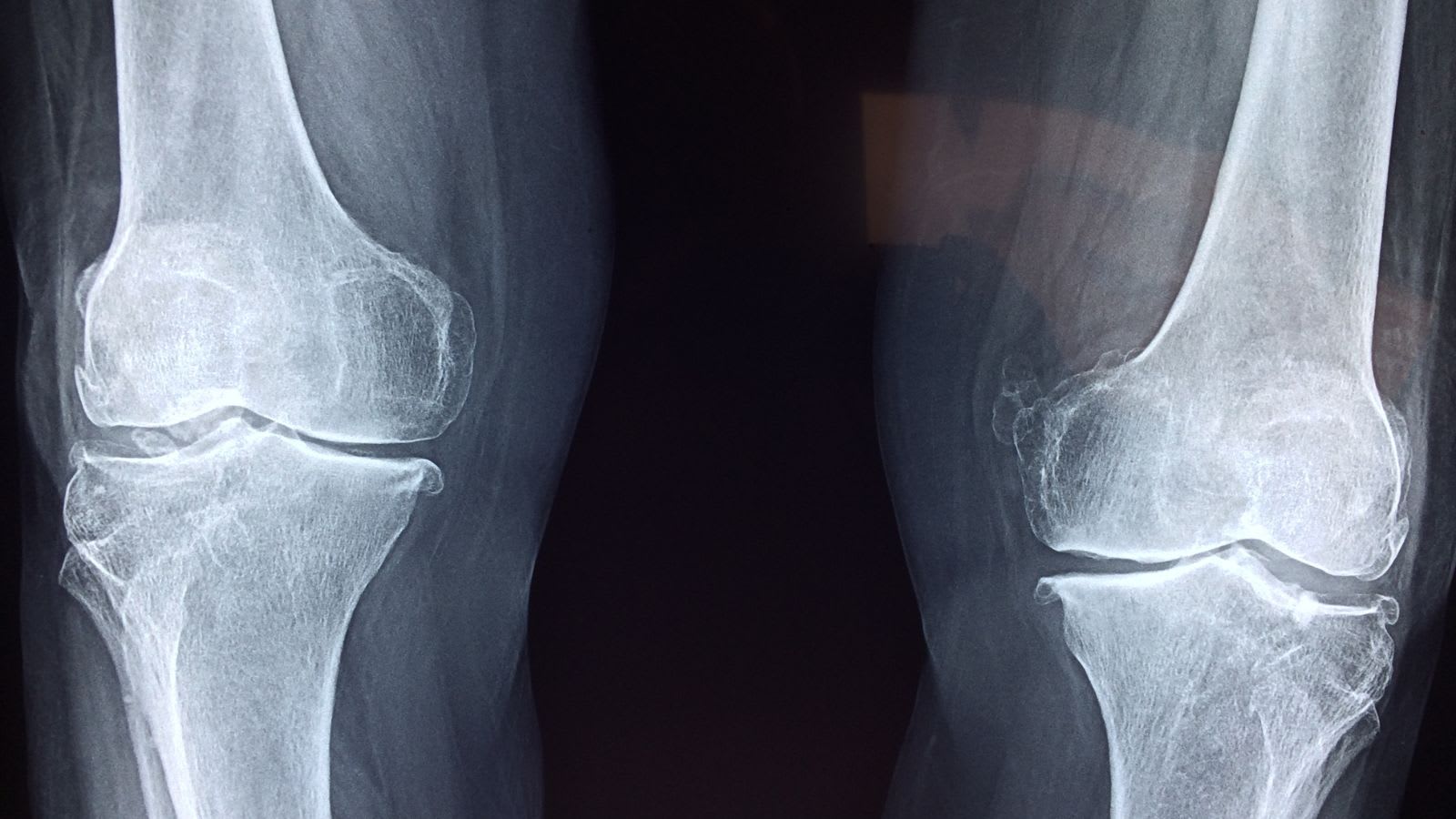
Medical experts suggest that shifts in barometric pressure before rain can cause pain flare-ups in individuals with arthritis or past injuries. These environmental changes affect sensitive nerves and tissues, making weather-related pain a physiological reality for many patients.
The Science Behind Weather-Related Joint Pain
For generations, anecdotal reports from individuals suffering from arthritis or chronic injury have suggested a link between impending rainfall and increased physical pain. Recent medical commentary from experts like Dr. Kunal Sood has helped demystify this phenomenon, confirming that the body’s response to environmental shifts is grounded in physiological reality rather than mere superstition. When weather patterns transition, the atmospheric environment around the human body undergoes measurable changes that can exacerbate existing vulnerabilities.
The Impact of Barometric Pressure
The core mechanism behind this phenomenon is the fluctuation of barometric pressure, the weight of the air surrounding us. Before a storm or rainfall, barometric pressure typically drops. This decrease in external pressure can cause tissues, tendons, and muscles in the body—particularly those that are already inflamed or damaged—to expand slightly. In a healthy joint, this expansion is negligible; however, in a joint compromised by arthritis or past surgical trauma, this subtle expansion can irritate surrounding nerves and sensitive tissues, leading to the sensation of a "flare-up."
Nervous System Sensitivity
Beyond simple mechanical expansion, the sensitivity of the nervous system plays a critical role in how we perceive these changes. Following an injury or an inflammatory condition, the nervous system often remains in a state of heightened reactivity. Dr. Sood notes that this increased sensitivity means the body is less capable of buffering minor environmental shifts. Consequently, the affected area becomes a barometer in its own right, signaling distress long before the actual precipitation begins.
The Role of Temperature and Environment
While barometric pressure is a primary driver, temperature also plays a significant, compounding role. Cold weather, which often accompanies low-pressure systems, can reduce local blood circulation to the extremities and joints. When tissues are cold, they become stiffer, making movement more difficult and increasing the likelihood of discomfort. The combination of falling pressure and dropping temperatures creates a "double-hit" effect that can make chronic pain conditions feel significantly more acute during transitional weather periods.
Clinical Implications and Future Trends
Understanding these mechanisms is vital for pain management strategies. By recognizing that weather-related pain is a physiological response to pressure and temperature, patients can better manage their expectations and treatment plans. Future trends in chronic pain management may increasingly focus on personalized environmental triggers, allowing patients to adjust their activity levels or therapeutic interventions, such as heat therapy or anti-inflammatory management, in anticipation of weather shifts. This knowledge empowers patients to reclaim a sense of control over their chronic conditions.