The monstrous crimes of Ratko Mladic, the 'Butcher of Bosnia'
Source Entity
BBC News
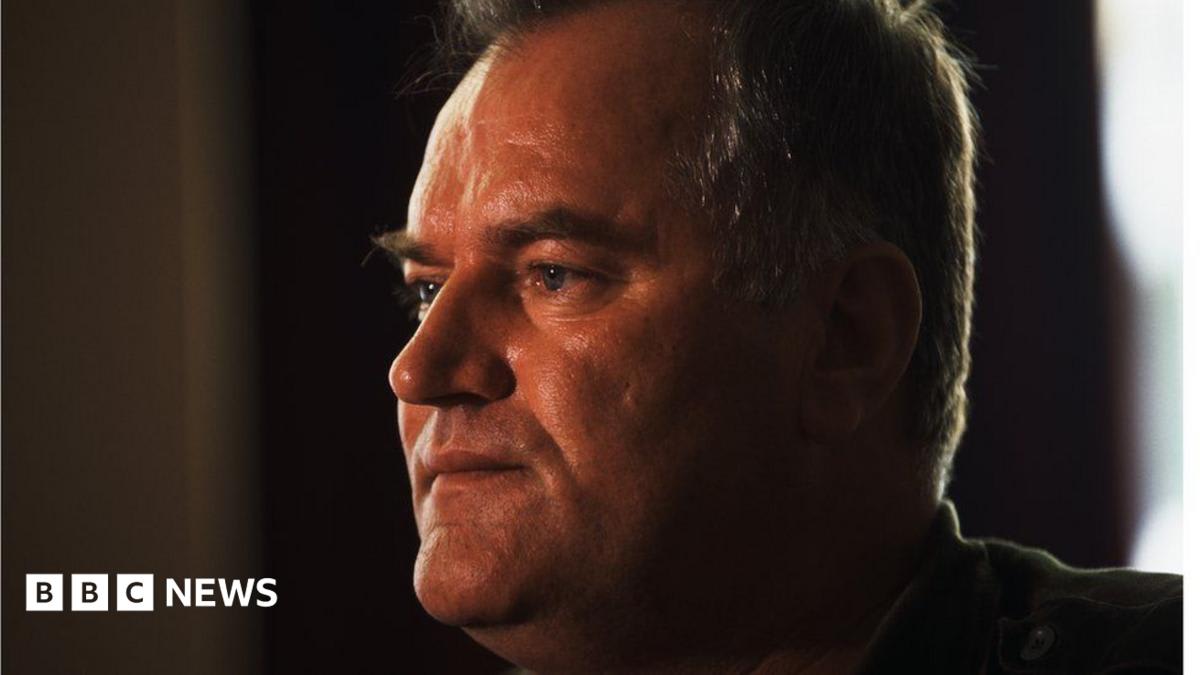
Ratko Mladić, the former Bosnian Serb commander known as the 'Butcher of Bosnia', has died in a UN prison in The Hague at age 84. Convicted of genocide and crimes against humanity, his death marks the end of a long judicial saga following the 1990s Yugoslav wars.
The Legacy of the 'Butcher of Bosnia'
Ratko Mladić, the Bosnian Serb military commander whose name became synonymous with the most horrific atrocities on European soil since World War II, has died at the age of 84. His passing in a United Nations prison hospital in The Hague concludes a life defined by his role as the architect of a brutal ethnic cleansing campaign during the disintegration of Yugoslavia in the 1990s.
A Campaign of Systematic Terror
As the commander of the Bosnian Serb army, Mladić pursued a vision of a 'Greater Serbia' with chilling, single-minded determination. His strategy relied on the systematic massacre of thousands of men, women, and children. By framing his actions as a preemptive defense against perceived existential threats from Muslim neighbors, he radicalized his followers, justifying his path of studied brutality as a fulfillment of historical destiny.
Decades of Evasion and Justice
Following the cessation of hostilities in 1995, Mladić evaded international capture for 16 years, living as a fugitive until his eventual arrest in rural Serbia in 2011. His trial at the International Criminal Tribunal for the former Yugoslavia (ICTY) in The Hague was a landmark moment for international justice. In 2017, he was sentenced to life imprisonment for genocide, war crimes, and crimes against humanity, a verdict that was subsequently upheld on appeal in 2021.
The Final Days in The Hague
In his final years, Mladić’s health deteriorated significantly. Despite his legal team's efforts to secure his release on humanitarian grounds, the UN court rejected these petitions, acknowledging his 'dire' condition but maintaining the necessity of his incarceration. He spent his final days receiving palliative care within the UN prison facility, marking a quiet end to a life marked by immense violence.
Broader Implications for International Law
The case of Ratko Mladić serves as a cornerstone for modern international criminal law. His conviction reinforces the principle that military leaders cannot hide behind the guise of nationalism or wartime necessity to escape accountability for genocide. His death closes a chapter on the Balkan conflicts, yet the scars of his 'ethnic cleansing' campaign remain a permanent fixture in the collective memory of the region.
Conclusion: A Historical Reckoning
Ultimately, the life and death of Mladić represent the failure of unchecked fanaticism and the slow, arduous process of global justice. While his death brings the legal proceedings to a permanent close, the historical record regarding his role in the bloodiest atrocities of the late 20th century remains firmly etched in the annals of international jurisprudence, serving as a solemn reminder of the cost of nationalist extremism.