Beating record by 100 days, new 371-day continuous cruise sets sail across 62 countries
Source Entity
The Indian Express
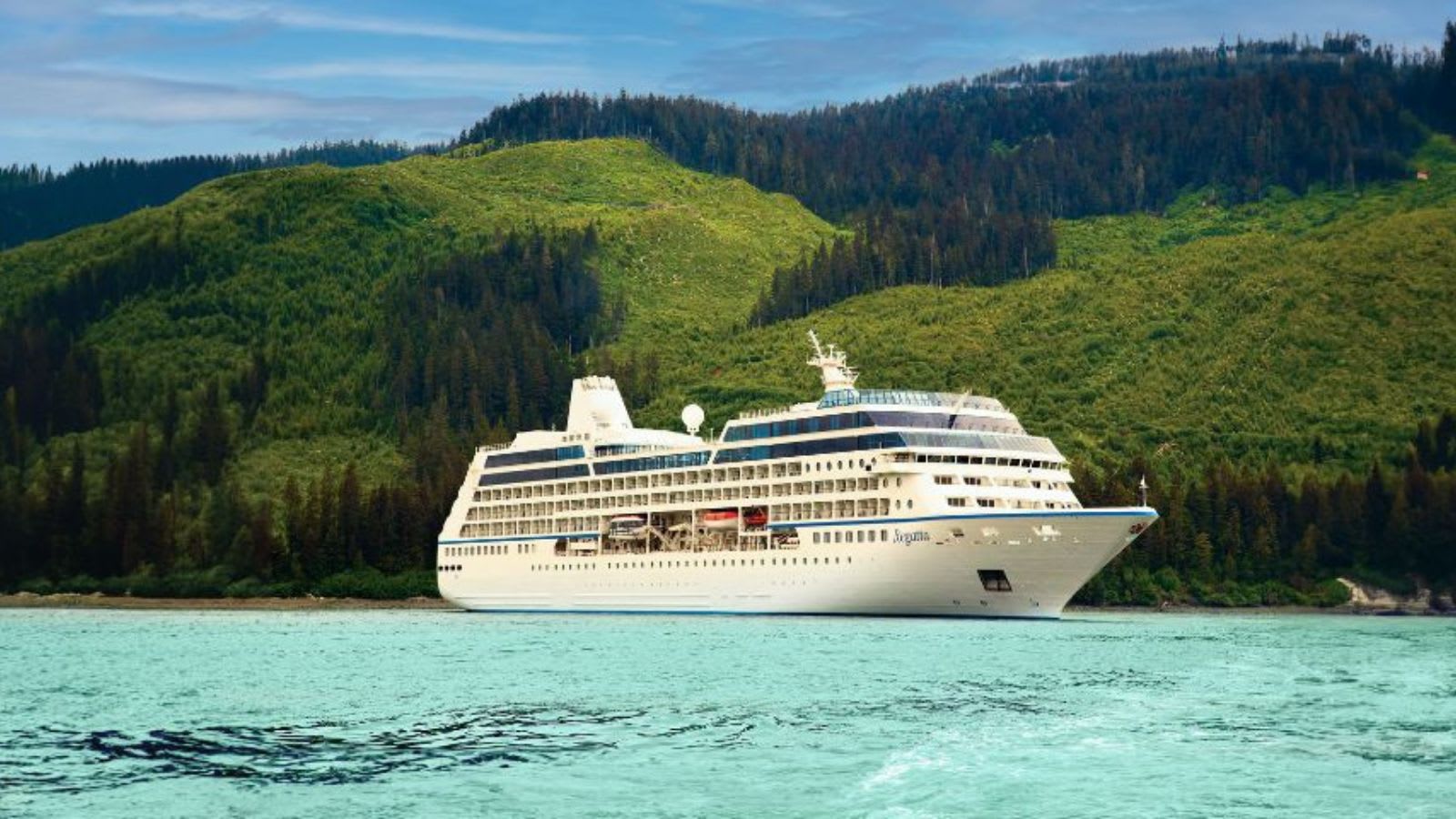
The cruise ship 'Regatta' has embarked on an unprecedented 371-day voyage, visiting 62 countries and 220 ports. This journey marks a significant shift from the fast-paced travel popularized by fiction to the modern trend of slow, immersive global exploration.
A New Era of Global Exploration: The 371-Day Odyssey
In a striking departure from the frantic, time-constrained pace of travel popularized by literature, the cruise ship Regatta has embarked on a historic journey. Departing from Rome on September 1, the vessel is carrying approximately 670 passengers on a voyage spanning 371 days. This mission effectively shatters previous records for continuous global cruises by over 100 days, signaling a profound evolution in how modern travelers engage with the world.
Contrasting Fiction with Modern Reality
For over 150 years, the cultural benchmark for global travel has been Jules Verne’s 1872 classic, Around the World in 80 Days. The story of Phileas Fogg—a man defined by his desperate race against the clock, switching trains and steamships with relentless urgency—has long captured the imagination of generations from Boomers to Gen Z. While Fogg’s journey was a race against time, the Regatta represents the antithesis: a deliberate, unhurried exploration that prioritizes duration and depth over speed.
The Logistics of a Year-Long Voyage
The scale of the Regatta’s itinerary is immense, encompassing 220 ports across 62 countries. Unlike the logistical nightmares inherent in Fogg’s fictional journey, which required constant transit changes and high-stress planning, this cruise offers a seamless, single-vessel experience. By eliminating the need for constant transfers, the voyage allows passengers to experience a diverse array of global cultures without the fatigue associated with traditional multi-modal travel.
The Rise of 'Slow Travel'
This 371-day expedition reflects a growing consumer trend toward 'slow travel.' Modern travelers are increasingly seeking immersive experiences that allow for deep cultural exposure rather than the 'check-the-box' tourism that characterized the late 20th century. By dedicating over a year to circumnavigating the globe, the Regatta provides a unique platform for passengers to witness the subtle shifts in climate, geography, and society as they move through 62 distinct nations.
Broader Implications and Future Trends
The success of such a lengthy cruise suggests that the market for long-term, high-end travel is expanding. It indicates that demographics are willing to invest both time and significant capital into singular, life-defining experiences. As global travel continues to recover and evolve, we can expect to see more cruise operators shifting away from short-haul, high-turnover trips toward these 'epic' voyages that redefine what it means to travel the world.
Conclusion
Ultimately, the Regatta is more than just a vessel; it is a statement on the changing nature of human exploration. By choosing to spend 371 days at sea, these travelers are choosing to reject the artificial pressures of the clock in favor of a profound, year-long connection with the planet. It is a modern-day triumph over the Victorian-era obsession with speed, proving that the journey itself is far more valuable than the finish line.