Putin steals USA's Arab military allies as Iran humiliates Trump?
Source Entity
Latest News: Todays Latest News Headlines from India & World | Hindustan Times | Hindustan Times
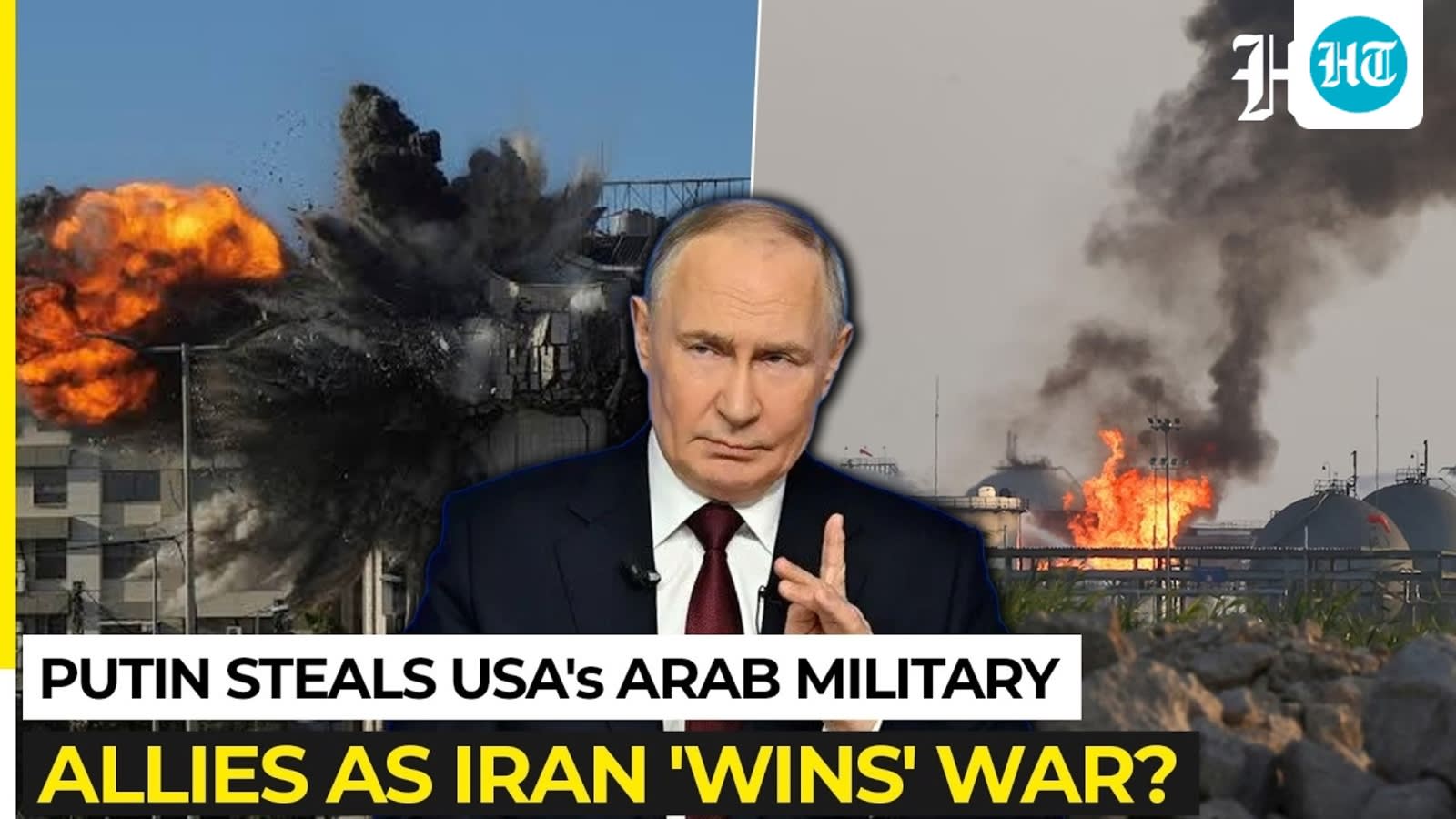
Russia is deepening diplomatic ties with Bahrain and Kuwait through visa-free travel negotiations. This strategic move potentially aligns all six Gulf states with Moscow, challenging long-standing U.S. influence in the region.
Russia’s Strategic Expansion in the Gulf
Russian President Vladimir Putin is actively recalibrating Moscow’s diplomatic footprint in the Middle East by initiating visa-free travel talks with Bahrain and Kuwait. As confirmed by Russian Deputy Foreign Minister Georgy Borisenko, these negotiations aim to eliminate entry visa requirements, effectively streamlining movement between Russia and these two critical Gulf nations. This development is not merely bureaucratic; it represents a significant shift in regional alignment, particularly given that both Bahrain and Kuwait host essential U.S. military infrastructure.
The Geopolitical Significance of Bahrain and Kuwait
The strategic importance of these two nations to the United States cannot be overstated. Bahrain serves as the vital home to the U.S. Navy’s Fifth Fleet and the Naval Forces Central Command, while Kuwait provides the foundation for multiple U.S. military bases. By fostering closer diplomatic and personal ties through visa liberalization, Russia is subtly signaling its intent to engage more deeply with nations that form the bedrock of American security architecture in the Gulf. This move seeks to capitalize on a regional environment where traditional alliances are being tested by shifting geopolitical winds.
Contextualizing Regional Tensions
These discussions occur against a backdrop of heightened regional instability, characterized by reports of Iranian-linked attacks affecting Gulf countries that host American forces. As the security environment grows more complex, Gulf states appear to be diversifying their diplomatic portfolios. By engaging with Moscow, these nations may be seeking to hedge against potential security gaps or demonstrate a desire for "strategic autonomy," ensuring they maintain open channels with multiple global powers rather than relying solely on Washington.
The Broader Russian Gulf Strategy
Russia’s current initiative is the culmination of a broader, long-term diplomatic campaign. Moscow has already secured visa-free travel arrangements with Saudi Arabia, Oman, Qatar, and the United Arab Emirates. The successful finalization of deals with Bahrain and Kuwait would complete a "full sweep," extending Russia’s visa-free framework across all six Gulf Cooperation Council states. This creates a cohesive diplomatic bloc that facilitates easier travel, trade, and cultural exchange, effectively embedding Russia into the fabric of Gulf society.
Future Trends and Implications
Looking ahead, this trend suggests that the Gulf is moving toward a multipolar diplomatic reality. While the U.S. maintains its heavy military presence, the diplomatic, economic, and social influence of Russia is growing. Future trends will likely see increased high-level visits and bilateral cooperation between Moscow and Gulf capitals. If this trajectory continues, it will force a re-evaluation of how the U.S. manages its "military-first" relationships in the Middle East, as the regional appetite for a more balanced diplomatic approach between East and West continues to sharpen.
Verification Required?