Kaliningrad jet crash: Training gone wrong… or Russia testing readiness for a NATO confrontation?
Source Entity
Latest News: Todays Latest News Headlines from India & World | Hindustan Times | Hindustan Times
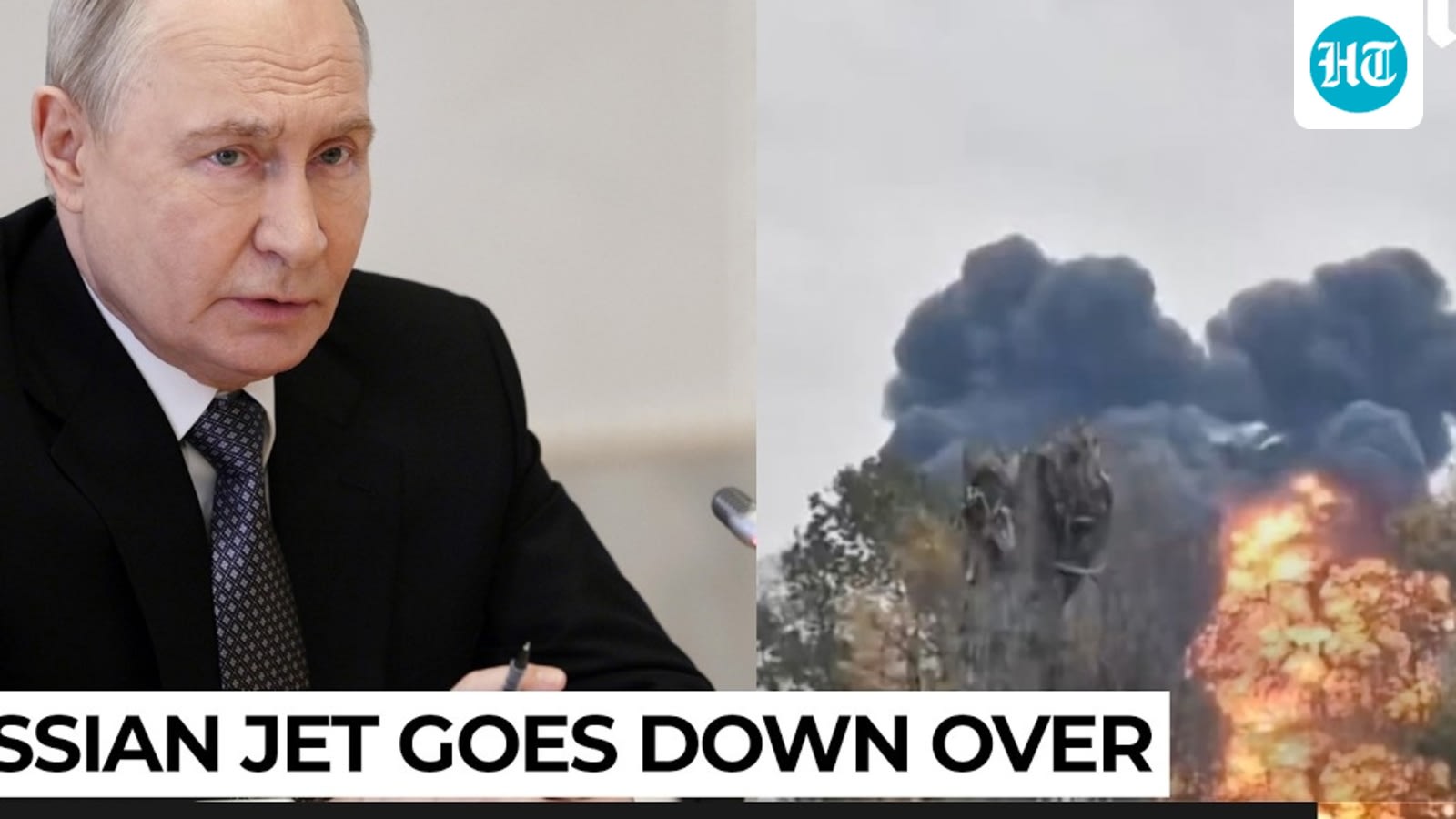
A Russian Su-30 fighter jet crashed during a training flight in the Kaliningrad region. Both pilots successfully ejected, and no casualties were reported as officials investigate the cause.
Russian Su-30 Fighter Jet Crash in Kaliningrad: An Overview
A Russian Su-30 fighter jet crashed during a training flight in the Kaliningrad region on Wednesday. While the precise cause of the incident remains under investigation, the Russian defense ministry, through the Interfax news agency, confirmed that both pilots were able to eject safely. This successful ejection prevented any loss of life, marking a fortunate outcome in what could have been a catastrophic military aviation incident.
The Strategic Importance of Kaliningrad
The location of the crash, the Kaliningrad region, is of significant geopolitical importance. As a Russian exclave situated between NATO members Poland and Lithuania, it serves as a critical military outpost. The presence of advanced hardware like the Su-30 in this region is part of Russia’s broader strategy to maintain a credible deterrent against NATO forces. Any military activity in this area is closely monitored by international observers, making this crash a point of interest for defense analysts tracking regional stability.
Analyzing the Training Context
According to reports, the aircraft was engaged in a routine training flight at the time of the crash. Training accidents are a recognized risk in high-performance aviation, often attributed to mechanical failure, pilot error, or adverse weather conditions. While the Russian defense ministry has not yet disclosed a specific technical cause, the safe ejection of the crew suggests that the aircraft's emergency systems functioned as designed, allowing the pilots to survive what was clearly a total loss of the airframe.
Diplomatic Timing and High-Stakes Diplomacy
The timing of this crash is notable, occurring as President Vladimir Putin hosts US envoy Steve Witkoff for high-stakes diplomatic talks. While there is no evidence linking the two events, the intersection of a military mishap and sensitive diplomatic negotiations highlights the delicate balance Russia is currently navigating. The incident puts a spotlight on Russia’s ongoing military readiness and the logistical challenges of maintaining such a high operational tempo in contested regions.
Future Implications and Investigation
Moving forward, the Russian authorities will likely conduct a rigorous investigation to determine if the crash was caused by a systemic mechanical flaw or an isolated incident. The Su-30 remains a workhorse of the Russian Aerospace Forces, and ensuring the fleet's reliability is paramount for Moscow's defense posture. Observers will be watching to see if this incident leads to any temporary grounding of the fleet or if it is classified as a routine operational failure, potentially impacting future training protocols in the Baltic theater.
Verification Required?