Kuwait-flagged tanker carrying 21 Indian seafarers hit by projectile in Hormuz
Source Entity
YASHASVI VASISTHA
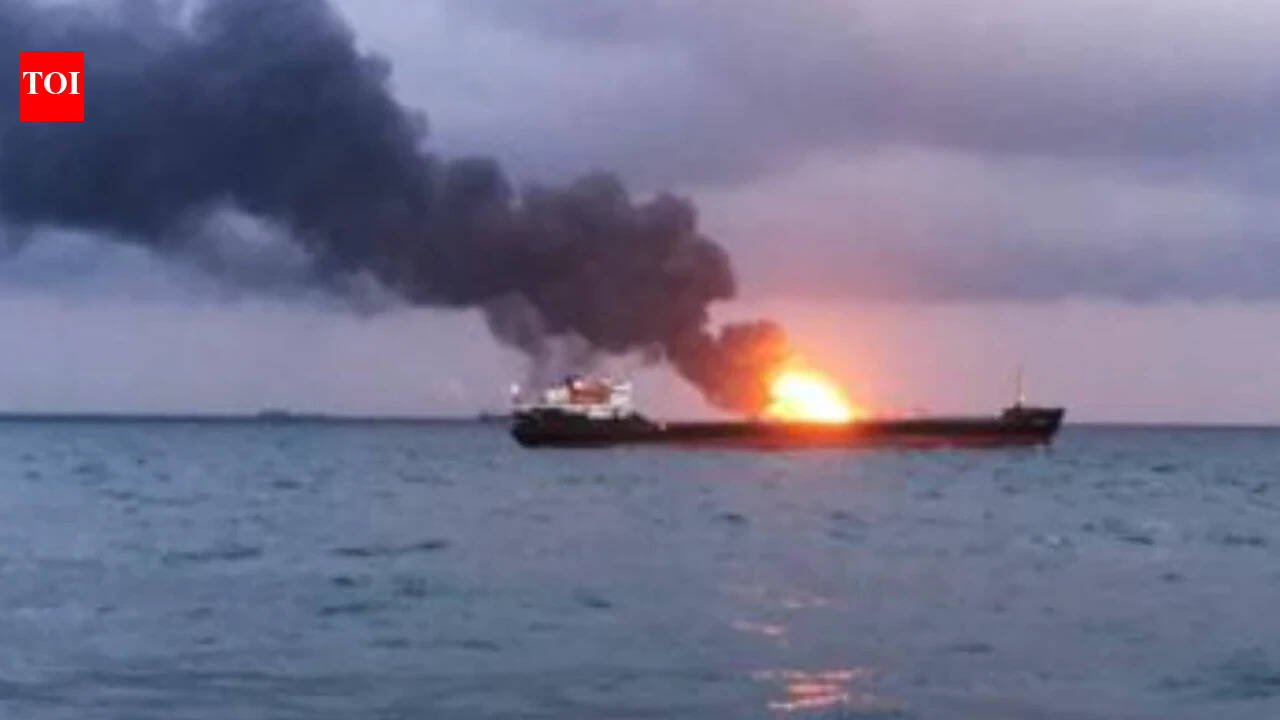
A Kuwait-flagged tanker, M/T Al Dasma, was struck by an unidentified projectile in the Strait of Hormuz on October 21. All 21 Indian crew members aboard are safe, and the Indian government is actively monitoring the situation.
Maritime Security Incident in the Strait of Hormuz
On October 21, the Kuwait-flagged oil product tanker M/T Al Dasma was struck by an unidentified projectile while transiting the strategically vital Strait of Hormuz. This incident has drawn immediate attention due to the presence of 21 Indian seafarers aboard the vessel. Fortunately, official reports, including statements from Union Minister of Ports, Shipping and Waterways Sarbananda Sonowal, have confirmed that all crew members remain safe and unharmed following the impact.
Geopolitical Context and Maritime Risks
The Strait of Hormuz remains one of the world's most critical maritime chokepoints, serving as a primary artery for global oil and gas transport. The region has historically been a theater for maritime tensions, and this latest strike highlights the persistent vulnerability of commercial shipping. The use of an unidentified projectile against a civilian tanker underscores the unpredictable nature of security risks currently facing mariners in this corridor.
The Human Element: Safety of Indian Mariners
India has a significant stake in maritime security, as a large number of Indian nationals serve as essential personnel on international commercial vessels. The safety of the 21 Indian seafarers on the M/T Al Dasma is the primary concern for the Indian government. By maintaining active communication with the ship’s management company, the Ministry of Ports, Shipping and Waterways is ensuring that the crew is provided with the necessary support and that security protocols are being strictly reviewed.
Broader Implications for Global Shipping
This event serves as a stark reminder of the fragile balance required to maintain safe passage in contested waters. Frequent incidents in the Strait of Hormuz often lead to increased insurance premiums for shipping companies and may necessitate changes in maritime traffic routes, which can have downstream effects on energy prices and supply chain stability. The international community continues to monitor these developments closely to prevent further escalations that could disrupt global energy markets.
Future Trends and Security Outlook
Looking ahead, the incident involving the M/T Al Dasma will likely lead to calls for enhanced monitoring and security cooperation in the Persian Gulf. As tensions persist in the Middle East, the maritime industry may see an increase in private security measures and closer coordination between flag states and naval patrols to deter future strikes. The Indian government's proactive stance in this situation reflects a broader policy of prioritizing the safety of its citizens serving on the high seas amidst an increasingly volatile global maritime landscape.