Donald Tusk meets PM Narendra Modi today, Polish defence industry looks at partnering with India
Source Entity
Shubhajit Roy
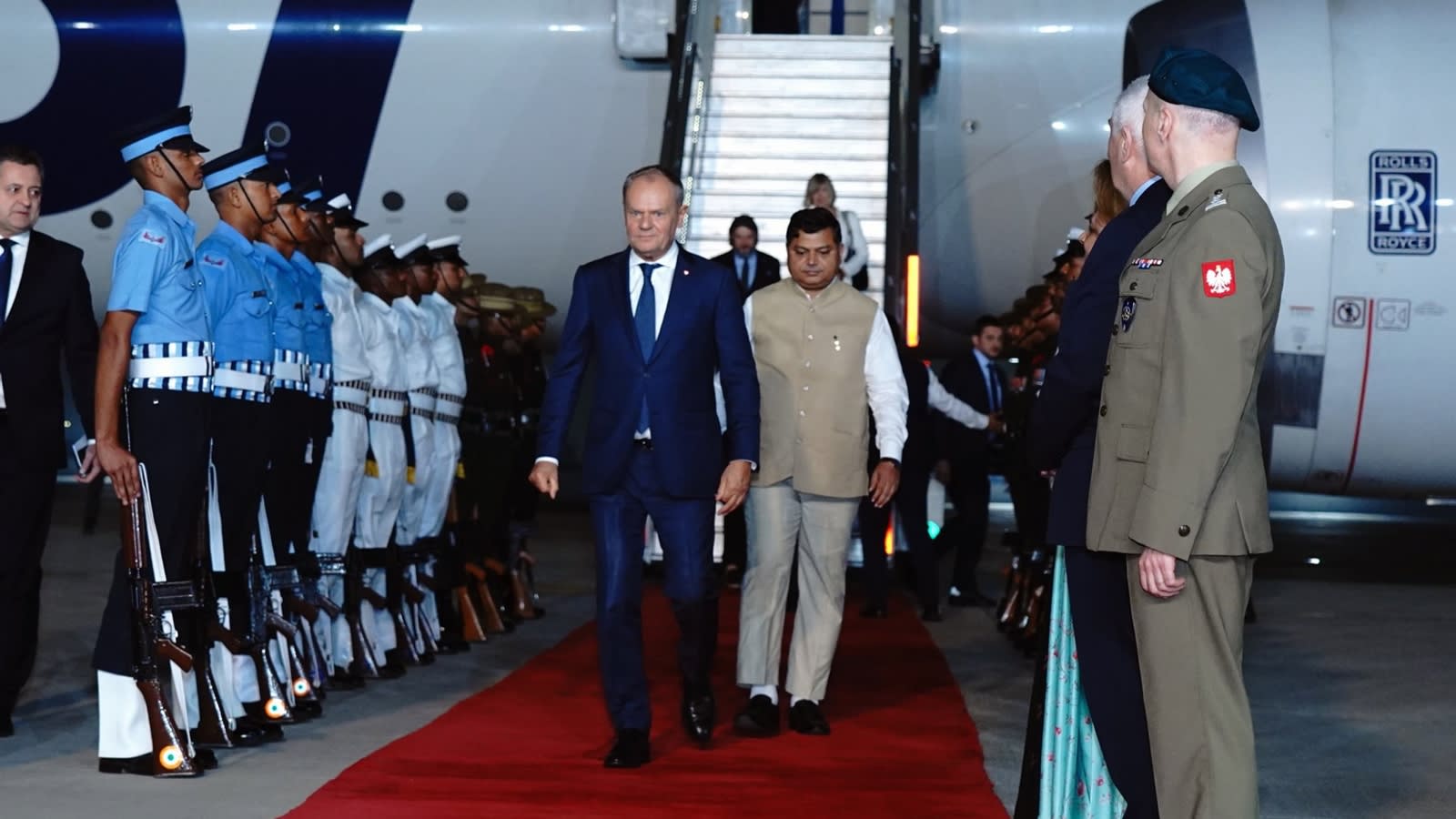
Polish PM Donald Tusk and PM Narendra Modi met in New Delhi to strengthen strategic ties, focusing on defense, space, and economic cooperation. This historic visit marks a new chapter in bilateral relations, emphasizing shared values and potential for co-production in strategic sectors.
A Historic Diplomatic Milestone
The arrival of Polish Prime Minister Donald Tusk in New Delhi marks a significant turning point in bilateral relations, representing the first visit by a Polish head of government to India in 16 years. This high-level engagement builds directly upon the groundwork laid during Prime Minister Narendra Modi’s visit to Warsaw in August 2024. The dialogue between the two leaders serves to formalize a strategic partnership, aimed at transforming long-standing diplomatic ties into tangible, high-impact collaborations across critical sectors.
Economic Synergy and Growth
Poland’s Finance Minister, Andrzej Domanski, has positioned Poland as a robust economic gateway for Indian businesses looking to expand into the European market. With the Polish economy currently standing as the fastest-growing large economy in Europe—projected at 3.6 percent GDP growth this year—Warsaw is eager to leverage its economic momentum. By pitching Poland as a hub for Indian investment, the Polish administration aims to deepen trade ties while simultaneously pushing for the broader India-European Union Free Trade Agreement, which would further lower barriers for mutual economic prosperity.
Strategic Defense and Security Cooperation
Central to the discussions was the potential for deep cooperation in the defense industry. Finance Minister Domanski highlighted Poland’s capacity to supply high-value, sophisticated defense equipment to India, while Prime Minister Modi explicitly invited Polish companies to engage in co-development and co-production. This move is designed to bolster India’s domestic defense manufacturing capabilities. Furthermore, the establishment of dedicated dialogues on defense industry collaboration and counter-terrorism underscores a shared commitment to security, even as Poland remains cognizant of India’s traditional diplomatic ties with Moscow.
Technology and Future-Proofing
Beyond defense, the bilateral agenda includes significant expansion into the space industry, satellite technology, and digitalization. Both nations identified these areas as critical for long-term strategic growth. By pooling resources and expertise, India and Poland are looking to capitalize on their technological synergies, moving toward a relationship defined by innovation and shared scientific advancement rather than mere transactional trade.
Shared Values and Global Diplomacy
Prime Minister Tusk emphasized that the friendship between the two nations is rooted in a lack of conflicting interests and a shared commitment to foundational values. He specifically cited the tradition of non-violence—noting that the Polish Solidarity movement drew inspiration from Indian traditions—as a cornerstone of their diplomatic rapport. By framing their cooperation through the lens of shared ethics and mutual trust, both leaders are crafting a narrative that elevates their partnership above traditional geopolitics.
Conclusion: A Strategic Future
The collaborative efforts between New Delhi and Warsaw signify a maturing relationship that is increasingly focused on self-reliance and strategic autonomy. As both nations commit to deepening ties in nuclear energy, space, and defense, the path forward is marked by a clear intent to move from bilateral meetings to active, industrial-scale co-production. This partnership not only strengthens the influence of both countries on the global stage but also sets a template for how middle powers can navigate complex international landscapes through targeted, value-driven cooperation.