Rules about LAWS: India must lead from the front
Source Entity
Latest News: Todays Latest News Headlines from India & World | Hindustan Times | Hindustan Times
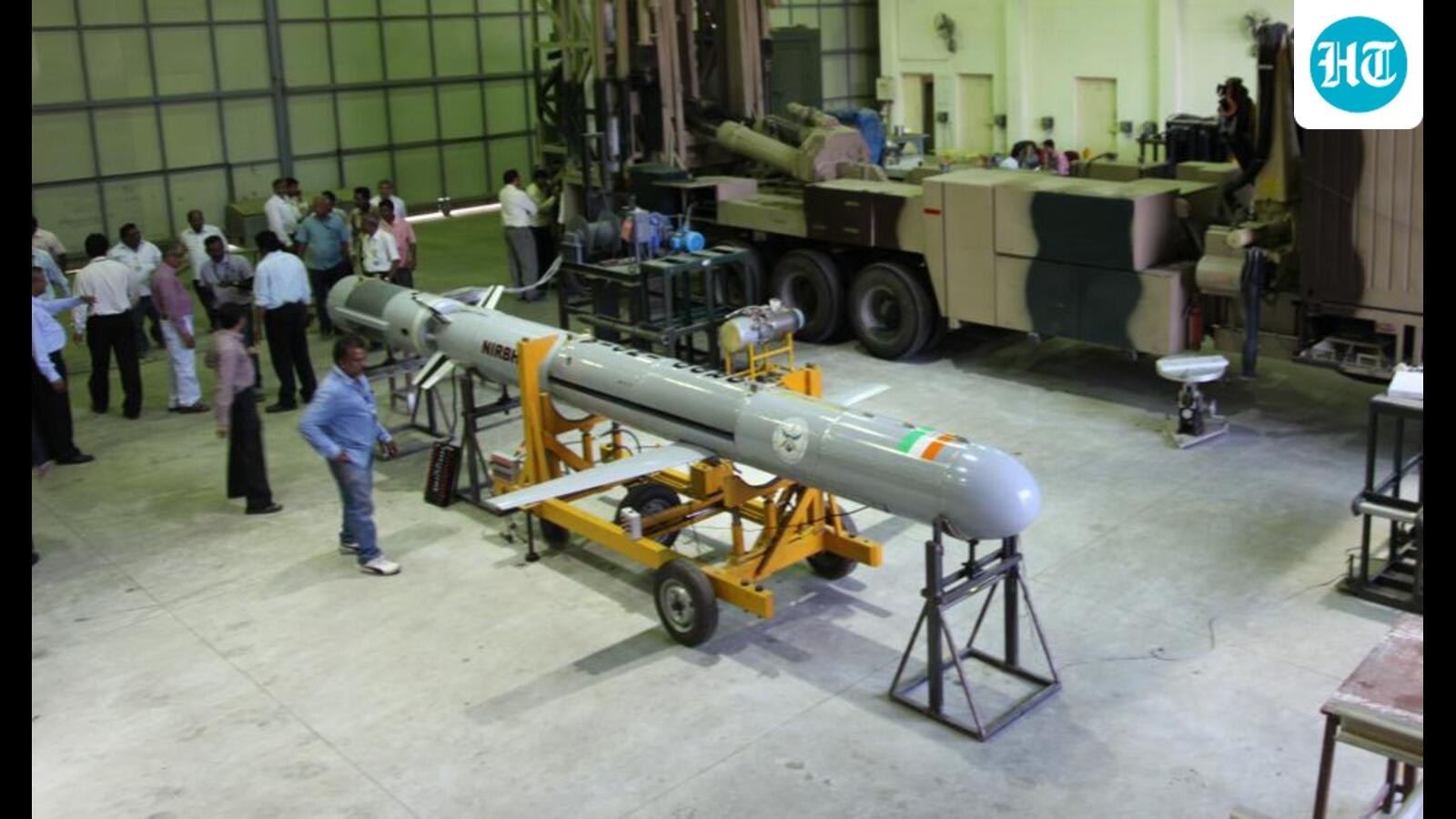
The emergence of Lethal Autonomous Weapon Systems (LAWS) challenges existing international legal frameworks and moral constraints in warfare. India is urged to spearhead a global consensus to regulate these technologies amidst shifting policies from major powers like the United States.
The Imperative for Global Governance on Autonomous Warfare
The rapid evolution of military technology has brought the world to a critical juncture regarding Lethal Autonomous Weapon Systems (LAWS). As these systems gain the capability to identify and engage targets without direct human intervention, the traditional paradigms of warfare are being dismantled. The recent policy shifts by the United States, specifically the announcement that it does not prohibit the development or employment of such systems, have catalyzed a global debate on the necessity of new regulatory frameworks.
Historical Precedents and Moral Restraints
Throughout history, every major technological leap in conflict—from the introduction of gunpowder to the advent of air power—has necessitated a recalibration of ethical and legal norms. Historically, the laws of war have relied on the fundamental distinction between combatants and non-combatants, a principle now threatened by algorithms that may lack the capacity for human judgment. The current trend suggests that we are entering an era where mechanical efficiency could supersede moral accountability, creating a dangerous vacuum in international humanitarian law.
The Geopolitical Implications of Space Militarization
Beyond terrestrial autonomous systems, the admission by the U.S. regarding the positioning of weapons in space marks a significant escalation in the scope of potential conflict. This expansion into the orbital domain complicates existing treaties that were designed to keep space a peaceful frontier. By setting these precedents, major powers are effectively rewriting the rules of engagement, forcing other nations to either respond in kind or seek diplomatic avenues to curb an unchecked arms race.
India’s Strategic Role in Global Consensus
India finds itself in a unique position to influence the trajectory of these developments. By advocating for a consensus-based global framework, India can leverage its diplomatic weight to bridge the gap between competing geopolitical interests. Rather than merely reacting to the advancements of others, India has the opportunity to lead from the front, ensuring that the development of LAWS is governed by international standards that prioritize transparency and human oversight.
Challenges to International Security
The lack of a unified global policy on LAWS poses significant risks to global stability. When major powers operate without clear restraints, it invites a proliferation of autonomous technologies among smaller states and non-state actors, potentially lowering the threshold for conflict. The inherent unpredictability of autonomous algorithms, combined with the lack of clear chain-of-command accountability, suggests that the current path is unsustainable and potentially catastrophic if left unaddressed.
Conclusion: The Path Forward
Ultimately, the challenge of LAWS is not merely a technical one but a profound humanitarian and moral dilemma. India’s call for a comprehensive global framework is essential to preserving the integrity of international law. By fostering cooperation among like-minded nations, the international community must establish clear, enforceable rules that prevent the dehumanization of warfare and ensure that machines are never granted the final authority over human life.
Verification Required?