1 Killed, 8 Injured In Attack On Dammam Airport: Saudi Civil Aviation
Source Entity
NDTV News Search Records Found 1000
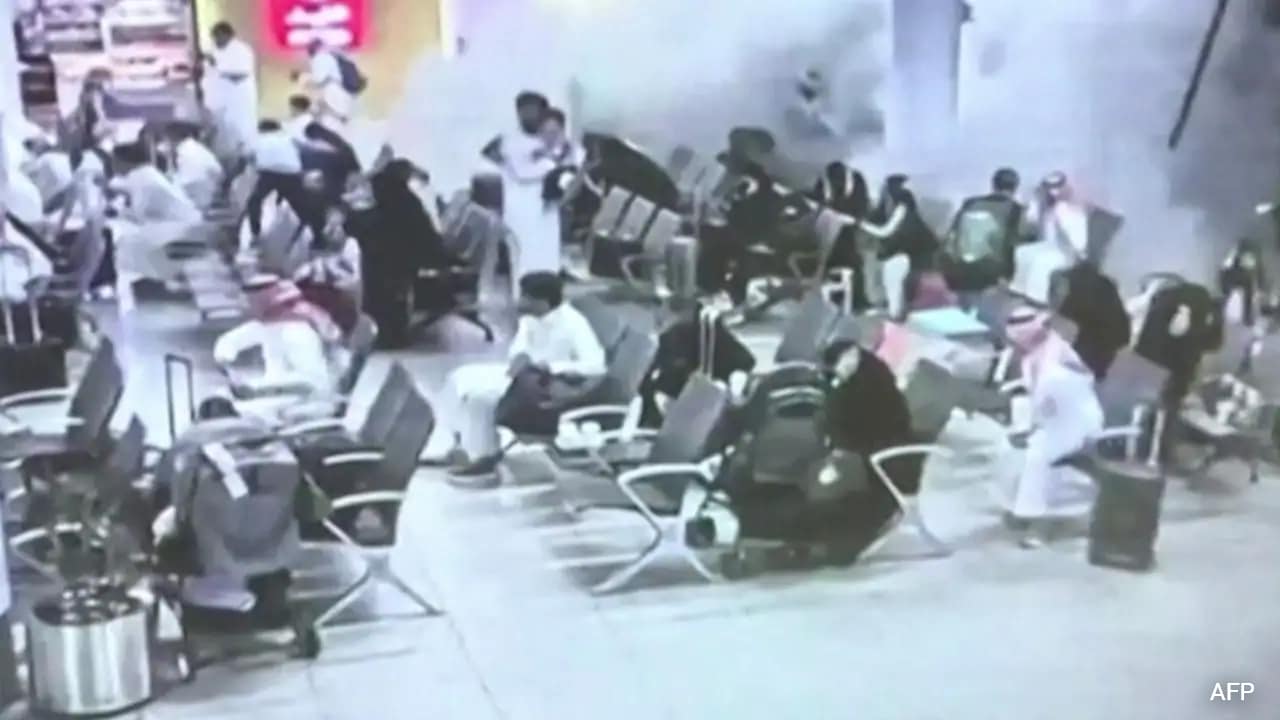
The US State Department has ordered non-essential embassy staff and their families to evacuate Saudi Arabia and other regional allies. This directive follows a surge in near-daily Houthi projectile attacks targeting Saudi airports and broader regional instability.
Heightened Regional Tensions: US Embassy Evacuations Amid Houthi Attacks
The Strategic Withdrawal
In a significant escalation of diplomatic caution, the United States Department of State has issued a mandatory departure order for non-essential government employees and their families currently stationed at the US embassy in Saudi Arabia. This decision comes in direct response to the persistent and intensifying security threats posed by the Houthi movement, which has engaged in near-daily projectile attacks against the kingdom. The order reflects a growing concern within Washington regarding the physical safety of its diplomatic corps as regional hostilities spill over into critical infrastructure.
Expanding the Security Perimeter
The scope of this evacuation order extends beyond Saudi Arabia, encompassing the United Arab Emirates, Jordan, Qatar, and Bahrain. This broader directive highlights the systemic nature of the current security crisis in the Middle East. By pulling family members and non-emergency personnel from these key regional hubs, the US government acknowledges that the volatility linked to Iran-backed actors is no longer contained to a single localized conflict zone, but has instead created a precarious environment for American personnel across several allied nations.
The Impact of Projectile Warfare
The immediate catalyst for these evacuations is the sustained targeting of Saudi Arabian airports. Recent reports from Saudi Civil Aviation confirm that these facilities have faced repeated projectile strikes, resulting in casualties and injuries—most notably the reported death and subsequent injuries at Dammam Airport. These attacks represent a shift toward targeting critical civilian and logistical infrastructure, fundamentally altering the risk profile for foreign missions operating within the region.
Geopolitical Context and Regional Instability
The current situation is deeply intertwined with the broader regional war, characterized by the influence of Iran-backed proxies. The Houthis, by maintaining a consistent cadence of offensive operations, have forced a reassessment of diplomatic security postures. This cycle of violence underscores the limitations of traditional diplomatic presence in zones where aerial warfare and projectile strikes are becoming normalized, forcing the US to prioritize the safety of its staff over the maintenance of a full-scale diplomatic footprint.
Future Implications for Middle Eastern Diplomacy
Looking ahead, this mass departure of embassy personnel signals a potential long-term cooling of diplomatic operations in the region. As the US manages the balance between supporting its allies and protecting its workforce, the frequency of such evacuation orders may set a precedent for how Western nations navigate future periods of intensified conflict. The ability of the US to maintain influence in the region while its staff is significantly reduced will remain a key challenge for the State Department as it monitors the ongoing threat levels posed by the Houthis and their regional backers.
Conclusion
The order to evacuate non-essential staff is a sober reminder of the fragility of the current regional security architecture. As the US recalibrates its presence in Saudi Arabia and surrounding nations, the focus remains on mitigating the human cost of the ongoing projectile attacks. The international community will be closely watching whether these security measures lead to a de-escalation or if the region faces a prolonged period of diplomatic isolation during this volatile military phase.
Multiple Citing Sources
Verification Required?