Indian national injured in attack at Saudi Arabia’s Shaybah oilfield
Source Entity
The Indian Express
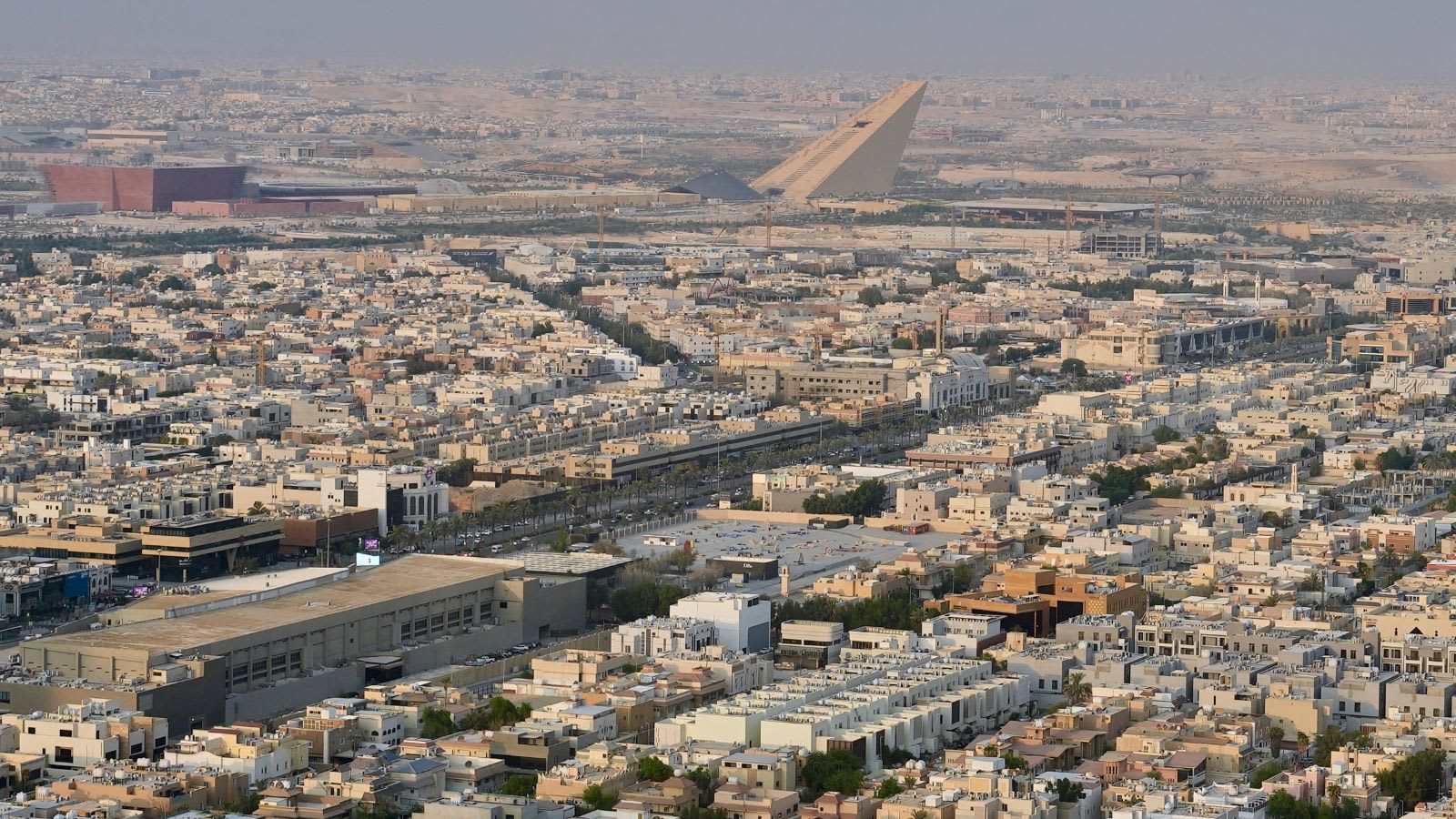
The U.S. has ordered non-essential embassy staff and families to depart Saudi Arabia and several regional allies due to intensified Houthi and Iranian-backed attacks. This move follows a series of projectile strikes on Saudi airports and underscores rising security concerns in the Gulf region.
Escalating Regional Tensions: US Embassy Staff Ordered to Depart
The United States Department of State has issued a formal directive ordering non-essential government employees and their families to evacuate the US Embassy in Saudi Arabia. This decision, confirmed by State Department spokesman Tommy Pigott, marks a significant shift in the American diplomatic posture within the Gulf. The evacuation order is a direct response to the persistent and escalating security threats posed by Yemen’s Houthi rebels, who have been conducting near-daily projectile attacks against the kingdom.
Broadening Security Concerns Across the Gulf
Beyond Saudi Arabia, the directive extends to the families of embassy staff stationed in the United Arab Emirates, Jordan, Qatar, and Bahrain. The inclusion of these nations highlights a regional security crisis, as these countries have increasingly become targets during the ongoing Middle East conflict. Intelligence assessments suggest that these nations are being targeted by Iranian-backed actors, raising the stakes for US diplomatic personnel operating in the region.
The Impact of Persistent Projectile Attacks
Recent reports from the Saudi Civil Aviation authority confirm the severity of the threat, noting that airports within the kingdom have been subjected to repeated projectile strikes. One such attack on the Dammam airport resulted in at least one fatality and eight injuries. These incidents demonstrate a shift in tactical capability, as the Houthis move beyond traditional skirmishes to strike critical infrastructure and civilian hubs, directly threatening the safety of foreign nationals.
Diplomatic Implications and Regional Stability
This mass evacuation order signals a lack of confidence in the current defensive measures to protect diplomatic personnel from sustained, high-frequency projectile attacks. By thinning the presence of US government employees, Washington is attempting to minimize its footprint in volatile areas while maintaining core diplomatic functions. This move reflects the broader, deteriorating security architecture in the Middle East as non-state actors leverage advanced weaponry to project power far beyond their borders.
Future Trends and Strategic Outlook
As the Houthi-led campaigns continue, the likelihood of further diplomatic drawdowns remains high. The inability to fully neutralize these projectile threats poses a long-term challenge for regional stability and US foreign policy. Observers anticipate that these security concerns will force a recalibration of how the US manages its diplomatic assets in the Gulf, potentially leading to increased reliance on remote operations and heightened security protocols for those remaining in the region. The situation remains fluid, with the safety of embassy staff serving as the primary metric for future diplomatic presence.
Multiple Citing Sources