Russian teen who drew anti-war picture at age 12 forced to flee country, now lives in hiding in France
Source Entity
Latest News: Todays Latest News Headlines from India & World | Hindustan Times | Hindustan Times
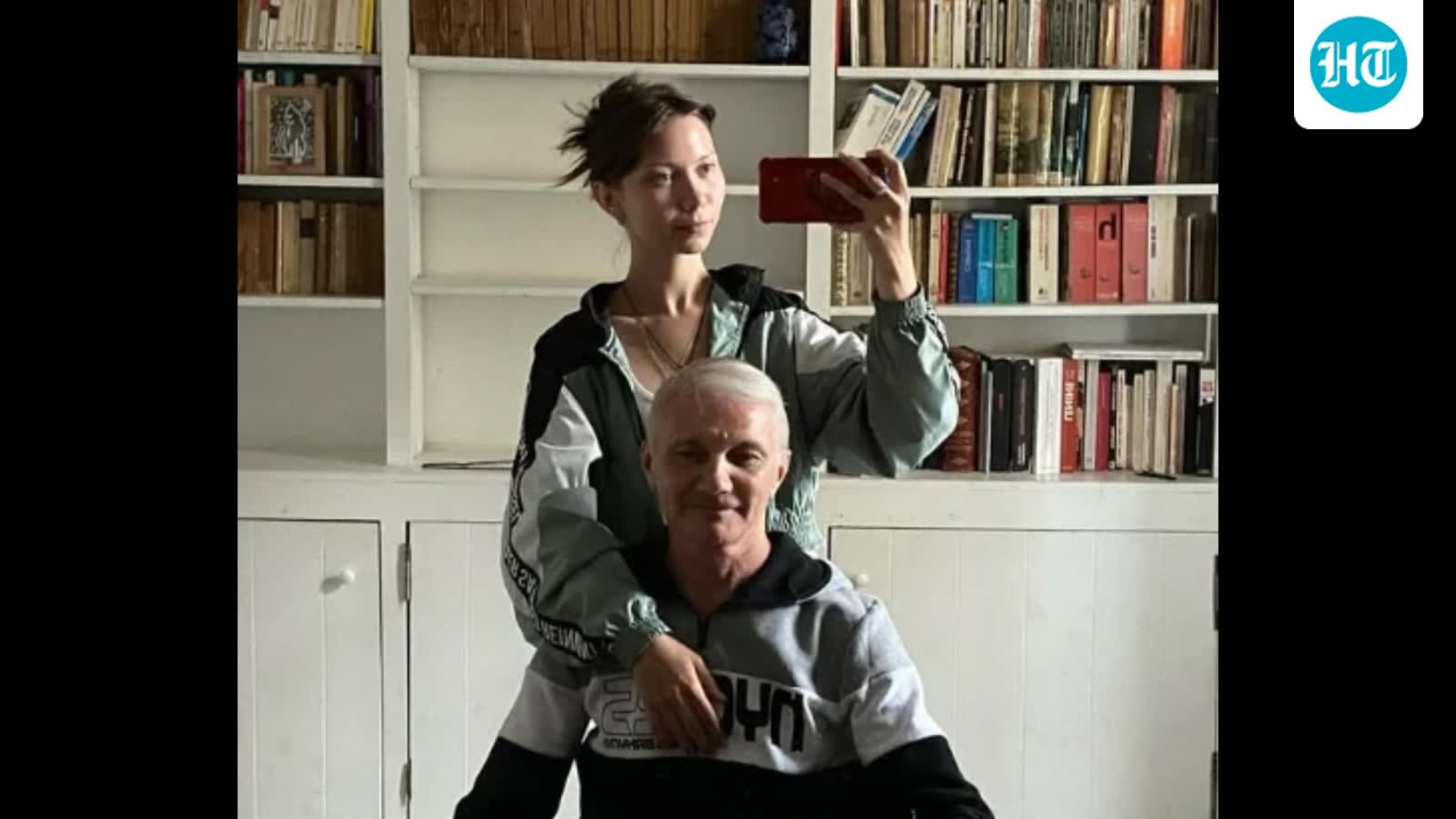
A Russian teenager who drew an anti-war picture at age 12 has fled to France after facing severe repercussions. Her act of defiance, depicting a mother protecting her child from Russian bombs, illustrates the heavy crackdown on dissent in Russia.
The High Cost of Dissent: A Child’s Drawing and Its Consequences
In February 2022, shortly after Russia launched its full-scale invasion of Ukraine, a 12-year-old schoolgirl named Masha Moskalyova found herself at the center of a geopolitical firestorm sparked by a simple act of artistic expression. Tasked by her school teacher to produce artwork supporting Russian troops, Masha diverged from her peers—who largely opted for pro-war symbols like the letter 'Z' and military hardware—by drawing a mother shielding her child from Russian missiles. This act of defiance, featuring the slogans "Glory to Ukraine" and "No Putin, no war," transformed a classroom assignment into a life-altering ordeal for the young girl and her family.
The Erosion of Personal Freedoms in Wartime Russia
The case of Masha Moskalyova is a poignant reflection of the rapidly shrinking space for political dissent within the Russian Federation since the onset of the conflict in Ukraine. The state’s reaction to a child’s colored-pencil drawing underscores the extreme sensitivity of the current administration toward any narrative that deviates from official state propaganda. By targeting a minor for her artistic choices, authorities sent a chilling message that even the private thoughts and expressions of children are subject to state scrutiny and potential criminalization.
From Classroom to Exile: The Human Toll
Following the discovery of the drawing, the repercussions were swift and severe, eventually forcing Masha to flee her homeland. Now living in hiding in France, the teenager’s transition from a student in a Russian classroom to an asylum seeker highlights the tragic human cost of the ongoing war. Her personal testimony, noting that she never expected such profound consequences from a simple child’s drawing, serves as a stark reminder of how authoritarian structures can dismantle the lives of individuals, regardless of their age or intent.
Broader Implications for Civil Society
This incident is not an isolated event but rather part of a broader trend of suppressing anti-war sentiment. The use of schools and educational institutions to enforce ideological conformity has become a hallmark of the current Russian domestic policy. When students are coerced into expressing support for military actions, the classroom ceases to be a space for learning and becomes an instrument of state control. Masha’s story illustrates the dangerous environment created when political loyalty is prioritized over the intellectual and emotional development of children.
Historical Context and Future Trends
Historically, the mobilization of youth in support of nationalistic causes has been a recurring theme in regimes seeking to consolidate power during times of conflict. However, the international outcry surrounding Masha's case highlights a modern tension between state-mandated narratives and the global reach of individual stories of resilience. As Russia continues to tighten its grip on public and private discourse, it is likely that cases of internal displacement and forced exile will increase, as families flee to escape the repercussions of perceived political disloyalty.
Conclusion
Masha Moskalyova’s journey from a 12-year-old artist to a refugee in France is a sobering case study on the fragility of childhood innocence in the face of state-sponsored aggression. Her story remains a powerful symbol of resistance, illustrating that even in the most restrictive environments, the urge to speak truth to power persists. As the international community observes these developments, the case serves as a critical reminder of the importance of protecting the fundamental rights of expression and the safety of those who choose to dissent.
Verification Required?