On Vallabhbhai Patel’s birth anniversary, a historian explains how he became ‘Sardar’
Source Entity
The Indian Express
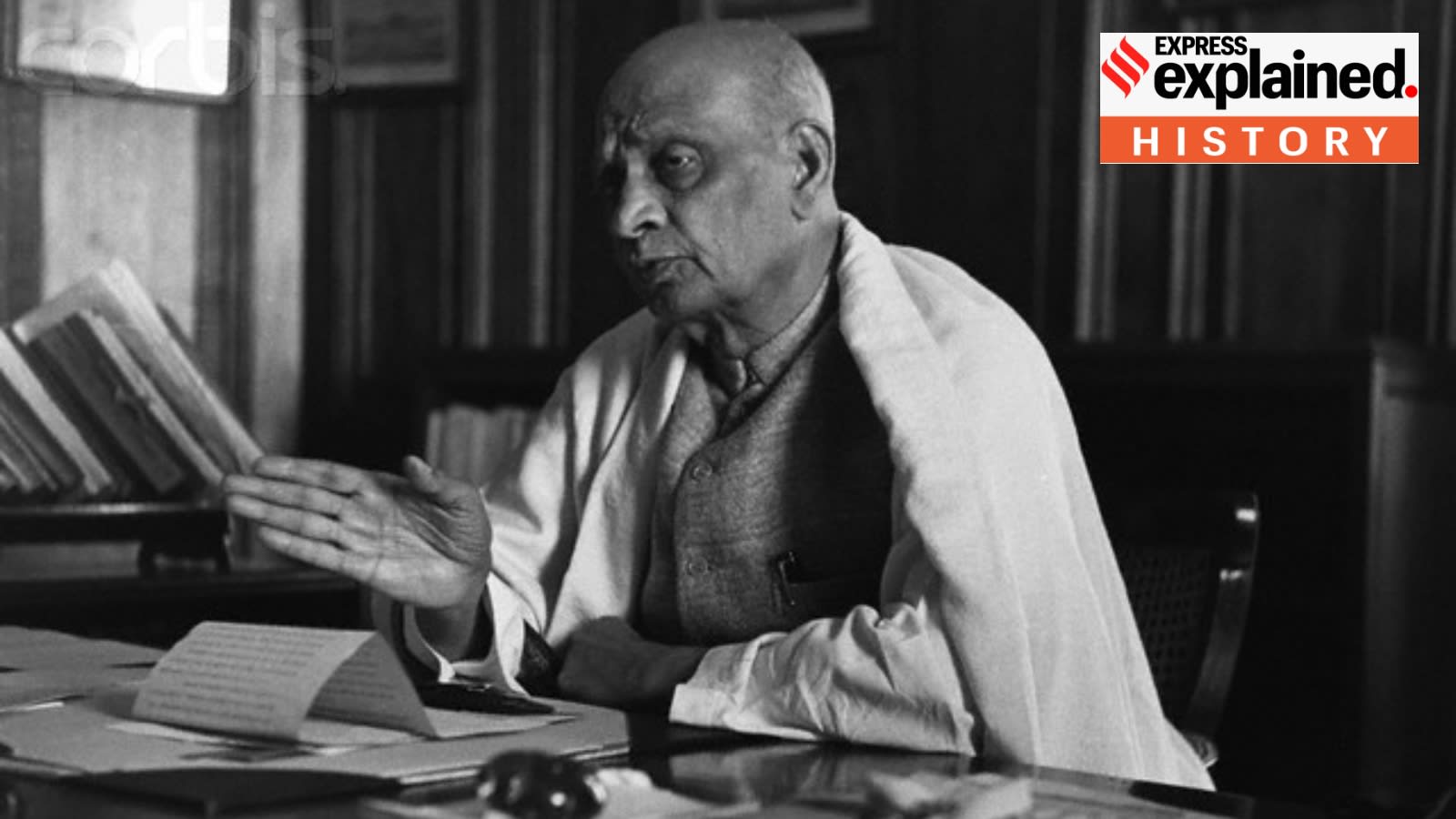
Sardar Vallabhbhai Patel, the architect of Akhand Bharat, is remembered for his monumental contributions to India's unification and the development of Ahmedabad. His legacy continues to be honored through national tributes and historical reflection on his selfless public service.
The Legacy of the Iron Man: Honoring Sardar Vallabhbhai Patel
Sardar Vallabhbhai Patel remains a towering figure in Indian history, synonymous with the consolidation of the nation into a unified entity. Known as the 'Architect of Akhand Bharat,' his birth anniversary serves as a critical moment for the nation to reflect on his administrative acumen and his role in weaving together the disparate princely states into the modern Republic of India. Recent tributes from leadership, including Prime Minister Narendra Modi and Amit Shah, underscore his enduring relevance in contemporary political discourse.
Foundations of Modern Ahmedabad
Beyond his national achievements, Patel’s impact on local governance was profound, particularly in Ahmedabad. His tenure as the president of the Ahmedabad municipality laid the groundwork for the city's transition into a major municipal corporation. This administrative background provided him with the practical experience required to manage the immense complexities of a post-independence nation, proving that his vision for 'Akhand Bharat' was rooted in the successful management of urban and regional infrastructure.
The Final Address and Selfless Service
Historical records highlight a poignant moment on October 31, 1950, when Patel addressed a crowd of over two lakh people in Ahmedabad on his 76th birthday. The event was not merely a celebration but a testament to his bond with the public. In a display of his characteristic selfless dedication, he directed the Rs 15 lakh gifted to him by the citizens toward the Gujarat Provincial Congress Committee for public works. This act remains a defining symbol of his integrity, occurring just weeks before his passing on December 15, 1950.
Commemoration and Historical Preservation
The site of his last speech near Lal Darwaja in Ahmedabad holds significant historical weight. In December 1959, the first President of India, Dr. Rajendra Prasad, unveiled a statue of Patel at this location, which was later transformed into a municipal garden. This site serves as a physical bridge between the past and present, ensuring that the history of his governance and his connection to the people of Gujarat is preserved for future generations.
Future Trends in Political Commemoration
As the nation continues to honor Patel, the focus has shifted toward integrating his life lessons into modern governance. The emphasis on 'Akhand Bharat' reflects a broader trend of reclaiming national identity and recognizing the pivotal figures who ensured India's sovereignty. Moving forward, the study of Patel's municipal and national contributions will likely remain a cornerstone for historians and policymakers seeking to understand the synthesis of regional development and national unity.
Multiple Citing Sources