SC defers Hawara transfer to Punjab till February after IB warns of poll impact
Source Entity
Latest News: Todays Latest News Headlines from India & World | Hindustan Times
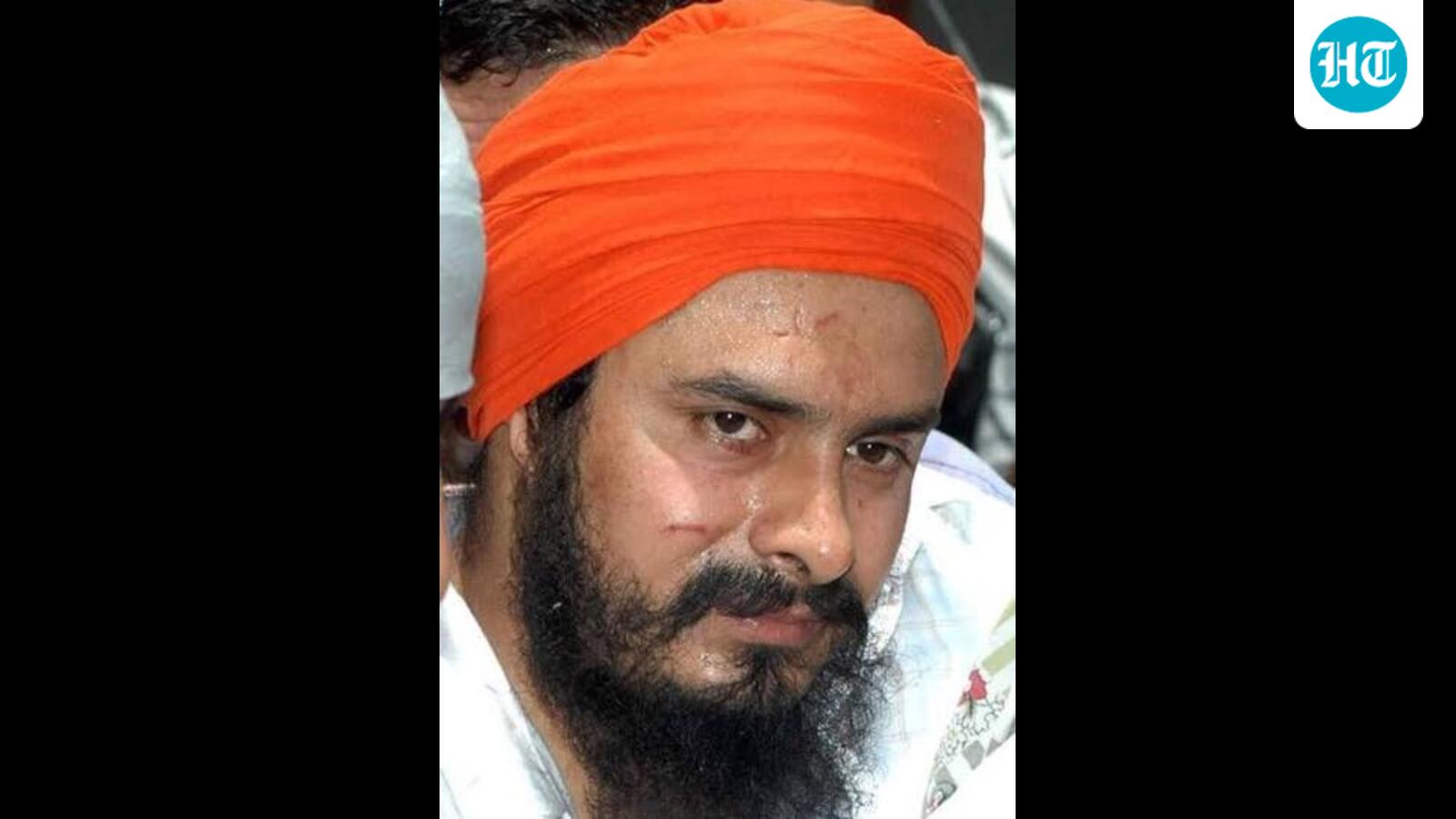
The Supreme Court has deferred the transfer of convicted assassin Jagtar Singh Hawara from Tihar Jail to Punjab following an Intelligence Bureau warning regarding election security. The court labeled the intelligence report as damning, leading legal counsel to agree to a postponement until after the upcoming assembly elections.
Judicial Deferral: The Intersection of Security and Justice
The Supreme Court of India recently took a significant step in balancing the rights of a high-risk convict against the immediate security concerns of the state. By deferring the transfer of Jagtar Singh Hawara—a convicted assassin of former Punjab Chief Minister Beant Singh—from Delhi’s Tihar Jail to a prison in Punjab, the court has prioritized maintaining public order during a sensitive electoral period. This decision follows a stern advisory from the Intelligence Bureau (IB), which cautioned that such a relocation could disrupt the political climate during the upcoming state assembly elections.
The Historical Context of the Conviction
Jagtar Singh Hawara, a prominent member of the Babbar Khalsa militant group, remains a figure of significant concern for national security agencies. His conviction stems from his role in the 1995 assassination of Beant Singh, an event that remains etched in India’s political history as a dark chapter of militancy. The blast at the Chandigarh civil secretariat, which claimed the lives of 17 individuals, underscored the volatility of the region during that era. His ongoing life sentence serves as a reminder of the state’s commitment to addressing the legacy of political violence.
Intelligence Bureau’s Assessment
In its submission to the bench comprising Justices MM Sundresh and PB Varale, the Intelligence Bureau classified Hawara as a high-risk individual. The agency explicitly warned that moving him to Punjab could potentially serve as a catalyst for unrest or political instability. The court’s acknowledgment of the report as "damning" reflects the weight given to institutional intelligence in matters of national security. When judicial proceedings intersect with state security, the courts often exercise caution to prevent any inadvertent influence on the democratic process.
Navigating Legal and Electoral Constraints
Senior advocate S. Muralidhar, representing Hawara, demonstrated a pragmatic approach by agreeing to postpone the hearing until after the conclusion of the assembly elections. This consensus highlights the legal system’s ability to adapt to external pressures, such as electoral cycles, when there is a risk of compromising the integrity of the voting process. By delaying the proceedings, the court ensures that the discourse regarding the prisoner's relocation does not become a campaign issue or a flashpoint for renewed tensions.
Broader Implications and Future Trends
This case underscores the recurring challenge for the Indian judiciary: how to manage the confinement of high-profile security threats while upholding the rule of law. The precedent set here suggests that the Supreme Court is willing to allow intelligence agencies a substantial role in determining the logistics of high-security prisoner management when electoral stability is at stake. As India continues to navigate its complex internal security landscape, the coordination between judicial authorities and intelligence wings will remain a critical factor in maintaining equilibrium.
Conclusion
The decision to keep Hawara in Tihar Jail until the electoral dust settles is a tactical move to safeguard the democratic exercise in Punjab. While the prisoner’s legal team continues to pursue the transfer, the current deferment ensures that the state can focus on the election cycle without the added volatility of a high-profile prisoner movement. This case serves as a poignant example of how the judiciary, executive, and intelligence apparatus must remain aligned to prevent the exploitation of legal proceedings for political mobilization.
Verification Required?