In SC, biological women oppose equal rights for transgender women
Source Entity
DHANANJAY MAHAPATRA
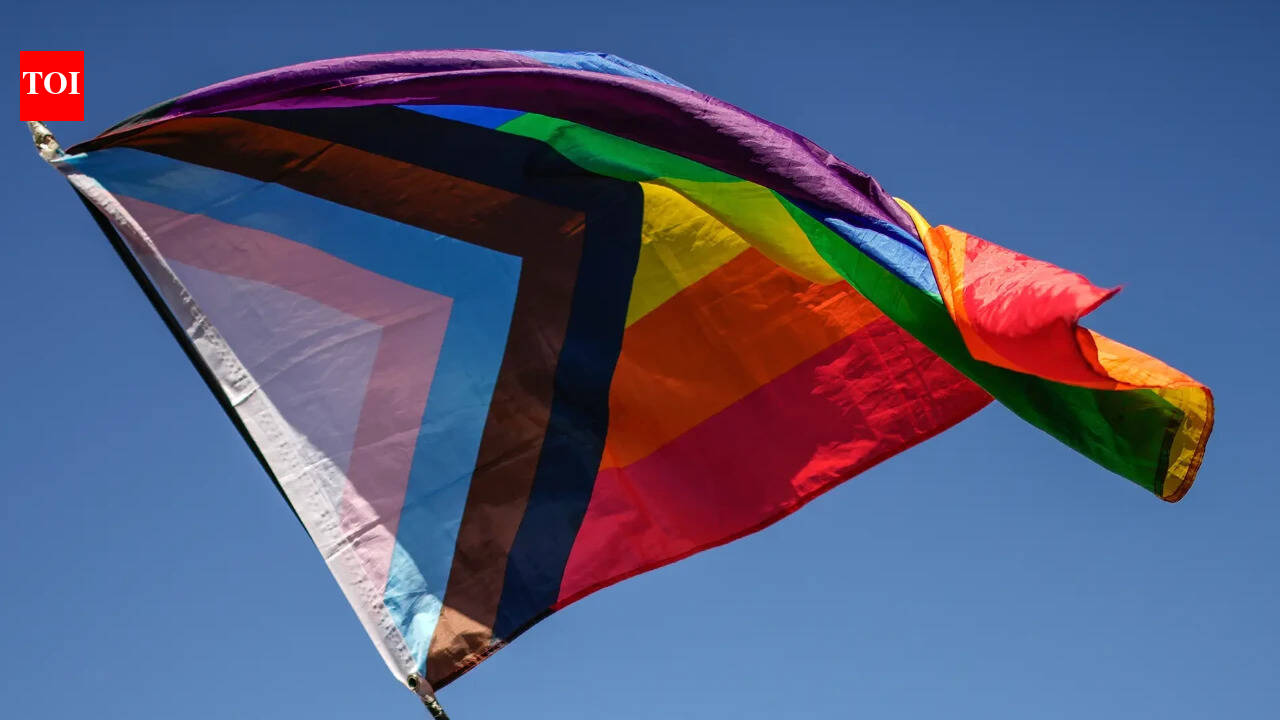
An all-women NGO has petitioned the Supreme Court of India to oppose granting trans-women the same constitutional rights as biological women. The case highlights a growing legal conflict regarding gender self-determination versus established protections for biological women.
The Legal Conflict Over Gender Identity and Women's Rights
A New Front in Constitutional Litigation
A significant legal development has emerged in the Supreme Court of India, where the organization 'Women’s Declaration International India' has challenged the inclusion of trans-women within the spectrum of constitutional rights specifically afforded to biological women. This intervention comes amidst a broader series of petitions currently before the court that seek to challenge the Transgender Amendment Act, primarily on the grounds that it restricts the right to gender self-determination.
The Argument for Biological Distinction
Represented by senior advocate Amit Sibal, the NGO argued before a bench led by Chief Justice Surya Kant and Justices Joymalya Bagchi and V Mohana that the legal recognition of 'trans-women'—defined in this context as biological males identifying as females—should not automatically entitle them to the specific constitutional protections reserved for biological women. This stance reflects a growing global debate regarding the intersection of gender identity rights and the legislative frameworks designed to protect biological sex-based rights.
Contextualizing the Transgender Amendment Act
The current litigation is deeply rooted in ongoing disputes over the Transgender Persons (Protection of Rights) Act. Critics of the Act have long argued that its provisions regarding gender recognition fall short of international human rights standards, specifically the principle of self-identification. By bringing this counter-petition, the NGO is positioning itself against the judicial expansion of gender definitions, arguing that such changes could dilute the specific legal protections established for biological women.
Broader Implications for Indian Jurisprudence
This case poses a complex challenge for the Supreme Court. The judiciary must now balance the evolving understanding of gender identity against the existing legislative framework that distinguishes rights based on biological sex. The outcome of this case could set a significant precedent for how Indian law reconciles the rights of the transgender community with the established rights of biological women, potentially influencing future legislative amendments and judicial interpretations.
Future Trends and Judicial Outlook
As the Supreme Court continues to deliberate, the legal community and advocacy groups are closely watching to see how the bench navigates these competing interests. The court’s eventual ruling will likely serve as a landmark decision that defines the boundaries of gender identity in the Indian legal system, balancing the demand for inclusive rights with the concerns regarding the specificity of existing constitutional protections for women.