‘Police treating protesters in inhumane manner’: Gargajj; Pargat demands SSP’s dismissal as protesters reach Mansa amid apprehension
Source Entity
Kamaldeep Singh Brar
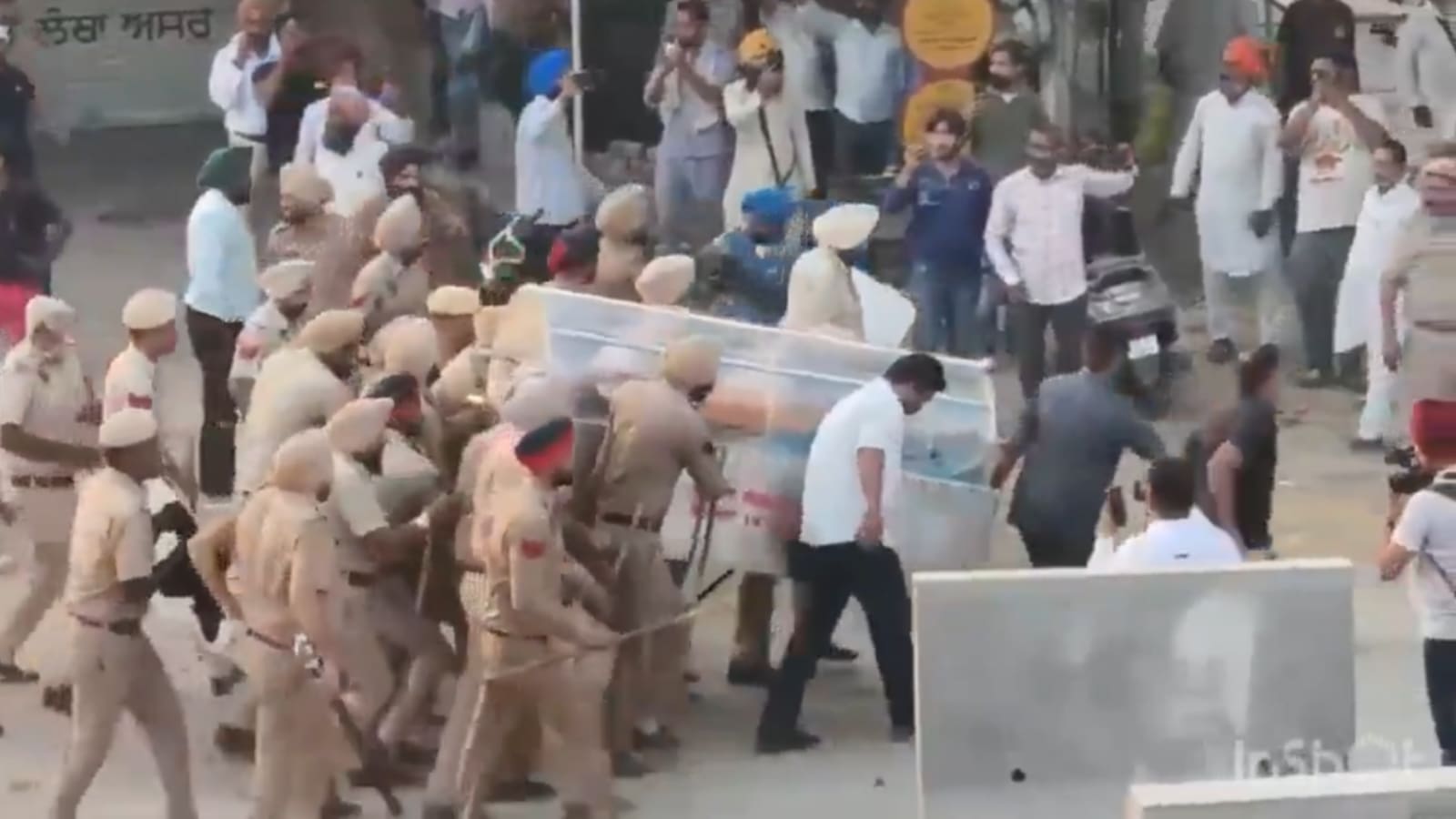
Protesters have gathered in Mansa following the detention of activists Lakhbir Singh Lakha Sidhana and Bhana Sidhu. The ongoing 16-day protest seeks justice for Parvinder Singh Jhota amid allegations of police misconduct.
Escalating Tensions in Mansa: A Summary of Recent Unrest
A significant protest movement has intensified in Mansa, Punjab, following the detention of prominent figures Lakhbir Singh Lakha Sidhana and Bhana Sidhu. These detentions occurred at a dharna site where demonstrators have been assembled for 16 consecutive days, demanding justice for Parvinder Singh Jhota. The situation has drawn sharp criticism from religious leadership, most notably Akal Takht Jathedar Giani Kuldip Singh Gargajj, who has publicly condemned the authorities for their treatment of the protesters.
The Impact of Police Containment Strategies
In response to the growing crowds, local authorities have implemented a heavy security blanket across the region. Barricades and police trucks have been strategically placed on all major arteries leading into Mansa, aiming to restrict movement and maintain order. Despite these efforts, a substantial number of supporters successfully bypassed these measures to reach the protest site. This cat-and-mouse dynamic between state forces and civil society highlights the deep-seated grievances currently fueling the agitation.
Political Backlash and Calls for Accountability
Political figures are beginning to weigh in on the situation, with Pargat Singh explicitly calling for the dismissal of the Senior Superintendent of Police (SSP) in light of the alleged inhumane treatment of protesters. This demand reflects a broader political friction regarding the state's handling of public dissent. By focusing on the conduct of law enforcement, opposition voices are attempting to shift the narrative from the specific case of Parvinder Singh Jhota to a wider debate about civil liberties and administrative accountability in the region.
The Dual-Front Protest Strategy
Demonstrators have adopted a dual-front approach to maximize their impact. While the main dharna continues at its original site, a secondary group has established a presence outside the Deputy Commissioner’s office. By protesting directly at the seat of district administration, the organizers are signaling that they intend to exert institutional pressure until their specific demands regarding Parvinder Singh Jhota are addressed by the state machinery.
Broader Implications and Future Outlook
The ongoing nature of this protest, now entering its third week, suggests a high level of organizational resolve. The involvement of religious authorities and the escalation of political rhetoric indicate that the conflict is unlikely to resolve without formal dialogue. As the state balances the need for public order with the democratic right to peaceful assembly, the situation in Mansa remains a volatile flashpoint that could influence regional political discourse in the coming weeks.