Peter Schiff called the 2008 housing market crash — now he warns a 'housing emergency' is coming. Are you ready?
Source Entity
Yahoo Finance
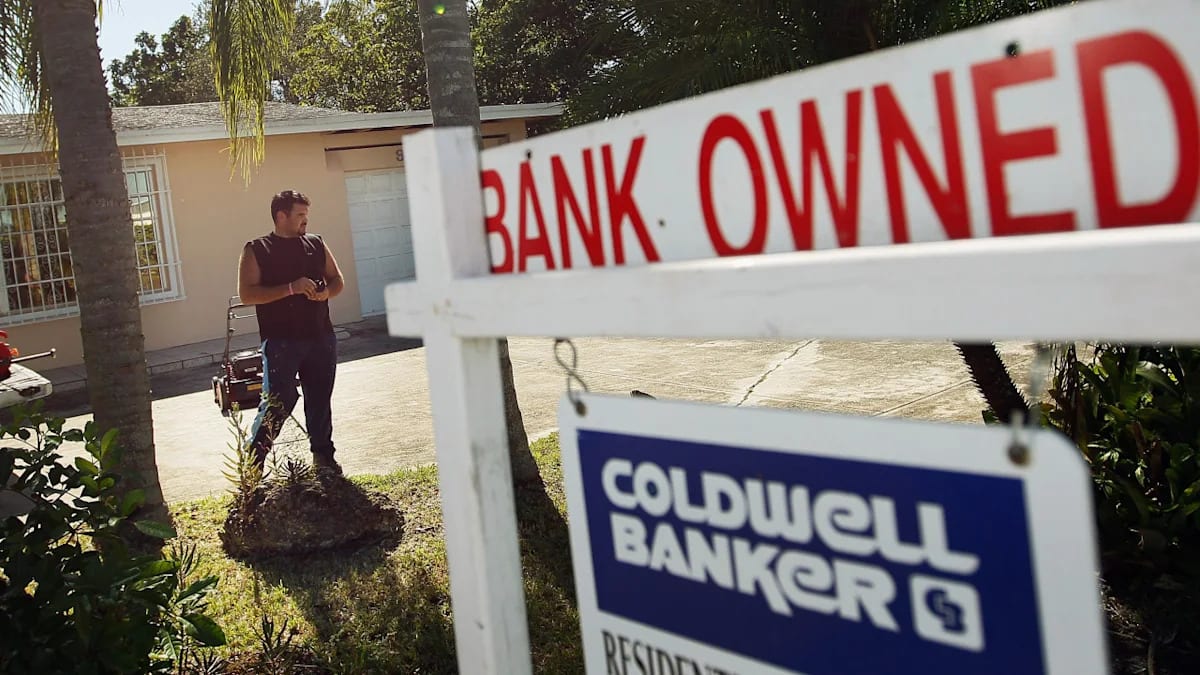
Financial experts Peter Schiff and Peter Thiel are raising alarms over a potential housing market instability driven by high prices and regulatory constraints. Their warnings highlight the growing divide between affordability for younger generations and current asset valuations.
The Looming Housing Crisis: Perspectives from Schiff and Thiel
Recent commentary from prominent financial figures Peter Schiff and Peter Thiel has converged on a singular, concerning theme: the structural integrity of the modern housing market. While their specific focal points differ—Schiff emphasizing the mechanics of debt and default, and Thiel focusing on systemic socioeconomic disparities—both suggest that the current trajectory of real estate is unsustainable.
The Debt Trap and Potential for Default
Peter Schiff, known for his early warnings regarding the 2008 financial crisis, has turned his attention to the risk of a 'housing emergency.' His primary concern lies in the volatility of house prices relative to owner equity. With median new home prices hovering above $405,300, many homeowners are currently situated in a precarious financial position. Schiff argues that if prices undergo a sudden correction, a significant number of owners could find themselves 'underwater'—a scenario reminiscent of 2008 where the cost of the mortgage exceeds the market value of the home, potentially triggering a cascade of defaults.
The Impact of Interest Rate Volatility
Central to Schiff's thesis is the dramatic shift in borrowing costs over the last several years. The trajectory of 30-year fixed mortgage rates, which saw a meteoric rise from 2.65% in early 2021 to a peak of 7.79% in late 2023, has fundamentally altered the affordability landscape. While these rates have moderated to approximately 6.55% as of July 2026, the cost of servicing debt remains significantly higher than the baseline established during the pandemic era. This sustained high-rate environment continues to apply pressure to both prospective buyers and existing homeowners.
Structural Barriers and Generational Inequality
Peter Thiel approaches the crisis through the lens of a 'Georgist real estate catastrophe,' specifically targeting the regulatory and supply-side constraints that have locked many younger Americans out of the market. Thiel argues that restrictive zoning laws and inadequate housing construction are the primary culprits behind the affordability crisis. He posits that these policies act as a wealth transfer mechanism, artificially inflating the property values of older generations—'the boomers'—at the direct expense of millennials who struggle to enter the market.
Global Implications and Economic Forces
Thiel notes that this phenomenon is not unique to the United States but is a pervasive issue across several 'Anglosphere countries,' including Britain and Canada. The interplay between limited supply and aggressive population growth creates a supply-demand imbalance that keeps prices elevated despite the dampening effect usually expected from higher interest rates. This suggests that the current housing crisis is not merely a product of monetary policy, but a deeply rooted structural issue involving urban planning and economic policy.
Conclusion: Navigating Future Uncertainty
The dual warnings from Schiff and Thiel provide a comprehensive view of the risks inherent in the current market. Whether the threat manifests as a sudden financial shock due to debt defaults, as Schiff warns, or as a long-term erosion of wealth and opportunity due to systemic barriers, as Thiel suggests, the consensus is clear: the housing market is currently experiencing significant, potentially dangerous, pressures that require careful observation and risk management by both individuals and policymakers.