The banker, the basketball star, the cardiologist and the chemist: meet Serbia's potential new leaders
Source Entity
Latest News: Todays Latest News Headlines from India & World | Hindustan Times | Hindustan Times
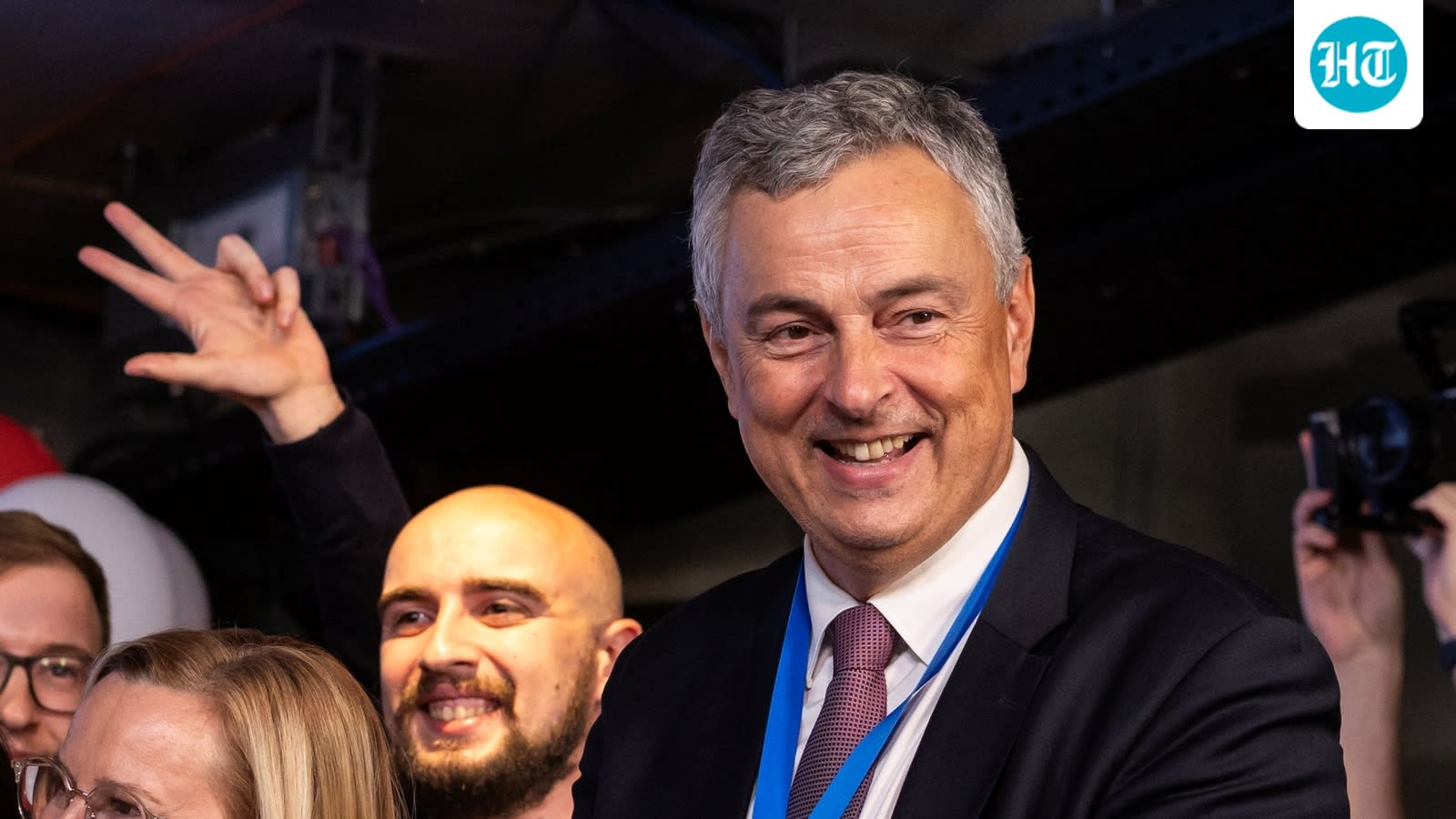
Serbia is undergoing a political transition after a student-led movement prompted the ousting of Aleksandar Vucic. A diverse group of experts, including economist Dejan Soskic, are being considered for key leadership roles in the new government.
A Historic Shift in Serbian Governance
The landscape of Serbian politics has undergone a seismic shift following a historic snap election that saw the removal of former President Aleksandar Vucic. This transition was catalyzed by a powerful, student-led protest movement that successfully mobilized the electorate, effectively signaling a demand for systemic change and institutional integrity. As the nation pivots toward a new administration, the focus has shifted to the selection of a new Prime Minister and the appointment of key cabinet ministers who will define the country's trajectory.
The Rise of Technocratic Leadership
Among the figures emerging as potential leaders is Dejan Soskic, a prominent economist and professor at the University of Belgrade’s Faculty of Economics. Soskic brings a wealth of experience to the table, having previously served as the governor of the central bank from 2010 to 2012. His tenure was marked by a principled resignation, which he submitted in protest against legislative amendments he believed threatened the independence of the central bank. His long-standing history as a vocal critic of the previous government positions him as a symbol of institutional accountability.
The Role of Student Activism
The core of this political evolution lies in the unique role played by student movements. By successfully channeling public discontent into a cohesive political force, these students have fundamentally altered the route to political power in Serbia. This movement underscores a growing trend where grassroots academic and youth-led organizations are bypassing traditional political party structures to demand governance reform, effectively making the student movement a primary architect of the current political transition.
Challenges of Institutional Reconstruction
As the new government takes shape, the primary challenge will be restoring public trust in state institutions. The presence of candidates with backgrounds in economics, medicine, and science—such as the cardiologist and chemist noted in the transition reports—suggests a shift toward a technocratic approach. This move is likely aimed at addressing the concerns regarding institutional independence that were central to the protests, particularly the legislative issues that sparked earlier friction between experts and the previous administration.
Future Outlook and Stability
Looking ahead, the success of this new government will depend on its ability to maintain the momentum of the protest movement while transitioning into a functioning executive body. The inclusion of diverse professionals in potential ministerial roles is a strategic attempt to ensure that the new administration is viewed as competent and distinct from the previous regime. The international community and the Serbian public will be closely watching how these leaders navigate the balance between implementing necessary reforms and maintaining national stability during this period of significant transformation.
Verification Required?