Why I went on stage with Rahul Gandhi
Source Entity
The Indian Express
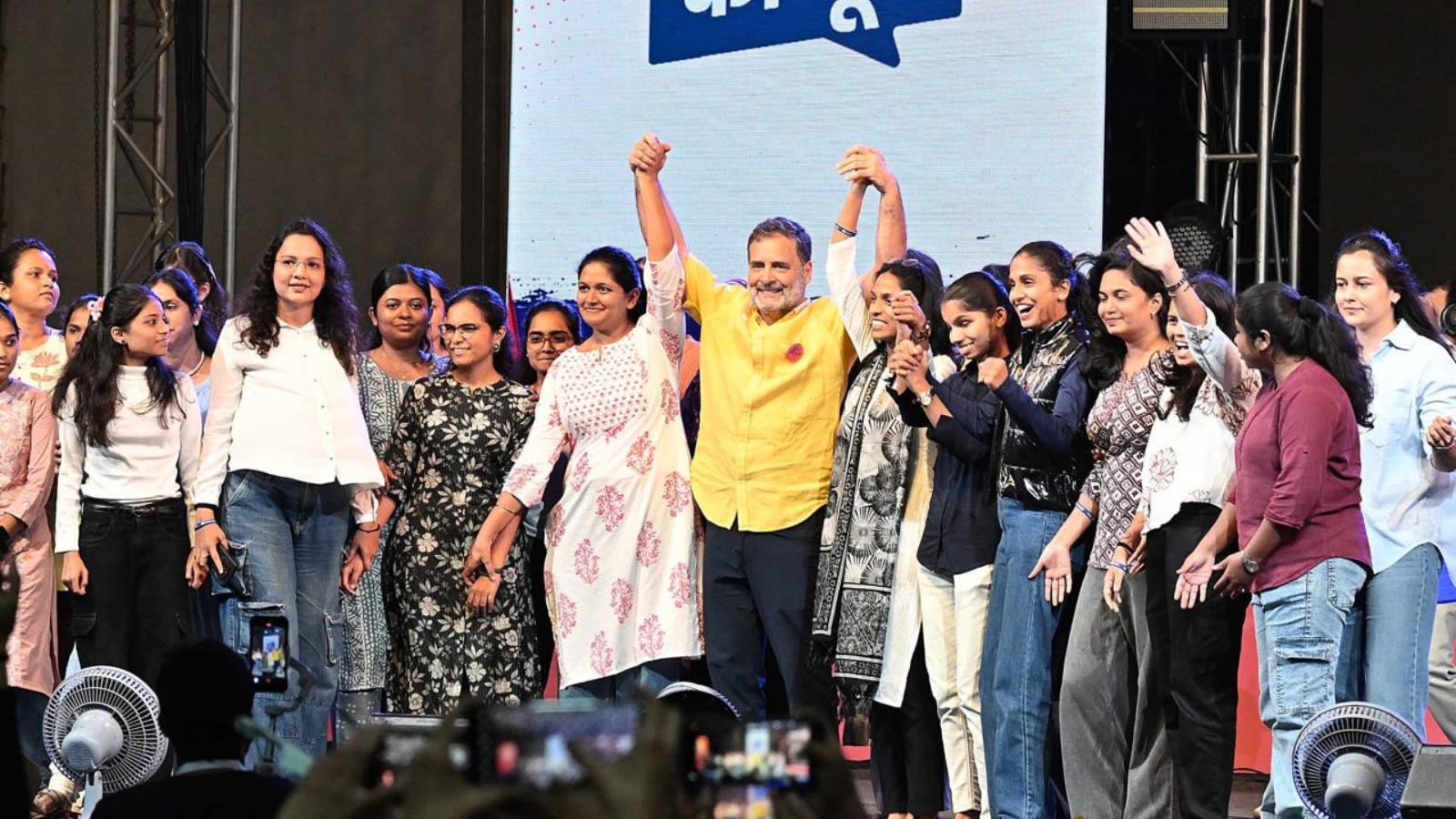
Sharayu Chopade shares her personal experience attending the 'Chhatron ki Goonj' event in Pune where Rahul Gandhi spoke. She highlights his willingness to address societal issues and advocate for women's empowerment despite potential political backlash.
A Perspective from the Stage: The Chhatron ki Goonj Event
The recent 'Chhatron ki Goonj' event held in Pune has sparked significant discourse, not merely for its political nature, but for the unconventional interaction between a prominent political figure and the youth. Sharayu Chopade, an attendee who took the stage, described the event as a departure from typical political rallies, framing it as a platform for addressing the tangible issues that impact the daily lives of ordinary citizens. This shift in engagement suggests a growing demand for transparency and direct communication between leaders and the electorate.
Breaking the Silence on Uncomfortable Truths
Central to Chopade’s narrative is the observation that Rahul Gandhi chose to address concerns that are frequently sidelined in mainstream political rhetoric. By venturing into topics that are often deemed too controversial or politically risky, the event aimed to foster a sense of authenticity. For many attendees, this approach provided a rare opportunity to see political grievances acknowledged in a public forum, which served as a catalyst for increased civic engagement and confidence among the youth present at the gathering.
Challenging Patriarchal Norms
One of the most significant aspects of the event, as highlighted by Chopade, was Gandhi’s explicit commentary regarding gender dynamics. By asserting the intelligence and capabilities of women, even at the potential cost of alienating segments of the population entrenched in patriarchal mindsets, the discourse challenged traditional political calculations. This move reflects a broader, albeit difficult, attempt to reshape the narrative surrounding gender equality within the Indian political landscape.
The Risk of Political Candor
Chopade underscores the 'lion’s heart' required to speak such truths in an environment where every word is scrutinized for its impact on vote banks. In the current political climate, where caution is often the preferred strategy, such displays of honesty represent a high-stakes gamble. By choosing to prioritize ideological messaging over safe, populist rhetoric, the speaker invited both praise and the inevitable backlash associated with challenging established societal norms.
Future Implications for Youth Engagement
Looking forward, the 'Chhatron ki Goonj' event serves as a case study for how political figures might attempt to connect with younger generations. When leaders address systemic issues—ranging from education to gender equality—with a perceived sense of sincerity, they can bridge the cynicism gap that often characterizes youth participation in politics. The event suggests that the future of political mobilization may rely less on grand promises and more on the courage to engage in difficult, honest conversations.
Conclusion
Ultimately, Sharayu Chopade’s account provides a window into the evolving relationship between the public and political leaders in India. While the long-term impact of such events remains to be seen, the immediate effect was a renewed sense of empowerment among those who felt their concerns were finally being heard. By focusing on uncomfortable truths, the event demonstrated that there is a significant, albeit challenging, path toward building a more empathetic and transparent political culture.