Speaker’s nod to Sena (UBT) MPs’ merger challenged in SC
Source Entity
Latest News: Today's Latest News Headlines from India & World | Hindustan Times | Hindustan Times
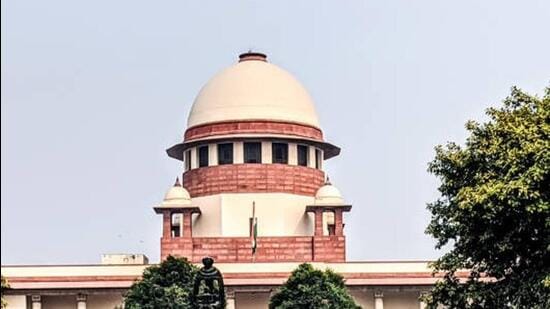
Lok Sabha Speaker Om Birla's recognition of six Shiv Sena (UBT) MPs joining the Eknath Shinde-led faction has significantly altered parliamentary dynamics. The UBT faction has challenged this decision in the Supreme Court, citing a legislative standstill.
The Reshaping of NDA Dynamics in the Lok Sabha
On June 18, just days before the commencement of the Monsoon Session, Lok Sabha Speaker Om Birla issued a decision that has fundamentally shifted the internal power balance within the National Democratic Alliance (NDA). By officially recognizing the merger of six Shiv Sena (UBT) Members of Parliament into the Eknath Shinde-led Shiv Sena, the Speaker has effectively reconfigured the parliamentary strength of these factions. This administrative recognition increased the Shinde-led Shiv Sena's tally from seven to 13, while simultaneously diminishing the Sena (UBT) count to a mere three members.
Strategic Implications for the Mahayuti Alliance
The timing and nature of this move carry profound implications for the state of Maharashtra's politics. Following the 2024 Assembly elections, which cemented the BJP’s role as the dominant partner in the Mahayuti alliance, this parliamentary shift serves to further consolidate Eknath Shinde's standing within the broader NDA framework. By absorbing these six defectors—Sanjay Jadhav, Sanjay Patil, Sanjay Deshmukh, Omraje Nimbalkar, Nagesh Patil Ashtikar, and Bhausaheb Wakchaure—the Shinde faction has bolstered its legislative leverage, signaling a deepening entrenchment of the breakaway faction as the legitimate representative of the Shiv Sena legacy in the eyes of the current parliamentary leadership.
The Legal Challenge: A Constitutional Tug-of-War
Predictably, the decision did not go unchallenged. Shiv Sena (UBT), led by Uddhav Thackeray, moved to the Supreme Court to contest the Speaker’s recognition of the merger. Represented by senior advocate Devadatt Kamat, the UBT faction, through parliamentary party leader Arvind Sawant, argued that the Speaker's action has brought their functional capacity within the House to a complete standstill. The legal challenge centers on the procedural legitimacy of such a merger and its impact on the Tenth Schedule of the Constitution, which governs disqualification and party discipline.
Judicial Intervention and Future Trends
The matter was brought before a bench led by Chief Justice of India Surya Kant for urgent listing. The court’s response—a cautious "We will see"—underscores the complexity of the constitutional questions at play. As the Supreme Court prepares to hear the arguments, the case highlights an ongoing trend where political disputes in India are increasingly adjudicated within the judiciary. This case is likely to set a significant precedent for how "mergers" and "defections" are treated in the context of factional splits within regional political parties.
Broader Context of Factional Politics
This event is a microcosm of the larger struggle for the Shiv Sena's identity and political inheritance that has defined Maharashtra politics since the initial split. The shift in parliamentary numbers is not merely a statistical change; it is a tactical maneuver that influences committee assignments, speaking time, and the overall narrative of which faction holds the "true" party mandate. As the Monsoon Session progresses, the outcome of the Supreme Court proceedings will be critical in determining whether the UBT faction can reclaim its legislative identity or if the Shinde-led faction will continue to dominate the narrative in both the state and national assemblies.
Multiple Citing Sources
Verification Required?