Silicon Valley AI political groups turn on each other in the 2026 election
Source Entity
US Top News and Analysis
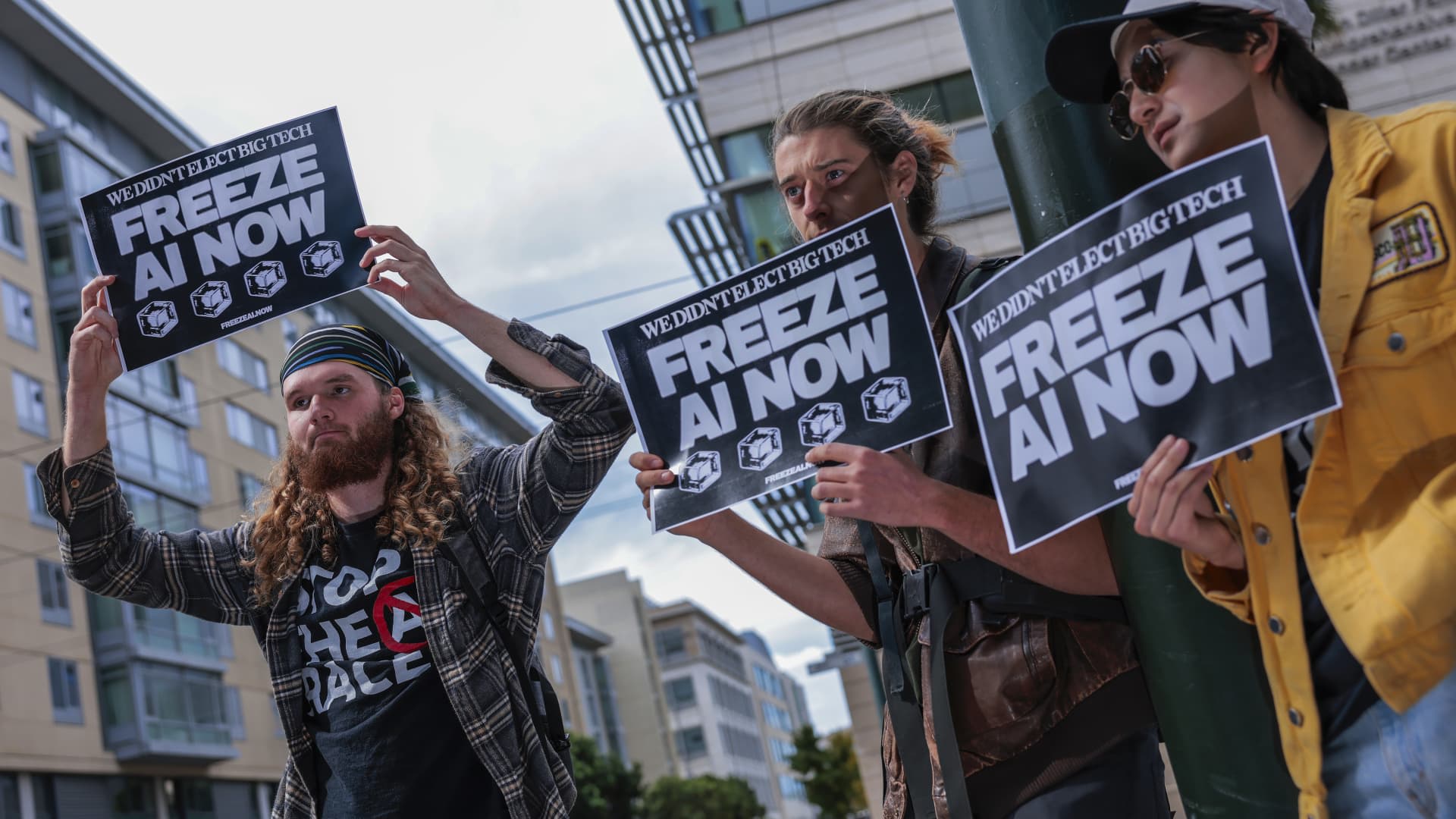
Silicon Valley factions are spending millions in the 2026 midterms, clashing over AI regulation and state versus federal authority. This internal rift highlights the deepening divide between accelerationist groups and those advocating for strict safety safeguards.
The Fracturing of Silicon Valley's Political Influence
The 2026 midterm elections have unveiled a deepening internal rift within Silicon Valley, as tech-aligned political groups pivot from lobbying to direct electoral combat. What was once perceived as a unified industry front has devolved into a high-stakes ideological battleground. With millions of dollars flowing into congressional races, these factions are no longer merely debating policy in corporate boardrooms; they are actively shaping the legislative future of artificial intelligence through the ballot box.
The Financial Arms Race
Recent Federal Election Commission filings, as analyzed through October 20, 2026, reveal a staggering expenditure of approximately $14.9 million combined by competing AI-focused political groups. Pro-accelerationist factions—those advocating for rapid technological deployment and light-touch, uniform federal regulation—have taken a slight lead, spending roughly $8 million. Conversely, groups prioritizing stringent safety safeguards and the preservation of state-level regulatory authority have countered with $6.9 million. This financial parity suggests that the industry is deeply polarized regarding the speed and oversight of AI innovation.
Ideological Fault Lines: Federalism vs. Speed
At the heart of this conflict is a fundamental disagreement over the governance of AI. The pro-accelerationist camp argues that a patchwork of state laws would stifle innovation and hinder the United States' ability to compete globally. Their goal is a streamlined, federal approach that provides legal certainty. On the other side, proponents of strict safeguards argue that AI presents existential and societal risks that require robust, localized oversight. They advocate for empowering states to act as laboratories for regulation, ensuring that specific regional concerns are addressed before a national standard is codified.
A Case Study in Conflict: Florida’s 25th District
The intensity of this friction is perhaps best epitomized in Florida’s 25th Congressional District. Here, the ideological divide transitioned from theoretical debate into a direct electoral confrontation during the primary season. Organizations such as 'Think Big,' an affiliate of 'Leading the Future,' have engaged in aggressive campaign spending, underscoring how local races have become proxies for the broader national debate on AI policy. This localized tactical warfare indicates that the industry is willing to dismantle its own political capital to ensure their preferred regulatory framework prevails.
Broader Implications and Future Trends
This internal civil war within Silicon Valley signals a pivotal shift in how the tech industry interacts with Washington. By positioning themselves on opposite sides of the regulatory spectrum, these groups are forcing legislators to choose between competing visions of the digital future. If this trend continues, we can expect future congressional sessions to be defined by lobbying efforts that are no longer 'tech vs. government,' but rather 'tech vs. tech.'
Conclusion
As the 2026 midterms approach, the spectacle of protesters holding 'Freeze AI Now' signs outside major headquarters serves as a visual manifestation of the volatility surrounding AI development. The outcome of these races will likely dictate the legislative trajectory of AI for the remainder of the decade. The industry's inability to reconcile its internal contradictions suggests that the path toward comprehensive AI regulation will remain fraught with political volatility and ongoing electoral intervention.