Sonam Wangchuk loses 9.5 kg weight after twenty days of hunger strike, vows to 'live till July 20 at any cost'
Source Entity
Latest News: Today's Latest News Headlines from India & World | Hindustan Times | Hindustan Times
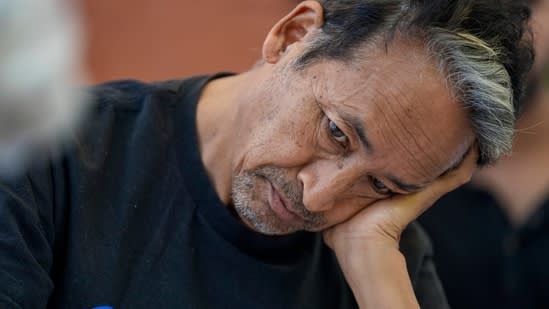
Sonam Wangchuk and AISA activists are conducting high-risk hunger strikes at Jantar Mantar to protest government irregularities and demand the education minister's resignation. Despite critical health warnings and significant weight loss, they vow to continue until a planned Parliament march on July 20.
Escalation of Protests at Jantar Mantar: A Critical Stand for Accountability
Jantar Mantar has once again become the epicenter of intense political dissent as educator and climate activist Sonam Wangchuk, alongside members of the All India Students' Association (AISA), engage in high-stakes hunger strikes. The protests, characterized by a grim determination, have converged into a broader movement against government perceived heartlessness and systemic irregularities. While Wangchuk leads the charge under the banner of the Cockroach Janta Party (CJP), AISA activists have joined in a parallel fast, creating a unified front of student and civil society resistance in the heart of the capital.
The Physical Toll on Sonam Wangchuk
As of July 17, 2026, Sonam Wangchuk's indefinite hunger strike entered its 20th day, leaving him in a medically critical state. According to health bulletins, Wangchuk has lost approximately 9.5 kg, with his weight dropping to 56.55 kilograms. Dr. Satish Lamba, his attending physician, has warned that Wangchuk's body has begun consuming muscle mass, and there is a severe risk that organ failure may follow. Despite these dire warnings, Wangchuk remains mentally alert, with recorded vitals including a blood pressure of 108/68 mm Hg and oxygen saturation at 96 per cent. The severity of his condition prompted the Delhi High Court to intervene, ordering both the Union and Delhi governments to ensure his health is monitored regularly.
AISA's Parallel Fast and Educational Demands
Parallel to Wangchuk's strike, AISA activists Manish, Neha, and Aameen have maintained their own fast for over 20 days. Their protest is specifically targeted at the Union education minister, Dharmendra Pradhan, whose resignation they are demanding following a series of exam leaks and irregularities. Neha Bora, a PhD scholar at Jawaharlal Nehru University (JNU) and national president of AISA, has become a focal point of this struggle. Medical professionals have flagged her condition as particularly precarious, noting a steady decline in her blood sugar levels and a heightened risk of organ failure, echoing the physical crisis facing Wangchuk.
Political Solidarity and Public Support
The hunger strikes have garnered significant attention from the political and cultural spheres. AAP national convenor Arvind Kejriwal has visited Jantar Mantar to express solidarity with Wangchuk, while voices from the opposition and the film industry have rallied in support. This convergence of diverse interest groups indicates that the protests have transcended specific policy demands, evolving into a larger symbolic battle against the government's perceived indifference to public grievances and the integrity of the national education system.
The Strategic Deadline: July 20
The protesters have set a definitive target: July 20, which coincides with the opening day of the monsoon session of Parliament. Wangchuk has vowed to "stay alive till July 20 at any cost," viewing this date as the critical window to maximize the impact of the Cockroach Janta Party’s proposed peaceful march to Parliament. By aligning the climax of their fast with the start of the legislative session, the activists aim to force a government response and ensure that their demands regarding education and governance are addressed on the national stage.
Conclusion: A Precarious Balance of Power
The current situation at Jantar Mantar represents a dangerous intersection of political resolve and physical fragility. With both Wangchuk and the AISA activists facing potential organ failure, the stakes have shifted from political negotiation to a fight for survival. The government now faces a critical juncture: either address the grievances regarding exam irregularities and reform or risk a public tragedy that could further galvanize opposition and student unrest across the country.
Multiple Citing Sources
Verification Required?