No private hospital transfer for Sonam Wangchuk as court upholds forcible removal
Source Entity
Sohini Ghosh
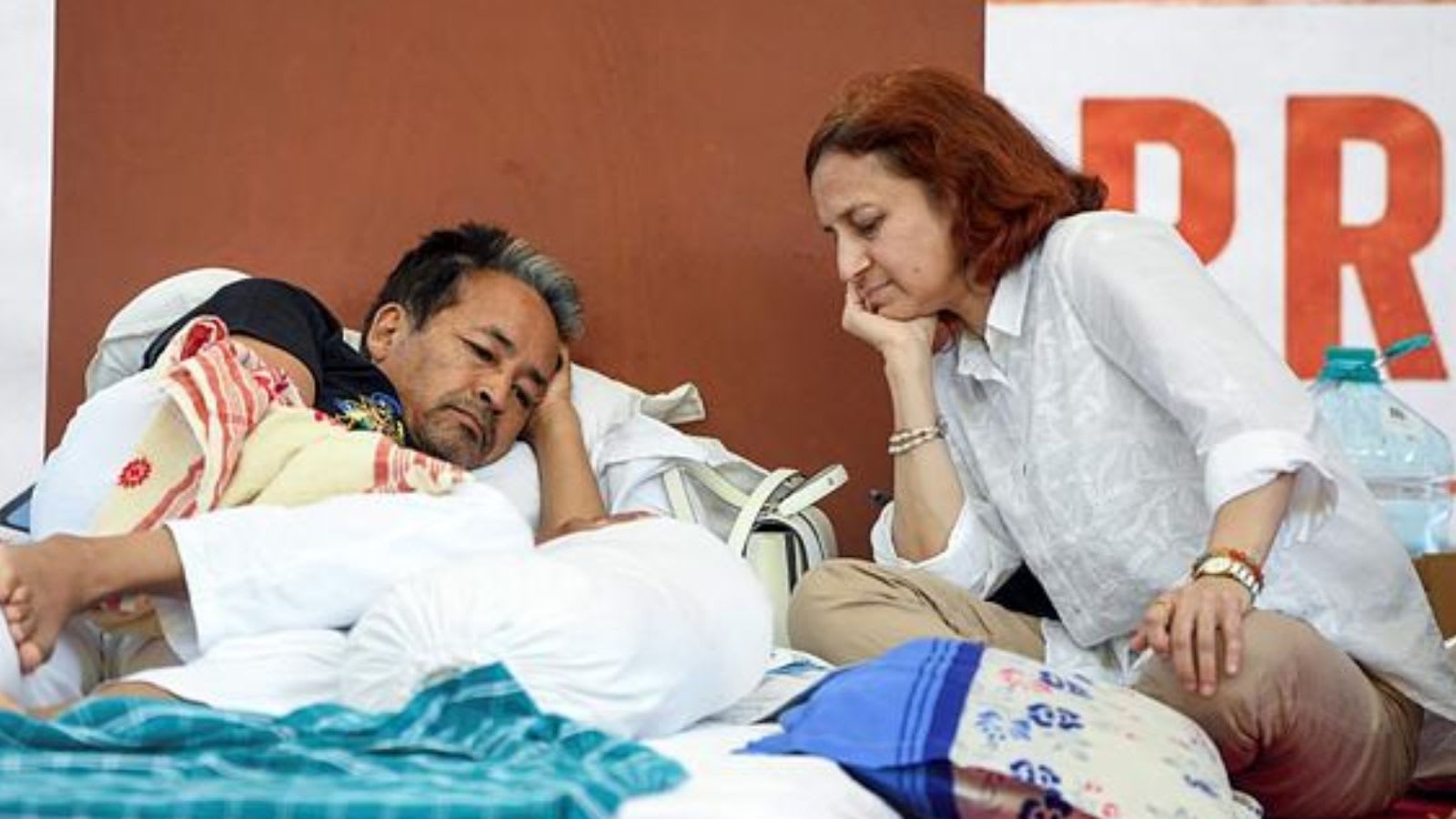
Climate activist Sonam Wangchuk has been shifted to Safdarjung Hospital following a 21-day hunger strike. His family has demanded medical transparency, while tensions persist following allegations of police action against protestors.
The Hospitalization of Sonam Wangchuk: A Critical Juncture
On July 18, 2026, climate activist and educator Sonam Wangchuk was moved by the Delhi Police to Safdarjung Hospital. This intervention occurred as his indefinite hunger strike, aimed at highlighting pressing regional concerns, reached its 21st day. The Delhi Deputy Commissioner of Police (DCP) confirmed the transfer, citing the necessity of essential medical care and adherence to orders issued by the Delhi High Court, alongside expert medical advice regarding his deteriorating health.
Medical Sovereignty and Family Concerns
The transition from the protest site to a clinical setting has raised significant questions regarding the activist’s autonomy and care. His wife, Gitanjali J. Angmo, who is currently at Safdarjung Hospital, has issued a firm demand for transparency. She has explicitly stated that no medical procedures, whether oral or intravenous, should be administered without the express consent of his family and his personal medical team, who have monitored his condition throughout the three-week fast.
The Volatility of the Protest Environment
The situation at the protest site remains fraught with tension. Reports from the ground indicate that the 'Cockroach Janta Party' has leveled serious allegations against the Delhi Police, accusing them of lathi-charging students gathered at Jantar Mantar. This development adds a layer of complexity to the narrative, as the protest—which reportedly originated from social media satire—has evolved into one of the most significant public demonstrations in recent memory.
Broader Implications of Civil Disobedience
Sonam Wangchuk’s hunger strike underscores the power of sustained civil disobedience in the digital age. By leveraging social media to amplify local grievances, activists like Wangchuk have successfully captured national attention, forcing state institutions to respond to their demands. The involvement of the Delhi High Court in ordering medical intervention suggests that the state is balancing its duty to maintain public order with the constitutional right to life and individual health.
Future Trends in Activism
Looking forward, the hospitalization of a high-profile activist often marks a turning point in public discourse. The transition from active protest to medical observation forces a shift in the dialogue from the movement's objectives to the health and safety of the leadership. As the 'Cockroach Janta Party' and other supporters continue to monitor the situation, the movement faces the challenge of maintaining momentum while its primary voice is incapacitated by health complications resulting from the protest.
Conclusion
The hospitalization of Sonam Wangchuk is a critical development in an ongoing socio-political movement. While authorities emphasize the necessity of medical intervention for his survival, the insistence of his family on medical transparency highlights the deep distrust between the protesters and state machinery. As the situation unfolds, the focus will likely remain on Wangchuk's recovery and the potential for a renewed dialogue between the movement's organizers and the government.
Multiple Citing Sources