'Tear gas guns arrived': CJP says BJP 'goons', Delhi Police lurking to 'create mischief'
Source Entity
TOI NEWS DESK
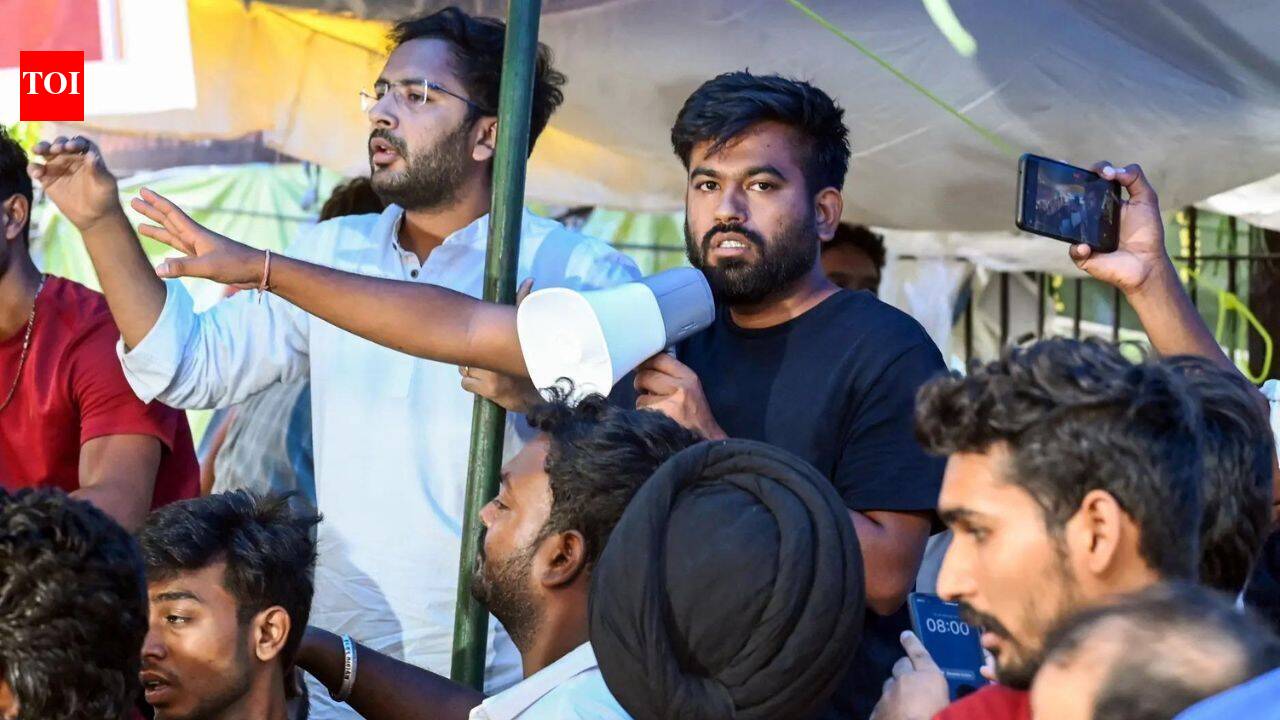
Climate activist Sonam Wangchuk has been shifted to Safdarjung Hospital following a 21-day hunger strike. His hospitalization occurred under Delhi High Court orders, amidst reports of protests and police detention at Jantar Mantar.
The Hospitalization of Sonam Wangchuk: A Critical Turning Point
On July 18, 2026, the prolonged hunger strike led by educator and climate activist Sonam Wangchuk reached a significant juncture when he was forcibly shifted from his protest site to Safdarjung Hospital in New Delhi. Having completed 21 days of fasting, Wangchuk’s health had reportedly reached a critical state, prompting intervention by the Delhi Police. This action was reportedly executed under the specific orders of the Delhi High Court and based on expert medical advice, citing the necessity for essential medical care.
The Legal and Medical Framework of the Intervention
The decision to relocate Wangchuk was not merely a law-and-order measure but one framed by judicial oversight. By involving the Delhi High Court, the authorities sought to mitigate the risks associated with a multi-week hunger strike. His wife, Gitanjali J. Angmo, has since asserted strict control over his medical treatment, demanding that no oral or intravenous substances be administered without express consent from her and his long-term medical team. This highlights the tension between state-mandated health interventions and the autonomy of a protestor.
Escalating Tensions at Jantar Mantar
The context of this hospitalization is marked by broader unrest at the Jantar Mantar protest site. Reports indicate that the situation escalated significantly, with the 'Cockroach Janta Party'—a group known for utilizing social media satire—accusing the Delhi Police of using lathi-charges against students present at the site. The detention of figures like Abhijeet Dipke underscores a hardening stance by law enforcement toward the activists and supporters who have rallied behind Wangchuk’s cause.
The Rise of Digital Activism
What makes this protest particularly notable is the evolution of the 'Cockroach Janta Party' from a satirical social media presence into a focal point for large-scale physical demonstration. This transition reflects a modern trend in Indian political activism, where online discourse rapidly translates into high-stakes, real-world hunger strikes. The ability of such groups to mobilize crowds at Jantar Mantar suggests a shift in how political grievances are packaged and presented to the public.
Historical Context and Future Implications
Long-term hunger strikes in India have historically served as powerful catalysts for policy review, yet they also pose severe logistical and ethical dilemmas for the state. As Wangchuk remains under medical supervision, the focus shifts to whether his physical removal will dampen the spirit of the protest or serve as a rallying cry for his supporters. The coming days will be critical in determining whether the state can manage the health of the activist while simultaneously addressing the underlying demands that fueled this 21-day standoff.
Multiple Citing Sources