'Not conducive to patient's care': Safdarjung hospital responds to Wangchuk wife's claims
Source Entity
TOI NEWS DESK
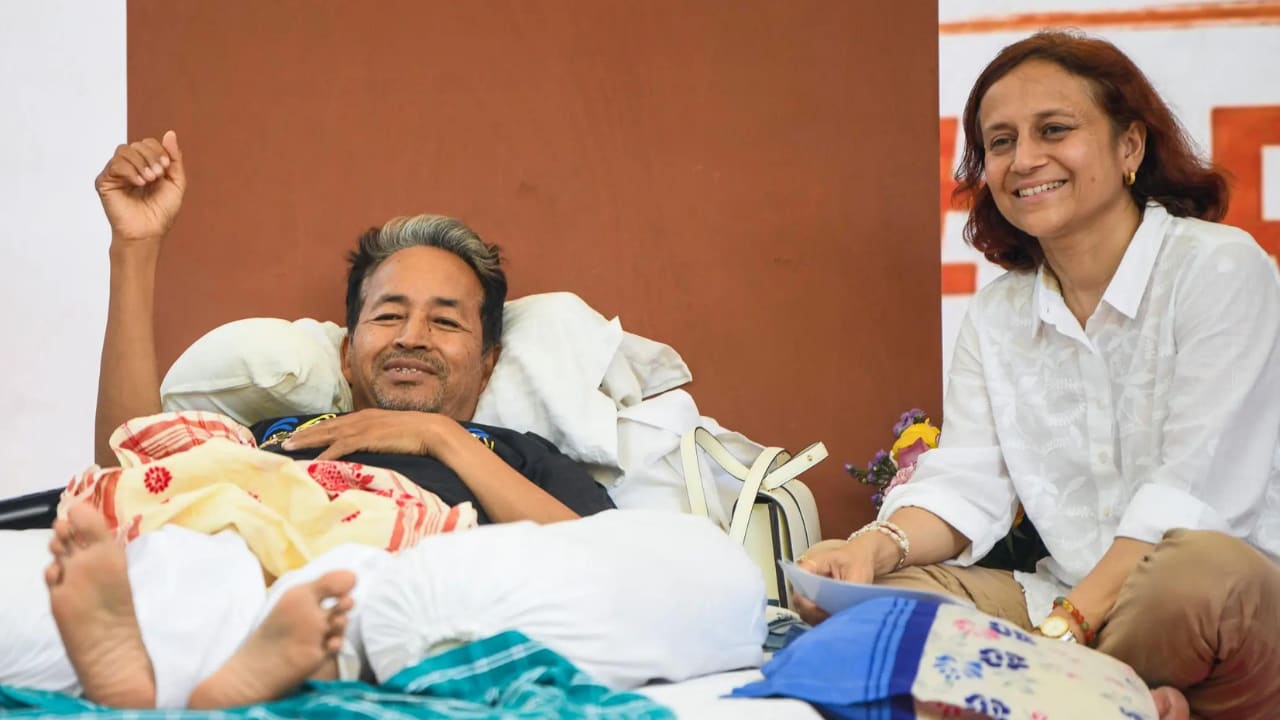
Climate activist Sonam Wangchuk has been shifted to Safdarjung Hospital following a 21-day hunger strike. His family has demanded medical transparency, while tensions persist following allegations of police action against protestors at Jantar Mantar.
The Hospitalization of Sonam Wangchuk: A Critical Turning Point
On July 18, 2026, the ongoing protest led by educator and climate activist Sonam Wangchuk reached a critical juncture. After maintaining an indefinite hunger strike for 21 days, Wangchuk was forcibly shifted to Safdarjung Hospital by the Delhi Police. According to the New Delhi Deputy Commissioner of Police’s office, this intervention was carried out in compliance with Delhi High Court orders and expert medical advice, citing the activist's rapidly deteriorating physical condition.
Medical Status and Family Concerns
While official reports indicate that Wangchuk remains conscious and his vitals are currently stable, the situation has prompted significant concern from his family. His wife, Gitanjali J. Angmo, has issued a strict directive regarding his medical management. She insists that no oral or intravenous treatments be administered without the explicit consent of his family and the personal medical team that has monitored his health throughout the three-week fast.
Escalating Tensions at Jantar Mantar
The atmosphere surrounding the protest has become increasingly volatile. Reports have emerged from the 'Cockroach Janta Party' accusing the Delhi Police of using lathi-charges against students and supporters gathered at the Jantar Mantar protest site. This alleged use of force has added another layer of complexity to the demonstration, which has evolved from a niche social media satire into a large-scale public movement in the heart of the national capital.
The Intersection of Activism and State Response
The removal of Wangchuk highlights the delicate balance between the state's duty to preserve life and the rights of citizens to engage in prolonged protest. By citing judicial orders, the administration is attempting to frame the hospitalisation as a humanitarian necessity, yet the detention of key figures like Abhijeet Dipke suggests a broader effort to contain the movement's momentum.
Broader Implications and Future Trends
This event underscores a growing trend in Indian civil society where digital-native protest movements—often originating as satire—rapidly transition into high-stakes physical demonstrations. As the protest enters its next phase, the focus will likely shift toward whether the authorities will allow the movement to continue or if this intervention marks the beginning of a systematic dispersal. The coming days will be vital in determining the health of the activist and the resilience of his supporters in the face of increased state scrutiny.
Multiple Citing Sources