'If it fails, I'll return as a ghost': Wangchuk ahead of July 20 Parliament march
Source Entity
TOI CITY DESK
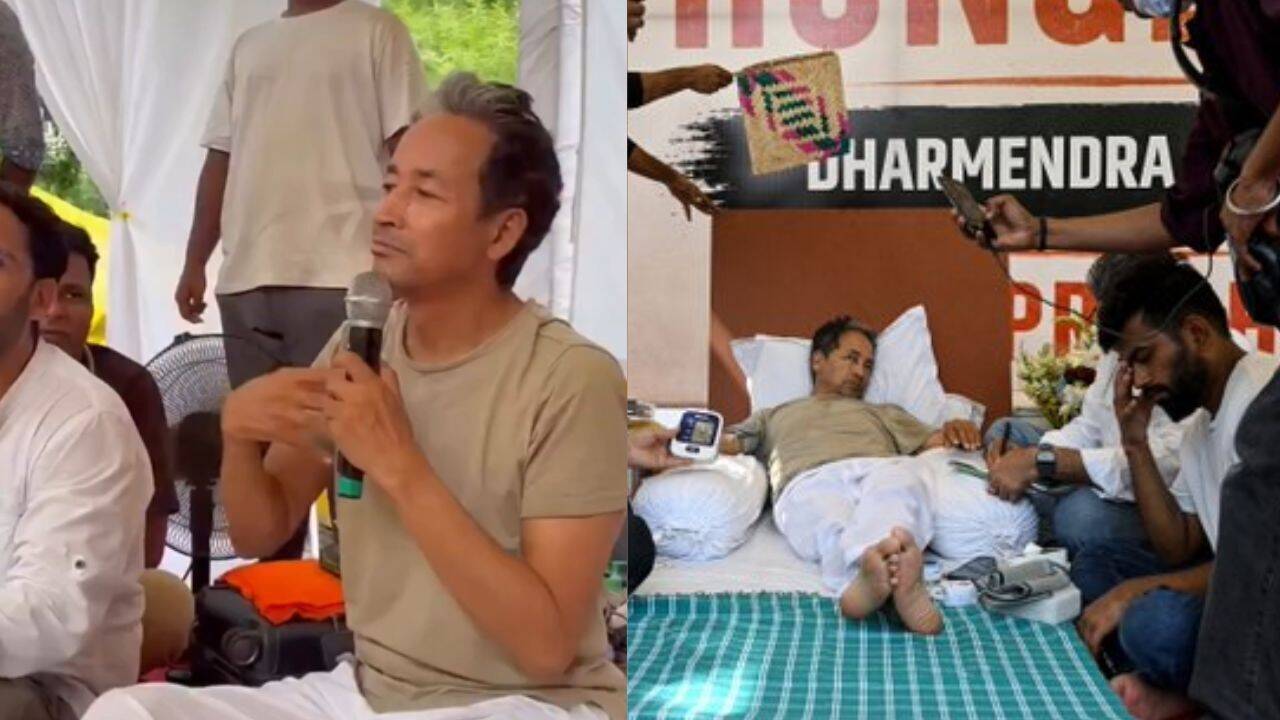
Sonam Wangchuk has entered the 20th day of his hunger strike, vowing to lead a march to Parliament on July 20. He expressed extreme determination, stating he would 'return as a ghost' if the movement fails.
The Stakes of Resistance: Sonam Wangchuk’s March to Parliament
Sonam Wangchuk, the renowned innovator and climate activist from Ladakh, has reached a critical juncture in his protest, entering the 20th day of a rigorous hunger strike. The gravity of the situation is underscored by his poignant declaration: "If it fails, I'll come back as a ghost." This statement is not merely rhetorical; it reflects the deep-seated desperation and resolve of the people of Ladakh, who feel their cultural and environmental identity is at risk. The planned march to Parliament on July 20 serves as the culmination of this phase of activism, aiming to force a direct confrontation between the regional demands of Ladakh and the central government's policy.
The Core of the Conflict: Constitutional Safeguards
To understand the intensity of Wangchuk's hunger strike, one must look at the broader context of Ladakh's political status. Since the reorganization of Jammu and Kashmir, Ladakh has been a Union Territory without a legislature. The primary driver of this protest is the demand for the inclusion of Ladakh in the Sixth Schedule of the Indian Constitution. This specific legal framework would provide tribal areas with significant autonomy to manage their own land, forests, and water resources. For Wangchuk and his supporters, this is not just a political request but a survival mechanism to protect the fragile Himalayan ecosystem from unchecked industrialization and demographic shifts.
The Strategy of Non-Violent Pressure
Wangchuk's choice of a hunger strike as a tool of protest is a strategic invocation of Satyagraha—the philosophy of non-violent resistance. By pushing his body to the limit over 20 days, he is leveraging moral authority to draw national and international attention to a region that is often overlooked in the mainstream political discourse. The decision to transition from a stationary fast to a physical march toward Parliament on July 20 signifies a shift from passive endurance to active demand. This progression is designed to create a visible, physical manifestation of the Ladakhi struggle in the heart of India's democratic power center.
Geopolitical and Environmental Implications
Beyond the immediate political demands, the situation in Ladakh carries significant geopolitical weight. Given its strategic location bordering China and Pakistan, the stability and contentment of the local population are paramount for national security. A disenfranchised local population in a sensitive border zone can lead to long-term instability. Furthermore, Wangchuk's role as an environmentalist ties this political struggle to the global climate crisis. Protecting the "Third Pole" (the glaciers of the Himalayas) is essential for the water security of millions across Asia, making the demand for local environmental governance a matter of global ecological importance.
The "Ghost" Narrative and the Psychology of Protest
The phrase "return as a ghost" serves as a powerful psychological anchor for the movement. It suggests that the cause transcends the physical existence of the leader. In the history of social movements, such declarations often serve to galvanize the youth and the marginalized, turning a political demand into a moral crusade. By framing the failure of the march as a personal and spiritual tragedy, Wangchuk is raising the stakes for the government, implying that the legacy of this struggle will haunt the administration if the legitimate concerns of the Ladakhi people are ignored.
Predicting Future Trends and Outcomes
The events of July 20 will likely dictate the trajectory of Ladakh's relationship with the Union government for years to come. If the march results in a concrete dialogue or the granting of Sixth Schedule protections, it will be seen as a victory for grassroots activism and a validation of the Sixth Schedule as a tool for regional preservation. Conversely, if the march is suppressed or ignored, it may lead to a more hardened stance among the Ladakhi populace, potentially evolving from peaceful protests into more systemic civic unrest. The government's response will be a litmus test for its approach toward regional autonomy in Union Territories.
Conclusion
Sonam Wangchuk's 20-day hunger strike and his impending march to Parliament represent a high-stakes gamble for the future of Ladakh. By intertwining environmental preservation with constitutional rights, Wangchuk has transformed a local grievance into a national conversation about autonomy and ecology. As the July 20 deadline approaches, the focus remains on whether the central government will recognize the urgency of these demands or allow a peaceful movement to reach a breaking point.