SpaceX's first-ever earnings show higher revenues and huge spending
Source Entity
BBC News
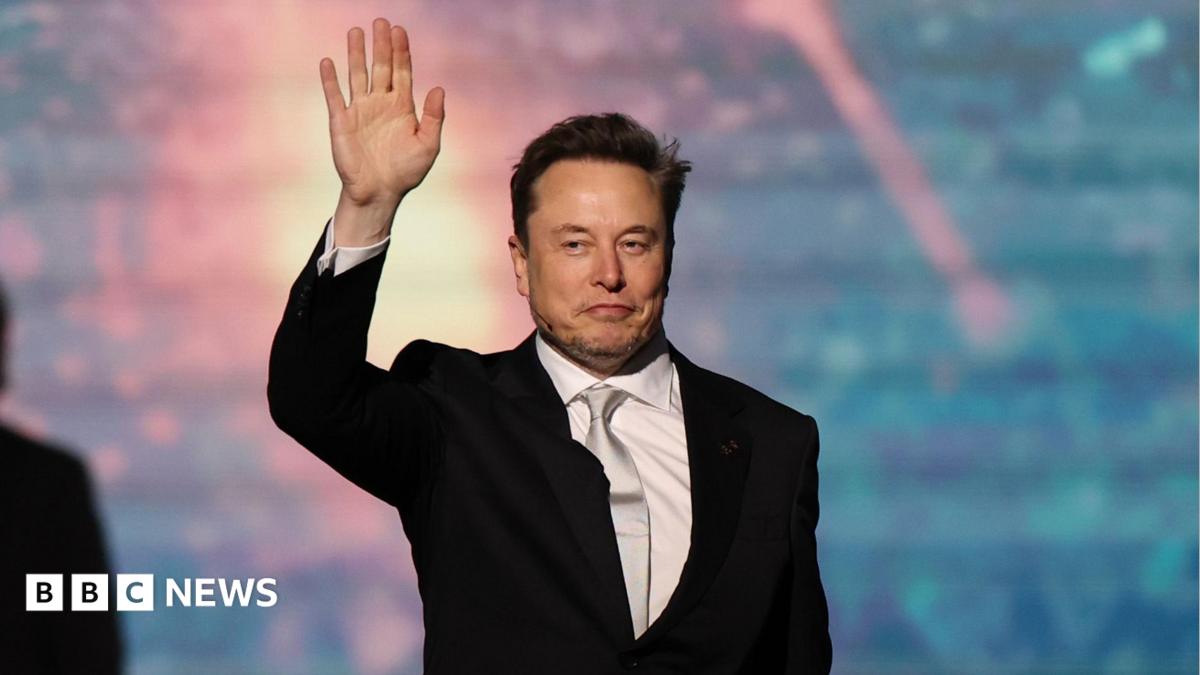
SpaceX's inaugural earnings report reveals a 92% revenue surge alongside a massive 550% increase in spending, primarily driven by aggressive AI investments. The company's stock fell 9% as investors reacted cautiously to the widening gap between ambitious expansion costs and immediate profitability.
SpaceX's Financial Debut: A Visionary Gamble
SpaceX, the aerospace powerhouse led by Elon Musk, has officially entered the public markets, marking a significant transition from a private venture to a publicly traded entity. Following its historic IPO in June, the company released its first-ever quarterly earnings report, which paints a complex picture of rapid growth paired with unprecedented capital expenditure. While the company saw revenue jump by 92% to $7.8 billion, this figure is overshadowed by a staggering $18.3 billion in spending—an increase of more than 550% compared to the previous year.
The AI Spending Paradox
A critical factor in this spending surge is the company's massive investment in artificial intelligence. Reports indicate that over 80% of SpaceX's capital expenditures have been funneled into AI infrastructure. While executives attempted to reassure Wall Street by claiming these investments would yield returns within a year, the market reaction was tepid. The disconnect between Musk’s long-term, futuristic vision and the immediate financial scrutiny of public shareholders suggests a challenging road ahead for the company’s leadership.
The Musk Management Style
The inaugural earnings call highlighted the distinct dynamic between Elon Musk and his executive team, including CFO Bret Johnsen and COO Gwynne Shotwell. Musk frequently inflated the optimistic projections presented by his colleagues, opting to focus on ambitious, long-term goals rather than the granular details of current business operations. This management style, which mirrors his approach at Tesla, creates a tension between the company’s pursuit of industry-disrupting innovation and the reality of meeting quarterly analyst expectations.
Market Reaction and Investor Sentiment
Following the earnings announcement, SpaceX stock suffered a 9% decline in after-hours trading, effectively erasing the gains achieved during the day. This volatility reflects investor anxiety regarding the company’s net loss of $2 billion in the first six months of the year. Despite SpaceX’s previous success in briefly eclipsing tech giants like Microsoft and Amazon in valuation, the market is now demanding a more concrete demonstration of fiscal discipline alongside technological advancement.
Future Trends and Strategic Implications
Looking forward, SpaceX faces the dual challenge of scaling its Starlink satellite internet and rocket production while maintaining the massive computational infrastructure required for its AI initiatives. If the company fails to prove that its AI-heavy capital expenditure can generate sustainable margins in the near term, it risks continued stock price volatility. The company must now balance the visionary, high-stakes promises of its leadership with the pragmatic, bottom-line focus required of a public corporation to regain and maintain investor enthusiasm.
Multiple Citing Sources