SpaceX gave investors intense FOMO. Now the decade’s hottest IPO represents a brutal reality check.
Source Entity
Matthew Fleissig
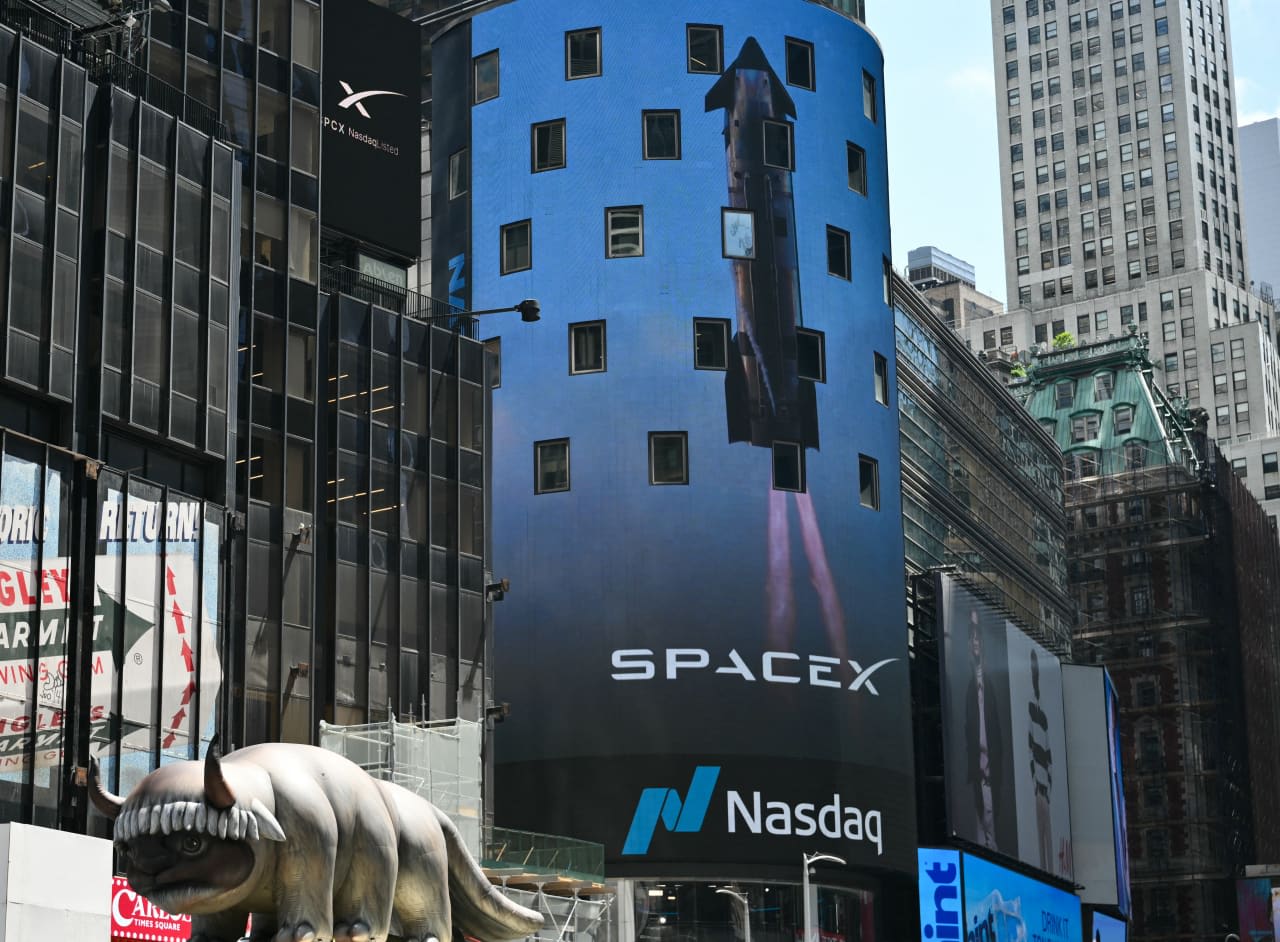
The intense market anticipation surrounding a potential SpaceX IPO serves as a cautionary tale for investors. Experts warn that prioritizing hype over diligent analysis of fine-print disclosures can lead to significant financial risks.
The Perils of Hype: Analyzing the SpaceX IPO Narrative
The Allure of the Extraordinary
For years, SpaceX has occupied a unique position in the public consciousness, captivating retail and institutional investors alike with its ambitious goals of multi-planetary colonization and revolutionary satellite deployment. This narrative of innovation has generated an intense 'Fear Of Missing Out' (FOMO), driving significant unofficial interest in the company's valuation. However, as the market eyes a potential initial public offering (IPO), the excitement often obscures the fundamental financial mechanics that define a company's true health.
The Danger of Skipping the Fine Print
At the heart of the current market discourse is a critical warning: the danger of chasing high-profile IPOs without scrutinizing the underlying documentation. When investors are swept up in the momentum of a brand, the 'fine print'—which includes debt structures, cash burn rates, and long-term regulatory hurdles—is frequently ignored. This behavior creates a disconnect between market valuation and fiscal reality, leading to volatility once the initial excitement of an IPO settles.
The Reality Check of Public Markets
Moving from a private entity to a public one forces a shift in transparency. While SpaceX has successfully navigated capital raises in the private sector, public markets demand a different level of scrutiny. The 'brutal reality check' mentioned in recent reports highlights that public shareholders are often less forgiving than private venture capital partners. Investors must reconcile the company’s vision with the pressure to deliver consistent quarterly earnings, a challenge that has historically humbled many high-growth technology firms.
Broader Implications for Tech Investing
This scenario is emblematic of a broader trend in the modern financial landscape, where 'hype-driven' investing often supersedes traditional value analysis. The SpaceX example serves as a proxy for how retail investors, fueled by social media sentiment and speculative fervor, may miscalculate the risks associated with capital-intensive industries like aerospace. The long-term success of such an IPO will ultimately depend on the company's ability to transition from a venture-backed growth model to a sustainable, dividend-or-growth-positive public corporation.
Navigating Future Trends
Looking ahead, the evolution of the space sector will likely test the resilience of investors who prioritize narrative over data. As the aerospace industry becomes increasingly crowded, the competitive landscape will shift from mere technical achievement to economic efficiency. Investors who do not conduct rigorous due diligence—paying close attention to the fine print—risk being caught in the downdraft of market corrections. The lesson is clear: in the world of high-stakes IPOs, the most important information is rarely found in the headlines, but rather in the dense, technical disclosures that define the company's fiscal future.
Verification Required?