Wildfires burn nearly 300,000 acres in France and Spain as heat wave looms
Source Entity
US Top News and Analysis
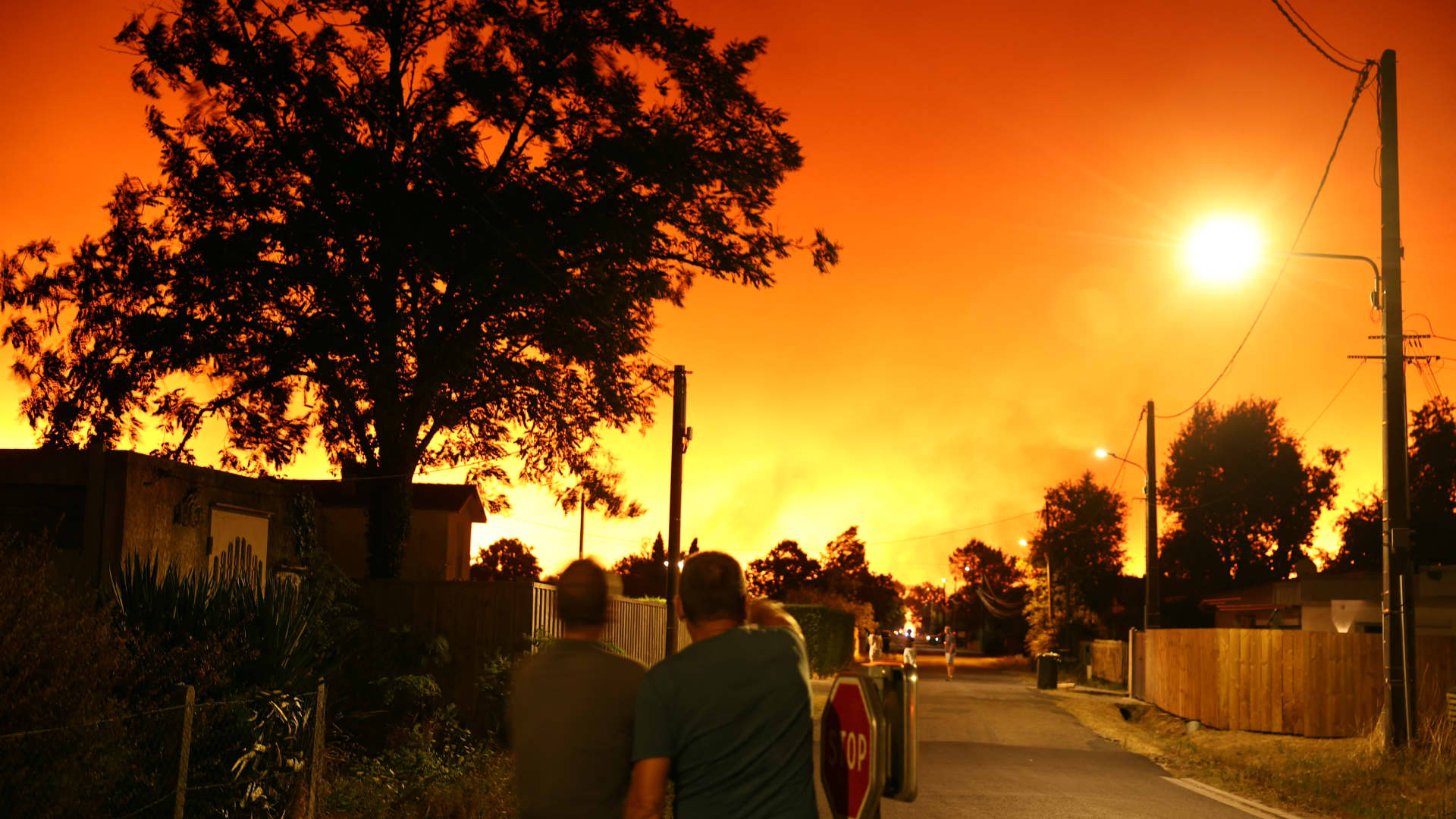
Spain and France are battling massive, record-breaking wildfires exacerbated by an intense heatwave with temperatures approaching 40C. Over 300,000 people have been evacuated, with authorities struggling to contain the blazes as fire danger levels reach extreme peaks.
The Mediterranean Inferno: A Crisis of Unprecedented Scale
Spain and France are currently grappling with a series of catastrophic wildfires that have devastated nearly 300,000 acres of land. Described by officials as a "war zone" and potentially the "biggest natural catastrophe in the history of Spain," these fires have forced the mass evacuation of approximately 300,000 residents and tourists across both nations. The scale of the destruction is staggering, with 240 homes already confirmed destroyed in France alone, as the region faces an environmental emergency that shows little sign of immediate abatement.
The Role of Extreme Heat
The intensity of these fires is inextricably linked to an impending, prolonged heatwave. Meteorological agencies, including Spain’s Aemet, have issued dire warnings as temperatures are expected to climb toward 40C (104F). This extreme heat is not merely a contributing factor; it is a force multiplier that hinders firefighting efforts by lowering humidity and drying out vegetation, which serves as fuel for the flames. With the heatwave forecast to persist through the weekend, the fire danger level has reached "extreme" status, complicating containment strategies.
Regional Impact and Evacuations
The human cost of this disaster is profound. In the Madrid region, over 56,500 people have been evacuated, with an additional 27,797 ordered to shelter in place. Beyond Madrid, Ávila, Toledo, and Valencia have also seen significant displacement. In France, the Gironde region has been the focal point of the crisis. The evacuation of 4,000 tourists from coastal campsites near Lacanau highlights the disruption to the region's socio-economic stability during the peak summer season, compounding the trauma of the 220,000 others displaced across the country.
Operational Challenges and Law Enforcement
Firefighting operations remain precarious. In France, 93 firefighters have sustained injuries while battling the blazes, illustrating the physical risks inherent in combating fires of this magnitude. While officials in Gironde reported a moment of stabilization, the volatile nature of the weather means that fires can flare up with little warning. Simultaneously, authorities are investigating the human element of the crisis; in France, 184 arrests have been made since July 6 in connection with the fires, including a 23-year-old suspect facing up to 15 years in prison for alleged arson.
Future Trends and Broader Implications
The current crisis serves as a stark indicator of the increasing frequency and severity of extreme weather events in Southern Europe. The combination of prolonged heatwaves and massive wildfire outbreaks points to a future where regional infrastructure and civil protection services will be under constant pressure. As authorities shift from reactive firefighting to long-term crisis management, the lessons learned from this week’s evacuations and the legal crackdowns on arson will likely dictate future policy, focusing on both climate resilience and strict enforcement of fire safety regulations to prevent such widespread destruction from becoming the new normal.
Multiple Citing Sources