To plug winter evening shortage, 6 states seek extra power via short-term tenders
Source Entity
Pratyush Deep
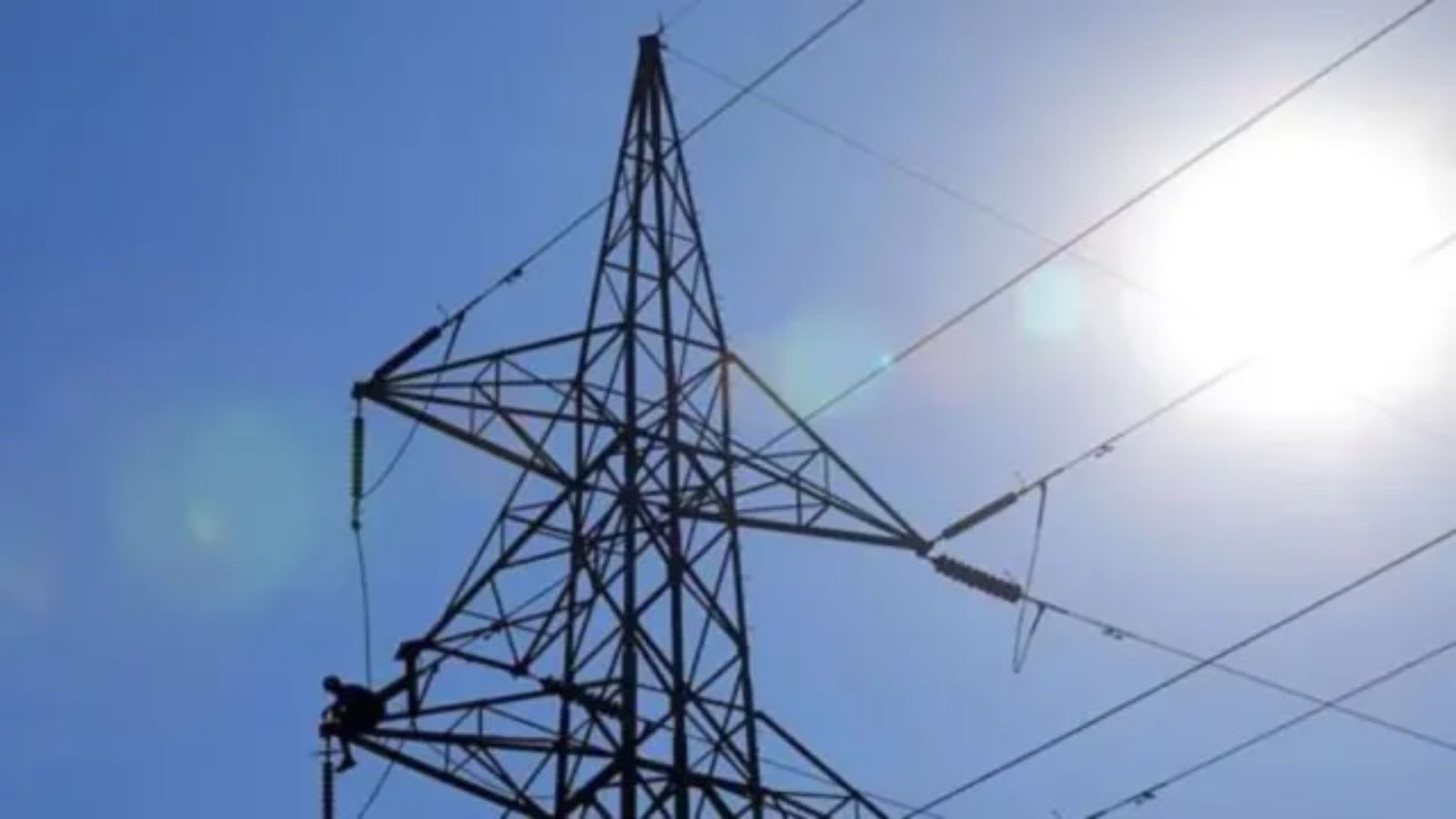
Six Indian states are issuing short-term power tenders to address electricity shortages during peak evening hours. Driven by rising demand and volatile weather, these states are securing supplies at prices reaching up to Rs 41.50 per unit.
India's Urgent Power Strategy: Addressing Seasonal Shortfalls
As the winter season approaches, the Indian power sector is grappling with a precarious supply-demand balance. At least six states—Gujarat, Rajasthan, Maharashtra, Madhya Pradesh, Tamil Nadu, and Kerala—have taken the proactive step of issuing short-term tenders to bolster their electricity reserves. This move is primarily intended to mitigate the risk of load shedding during the critical evening peak hours, a time when solar generation drops off and domestic demand spikes.
The Drivers of Demand: Weather and Economic Growth
The necessity for these emergency procurements stems from a combination of unusual weather patterns and an overall increase in electricity consumption. As India’s industrial activity expands and urbanization continues, the baseline demand for power has shifted upward. When extreme weather events disrupt standard generation patterns, the reliance on short-term market procurement via the Ministry of Power’s DEEP (Discovery of Efficient Electricity Price) portal becomes a vital safety valve for state distribution companies (DISCOMs).
Economic Implications of Price Volatility
The data from the DEEP portal reveals a stark reality regarding the cost of supply security. With bid prices ranging from Rs 8.99 to as high as Rs 41.50 per unit, the financial burden on state utilities is significant. These prices reflect the scarcity premium in the short-term market, where supply is limited and demand is inelastic. States must now balance the political and economic necessity of keeping the lights on with the fiscal constraints of purchasing high-cost power.
Forward Planning and Future Trends
Recognizing that the issue extends beyond the winter months, several states, including Delhi, Gujarat, and Maharashtra, have already floated tenders for power procurement extending into the first half of the next calendar year. This shift toward advance procurement indicates a transition from reactive crisis management to a more strategic, long-term planning approach. By securing supply through April and May, these states aim to stabilize their grids against the heat-driven demand spikes often seen in early summer.
Challenges in Market Procurement
Despite the clear intent to secure power, the process remains fraught with difficulty. The context notes that many states have been unable to successfully procure the full volumes they require. This suggests a supply-side bottleneck in the short-term market, where even at high price points, available generation capacity is insufficient to meet the collective appetite of multiple states simultaneously. This gap highlights the urgent need for long-term capacity expansion and a more robust infrastructure to handle seasonal demand shifts.
Conclusion
The current situation underscores the complexity of managing India’s energy transition. As states work to navigate the immediate winter shortage, the focus must remain on diversifying energy sources and improving grid efficiency. The reliance on the DEEP portal serves as a temporary fix, but long-term energy security will depend on sustainable generation investments that can withstand the volatility of both climate patterns and market pricing.