Iran and Oman discuss joint shipping route in Strait of Hormuz and mine clearing mission
Source Entity
US Top News and Analysis
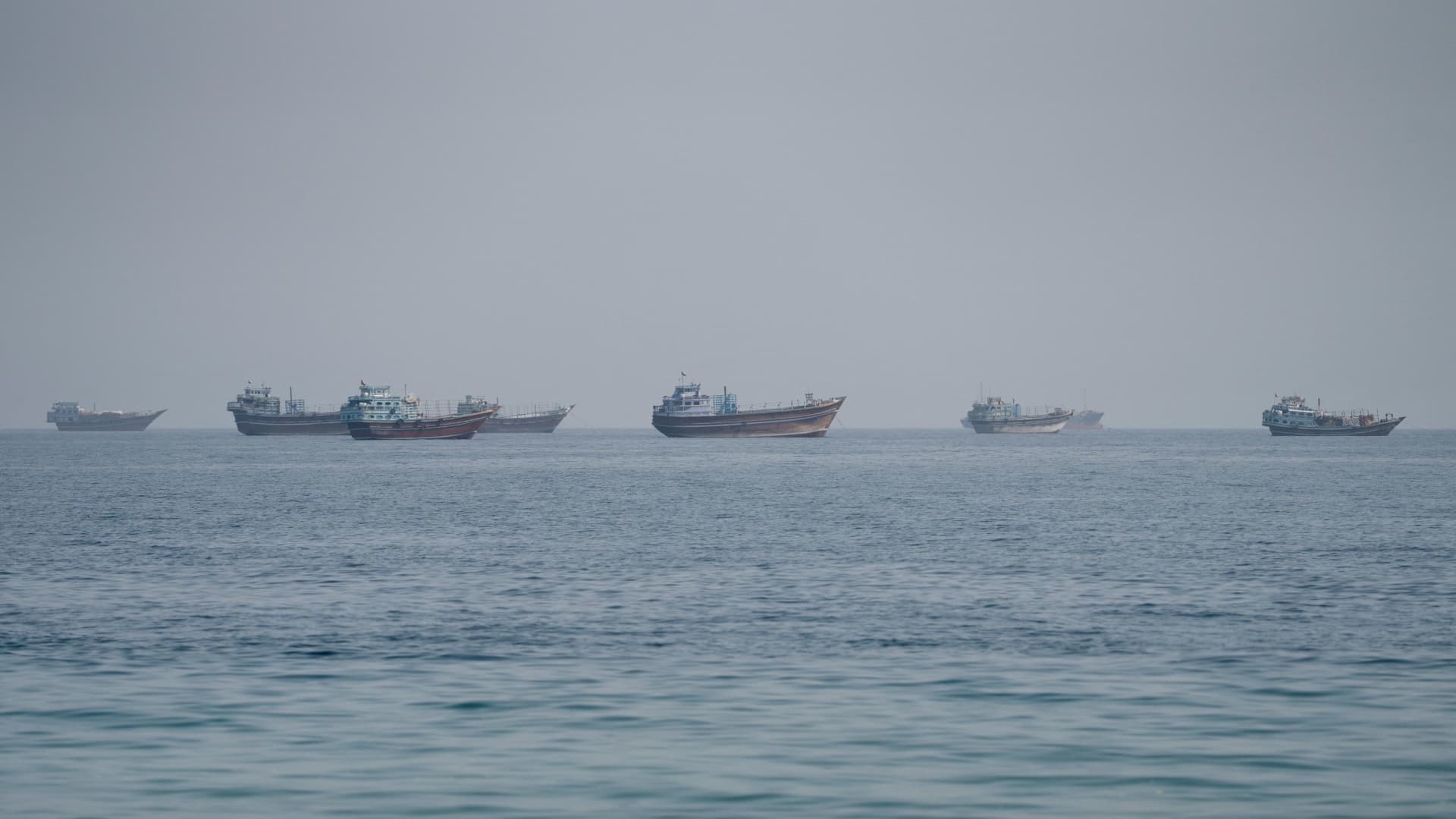
The US has claimed the removal of mines from the Strait of Hormuz, while Iran and Oman are simultaneously negotiating a joint corridor to restore safe navigation. These developments follow significant global oil market volatility caused by the waterway's closure since the conflict began in February.
The Strategic Crisis in the Strait of Hormuz
The Strait of Hormuz, a critical maritime chokepoint, has remained largely closed since the onset of the conflict on February 28, triggered by actions involving the United States and Israel. This closure has sent shockwaves through the global economy, as approximately 20% of the world’s oil and liquefied natural gas (LNG) previously transited this narrow passage. The resulting uncertainty has induced wild fluctuations in energy prices, highlighting the vulnerability of global supply chains to regional geopolitical instability.
The US Military Stance
US President Donald Trump recently announced that the US Navy has successfully removed or detonated all mines within the Strait. This operation serves as a direct challenge to the Iranian strategy of obstructing the corridor. In a stern warning issued via Truth Social, the President stated that any vessel found placing new mines would be subject to immediate and systematic destruction. This reflects a broader US policy of asserting control over the area, despite ongoing friction with Iranian forces that have previously fired upon vessels attempting to transit without permission.
Diplomatic Maneuvers: The Iran-Oman Initiative
While the US focuses on unilateral security, Iran and Oman have embarked on a parallel diplomatic track. In recent meetings between Iranian diplomat Seyed Abbas Araghchi and Omani Foreign Minister Sayyid Badr bin Hamad Albusaidi, the two nations discussed a proposal for a temporary joint shipping route. This initiative aims to establish a collaborative framework for mine clearance and to restore safe navigation through the corridor, signaling a desire to stabilize the flow of goods independently of the US-led security narrative.
The Need for Regional Cooperation
Central to the Omani proposal is the necessity of inclusive dialogue. Both Tehran and Muscat have emphasized the importance of holding joint discussions with other states bordering the Gulf. This suggests that a sustainable solution to the navigation crisis may require a multilateral consensus rather than merely military intervention. The goal is to move beyond temporary fixes toward a permanent agreement that ensures the security of energy exports for the international community.
Broader Economic and Geopolitical Implications
The situation remains highly fluid. The intersection of US military assertions and the Iranian-Omani diplomatic efforts creates a complex environment where the risk of escalation remains high. If the joint corridor project gains traction, it could provide a path to de-escalation; however, it remains to be seen if such a project can coexist with the US mandate for maritime security. The world continues to watch closely, as the stability of the Strait of Hormuz remains the single most significant factor in preventing further volatility in global energy markets.
Multiple Citing Sources