Russia Can Now Seize Companies That Fail To Stop Ukrainian Drone Attacks
Source Entity
NDTV News Search Records Found 1000
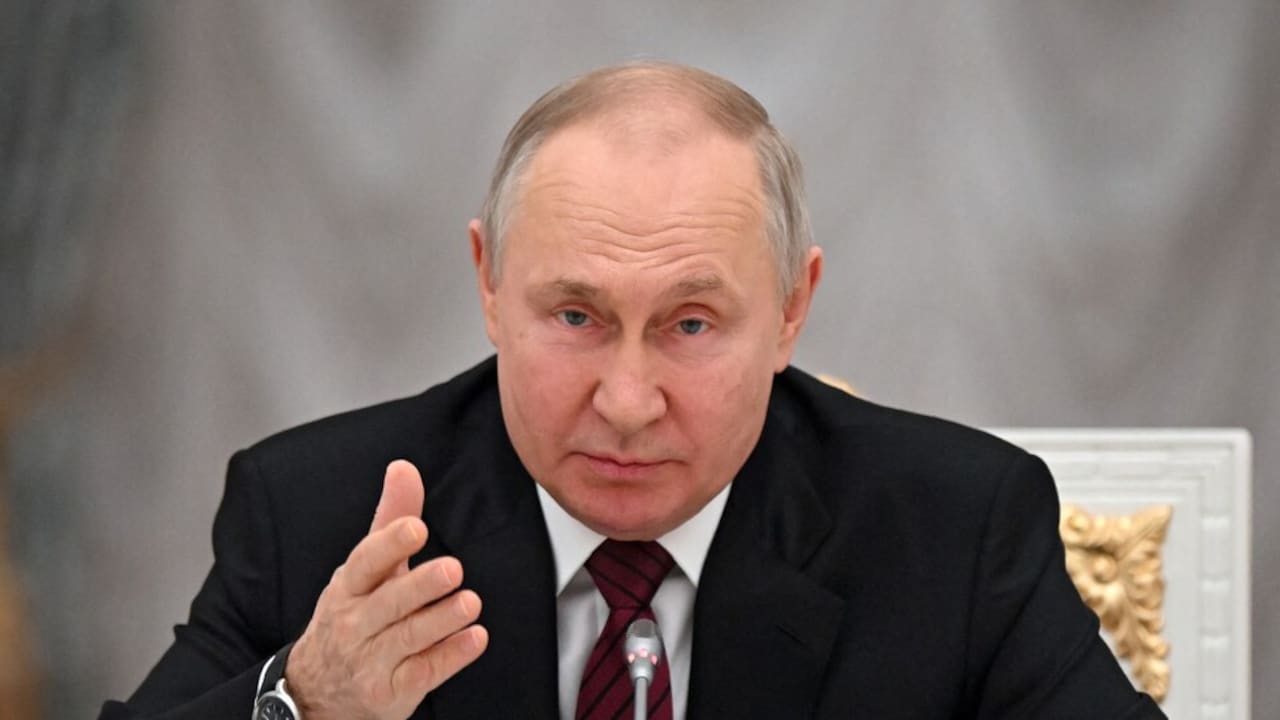
President Putin has issued a decree allowing the Russian state to seize companies that fail to prevent Ukrainian drone attacks. This measure reflects an escalation in domestic security protocols as cross-border aerial strikes on Russian infrastructure intensify.
The Legalization of Asset Seizure in Response to Aerial Threats
President Vladimir Putin has enacted a formal decree authorizing the Russian state to seize control of private and public companies that fail to implement sufficient security measures against Ukrainian drone attacks. This development marks a significant escalation in the Kremlin’s domestic response to the ongoing conflict, signaling a shift toward more aggressive state intervention in the private sector to safeguard critical infrastructure.
Escalation of Asymmetric Warfare
The necessity for this decree stems from the marked increase in Ukrainian drone operations targeting Russian facilities. As Ukraine continues to utilize low-cost, long-range unmanned aerial vehicles (UAVs) to strike oil refineries, storage depots, and military logistics hubs deep within Russian territory, the Kremlin is under mounting pressure to stabilize its domestic energy and defense sectors. By holding corporate leadership directly accountable for security failures, the state is attempting to force a hardening of industrial targets.
Economic and Corporate Implications
This policy creates a precarious environment for corporate entities operating within Russia. The threat of state seizure introduces a new layer of geopolitical risk, where failure to mitigate external military threats can result in the immediate loss of ownership. This strategy essentially mandates that companies become quasi-military outposts, diverting resources from production and commercial growth toward air defense systems, electronic warfare jamming equipment, and perimeter security.
Historical Context of State Intervention
Historically, Russia has shown a willingness to consolidate state power over strategic industries during times of national crisis. This current decree aligns with a broader trend of centralizing economic control to support the 'Special Military Operation.' By framing the failure to stop drone strikes as a security negligence, the government creates a legal pathway to nationalize assets that are deemed essential to the war effort or that have become liabilities due to their vulnerability.
Future Trends and Strategic Outlook
Looking forward, this policy is likely to accelerate the militarization of the Russian industrial landscape. We can expect to see a surge in government-mandated security audits and the potential for a wave of acquisitions or 'takeovers' of companies that are unable to withstand the persistent drone threat. This development suggests that the economic cost of the conflict is increasingly being offloaded onto the private sector, further blurring the lines between state security apparatuses and commercial operations.
Conclusion
The move to seize companies failing to prevent drone attacks underscores the severity of the security challenges currently facing the Russian Federation. As the conflict evolves, the ability of both state and private entities to protect vital infrastructure will remain a defining factor in Moscow's internal stability. Whether this strategy effectively deters future strikes or merely destabilizes the industrial base remains a critical point of uncertainty in the ongoing conflict.
Verification Required?