'Protest will continue till Pradhan resigns': CJP says Wangchuk ending fast won't end agitation
Source Entity
TOI NEWS DESK
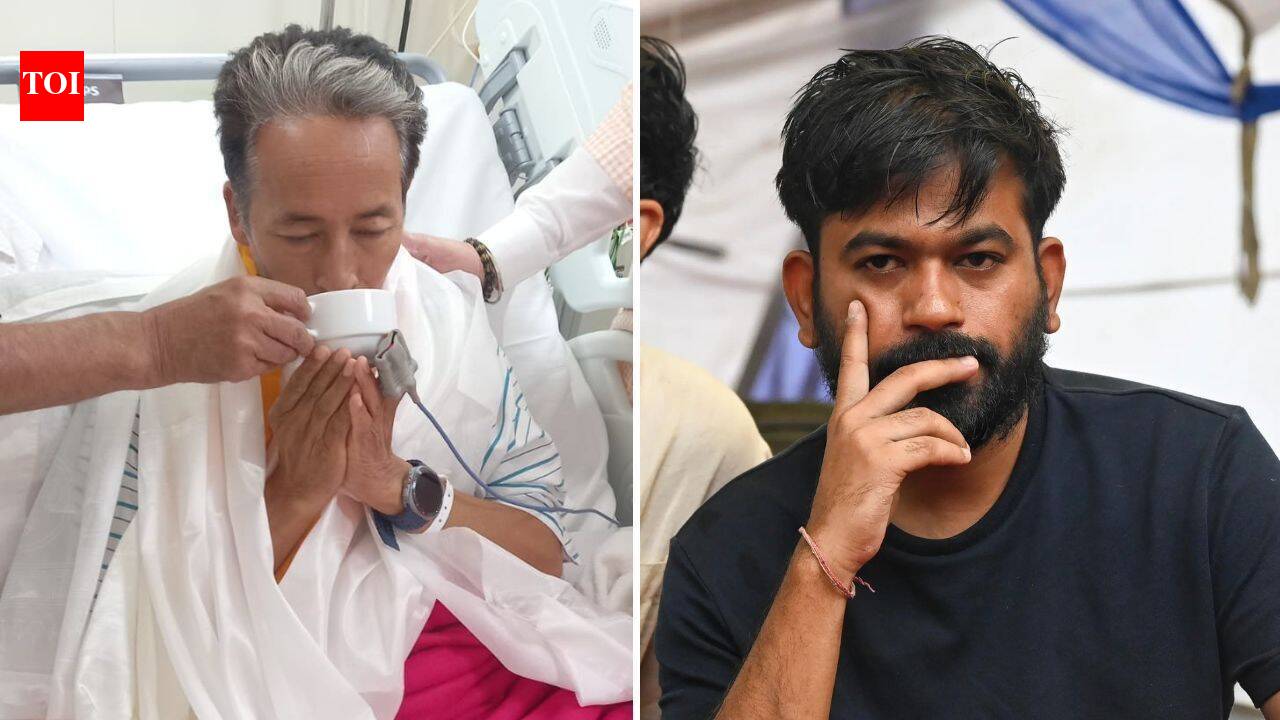
Student organizations are staging widespread protests against alleged examination irregularities and police conduct in New Delhi. Meanwhile, activist Sonam Wangchuk's family expresses concern as his hunger strike continues amid ongoing national tensions.
Growing Student Unrest Over Examination Integrity
Recent developments in India have highlighted a significant escalation in student-led activism, primarily directed at the National Testing Agency (NTA). Organizations like the Naujawan Bharat Sabha (NBS) and the Disha Students’ Organisation have mobilized in various locations, including near the GVMC office, to voice their deep-seated frustrations regarding systemic paper leaks and examination scams. These groups are not merely protesting the technical failures of testing bodies but are also challenging the state's response to these crises, specifically citing the Delhi Police’s actions against peaceful demonstrators at Jantar Mantar as a catalyst for their continued agitation.
Accountability and the Call for Resignation
The demands articulated by student leaders are both structural and political. Activist Abhijeet Dipke, founder of the CJP, has publicly invited Union Education Minister Dharmendra Pradhan to engage directly with protestors at Jantar Mantar, signaling a shift toward demanding high-level political accountability. Concurrently, members of the Disha Students’ Organisation have explicitly called for the resignation of Minister Pradhan, arguing that the current leadership has failed to protect the academic interests of the nation's youth. The demand to abolish the NTA further underscores a loss of institutional trust, suggesting that students view the current testing infrastructure as fundamentally compromised.
Solidarity and the National Sentiment
The protests have evolved into a broader movement of solidarity that transcends local boundaries. By demonstrating near the Gandhi statue and echoing the grievances of those in the national capital, these student groups are attempting to create a unified front against what they perceive as administrative negligence. This sentiment of collective urgency is being fueled by the belief that the government’s response to examination irregularities has been insufficient and that the use of police force against students is an attempt to suppress legitimate dissent rather than address the underlying causes of the paper leaks.
The Intersection of Activism and Hunger Strikes
Parallel to the student protests, the ongoing hunger strike by activist Sonam Wangchuk has added another layer of public concern. Reports from his brother, Dorjey, indicate a state of anxiety and anticipation regarding Wangchuk’s health and the duration of his fast, which was initially slated to end on July 20. This situation reflects a growing trend of high-profile, non-violent resistance being utilized to draw national attention to pressing issues, further intensifying the pressure on the government to respond to public grievances.
Future Trends and Implications
Looking ahead, the trajectory of these protests suggests that unless the government takes definitive steps to overhaul the examination system and address the allegations of police misconduct, the unrest is likely to persist. The integration of student organizations with established activist voices like Abhijeet Dipke and Sonam Wangchuk indicates a hardening of resolve. As these movements gain momentum, the government faces a critical juncture: it must either reform the testing apparatus and engage in transparent dialogue with the demonstrators or risk a sustained period of political volatility that could define the current academic and political landscape for the foreseeable future.
Multiple Citing Sources