CJP protest LIVE: Delhi Police detain over 25 students headed to Jantar Mantar; Sonam Wangchuk ends fast
Source Entity
Latest News: Todays Latest News Headlines from India & World | Hindustan Times | Hindustan Times
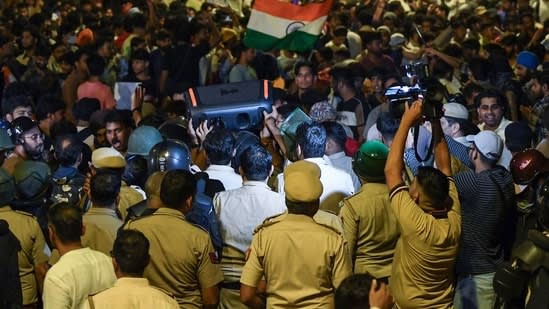
Student organizations are staging widespread protests against alleged examination irregularities and police conduct in Delhi. Simultaneously, activist Sonam Wangchuk's family has expressed concern as he navigates a high-stakes hunger strike.
Growing Unrest Over Examination Integrity
The recent wave of student protests, spearheaded by groups such as the Naujawan Bharat Sabha (NBS) and the Disha Students’ Organisation, highlights a deepening crisis of confidence in India's national examination systems. By staging demonstrations near the GVMC office and expressing solidarity with the Jantar Mantar protesters, these groups are signaling that concerns over alleged paper leaks and examination scams are no longer confined to the national capital. The core of this agitation lies in the demand for accountability from the National Testing Agency (NTA), which has come under intense scrutiny for its handling of recent high-stakes entrance exams.
The Demand for Ministerial Accountability
Central to the students' demands is the resignation of Union Education Minister Dharmendra Pradhan. The rhetoric from activists, including Disha Students’ Organisation member Avinash and CJP founder Abhijeet Dipke, underscores a sentiment that systemic failure requires political responsibility. By inviting the Minister to Jantar Mantar, protesters are attempting to force a direct dialogue between the administration and the youth, aiming to move beyond bureaucratic rebuttals and toward tangible reform of the testing infrastructure.
Police Conduct and Civil Liberties
Beyond the issue of exam integrity, the protests have also become a flashpoint for the discussion on civil liberties. The condemnation of the Delhi Police’s actions during the Jantar Mantar demonstrations reflects a broader tension regarding the right to peaceful assembly. For students, the perceived excessive force used against protesters is seen as an attempt to silence legitimate grievances regarding their future and the transparency of government institutions.
The Broader Context of Grassroots Activism
This movement is part of a larger, decentralized wave of activism currently sweeping India. Alongside the student-led protests, the narrative of individual sacrifice for policy change is exemplified by Sonam Wangchuk. The reports concerning his brother, Dorjey, and the details surrounding his planned fast, emphasize the personal toll and physical risks taken by activists to keep national issues in the public eye. Whether it is the demand for the abolition of the NTA or the quest for administrative changes in Ladakh, these movements represent a push for greater transparency and ethical governance.
Future Trends and Implications
As these protests continue to gain momentum, the government faces a significant challenge in balancing institutional stability with the need for reform. The call for the abolition of the NTA suggests that incremental changes may no longer satisfy the student body. Looking ahead, the ability of the administration to address these concerns without further escalation will be a litmus test for its responsiveness to youth-led movements. Should the dissatisfaction continue to spread, it is likely that education reform will remain a dominant theme in national political discourse for the foreseeable future.
Multiple Citing Sources
Verification Required?