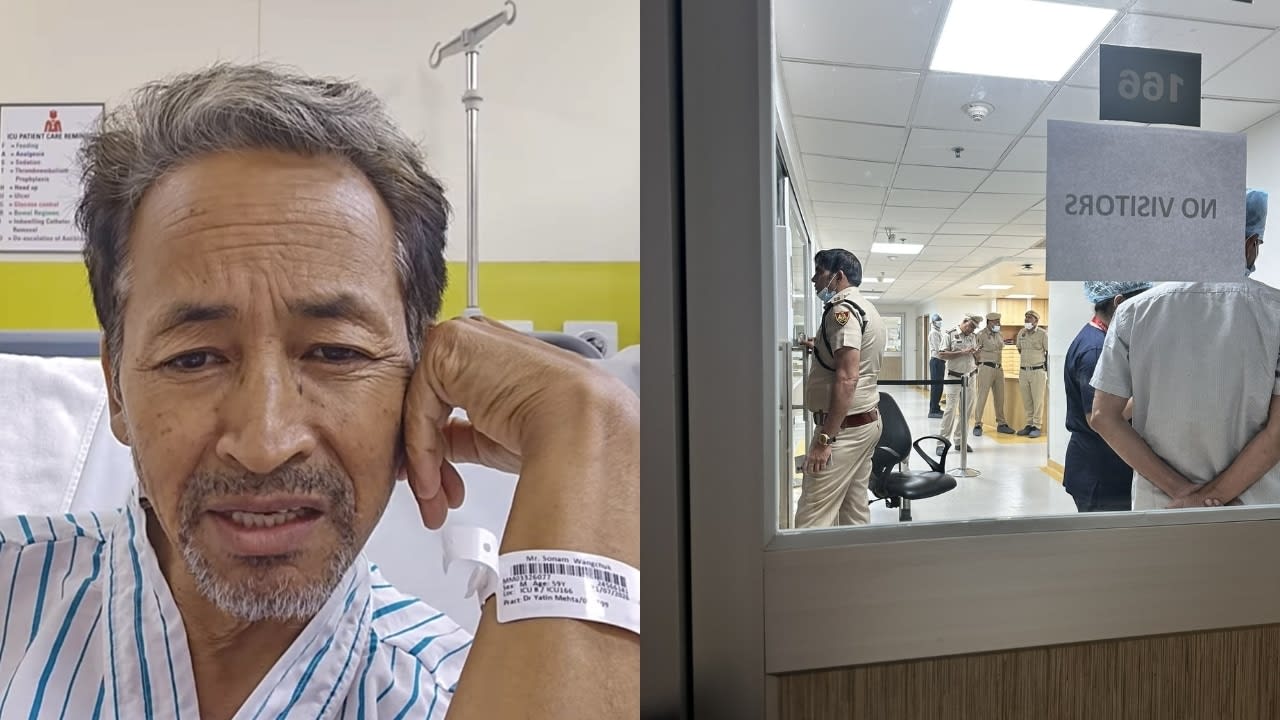
'Felt Like Being In North Korea': Sonam Wangchuk On Treatment At Delhi Hospital
Source Entity
NDTV News Search Records Found 1000
Student organizations are staging widespread protests against alleged examination irregularities and police conduct in Delhi. Simultaneously, activists and public figures are intensifying pressure on the government to ensure accountability in the education sector.
The Growing Wave of Student Unrest and Calls for Accountability
Recent developments in India have highlighted a significant surge in student-led activism, primarily centered around the integrity of national examinations. Organizations such as the Naujawan Bharat Sabha (NBS) and the Disha Students’ Organisation have mobilized near the GVMC office to voice their dissent against alleged paper leaks and systemic examination scams. This grassroots movement is not isolated; it reflects a broader national anxiety regarding the reliability of the National Testing Agency (NTA) and the future of competitive testing in the country.
Solidarity and the Demand for Ministerial Resignation
The protests have transcended local boundaries, with participants explicitly expressing solidarity with the demonstrations previously held at Jantar Mantar in New Delhi. The discourse has sharpened significantly, with student leaders such as Avinash of the Disha Students’ Organisation calling for the resignation of Union Education Minister Dharmendra Pradhan. This demand underscores a deep-seated loss of confidence in the current educational leadership, as protesters argue that administrative oversight has failed to protect the interests of millions of students.
Critiques of the National Testing Agency (NTA)
A core pillar of the current student agitation is the demand for the total abolition of the National Testing Agency. Members like Sujan of the Naujawan Bharat Sabha argue that the NTA has become a site of failure, necessitating a complete structural overhaul. By linking the demand for accountability to the cessation of the NTA, these groups are positioning their movement as a fight for the fundamental reform of India's educational assessment infrastructure.
The Role of Civil Society and Public Discourse
The agitation has gained national attention through the involvement of civil society figures, such as CJP founder Abhijeet Dipke. Dipke’s public invitation to Minister Dharmendra Pradhan to join students at Jantar Mantar signifies an attempt to bridge the gap between the governing body and the aggrieved youth. By bringing these issues to prominent media platforms like NDTV, activists are ensuring that the narrative of systemic failure remains at the forefront of public consciousness.
Broader Implications and Future Trajectories
The intersection of these protests—ranging from the demands for ministerial accountability to the high-profile hunger strikes led by figures like Sonam Wangchuk—suggests a period of intense civic engagement. While Dorjey noted that Sonam Wangchuk’s fast had specific temporal goals, the collective spirit of these various movements indicates that the pressure on the central government is unlikely to dissipate quickly. The government now faces the challenge of addressing the structural flaws within the examination system while managing a vocal and increasingly organized student demographic that demands transparency and systemic change.
Multiple Citing Sources
Verification Required?