Delhi Cops Add Attempt To Murder Charge In CJP Protest Violence Case
Source Entity
NDTV News Search Records Found 1000
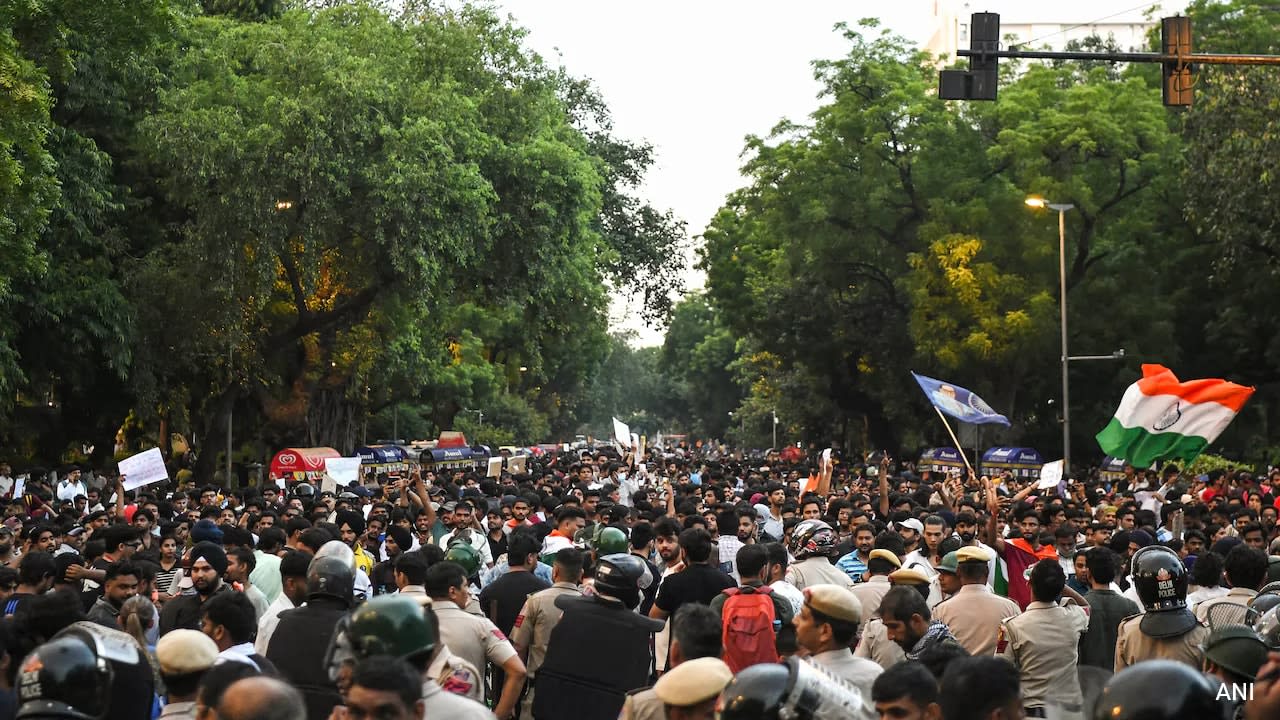
Student organizations are staging widespread protests against alleged paper leaks and NTA mismanagement, demanding the resignation of Education Minister Dharmendra Pradhan. Meanwhile, activist Sonam Wangchuk's family expressed concern as he neared the conclusion of his planned fast.
Growing Student Unrest Over Examination Integrity
Recent reports highlight a significant surge in student activism across India, primarily driven by allegations of systemic failures within the National Testing Agency (NTA). Organizations such as the Naujawan Bharat Sabha (NBS) and the Disha Students’ Organisation have mobilized in various locations, including near the GVMC office, to voice their dissent against recurring paper leaks and examination irregularities. This wave of protest is not isolated; it is a direct reaction to the perceived mishandling of high-stakes national assessments that dictate the futures of millions of students.
Accountability and the Demand for Resignation
The central grievance of these demonstrations is the demand for institutional accountability. Protesters are explicitly calling for the resignation of Union Education Minister Dharmendra Pradhan, arguing that the current leadership has failed to safeguard the sanctity of the examination process. By demanding the abolition of the NTA, these student groups are signaling a deep-seated lack of trust in the existing administrative framework, suggesting that structural reform—rather than superficial fixes—is the only path forward to restore credibility to India's competitive examination landscape.
The Intersection of Protest and Police Action
A critical component of the ongoing agitation is the condemnation of the Delhi Police’s response to demonstrators at Jantar Mantar. The solidarity protests held in various regions reflect a growing national consensus among student bodies that the right to peaceful assembly is being curtailed. The invitation extended by CJP founder Abhijeet Dipke to Minister Pradhan to join students at Jantar Mantar underscores a push for direct engagement between the government and the youth, aiming to bridge the widening communication gap regarding educational governance.
Parallel Movements: Sonam Wangchuk's Fast
Beyond the protests against examination malpractice, the national discourse is also being shaped by other forms of civic activism, such as the fast undertaken by Sonam Wangchuk. Updates from his brother, Dorjey, indicate that while the activist planned to conclude his fast on July 20, the period leading up to that date was marked by significant public and familial concern. These parallel movements highlight a broader trend of citizens using non-violent, symbolic gestures to draw attention to policy issues that they feel are being ignored by the executive branch.
Future Implications for Educational Policy
The convergence of these protests suggests that the government faces a precarious situation. As student organizations become more organized and vocal, the pressure on the Ministry of Education to provide transparent, long-term solutions to examination security will intensify. If the demands for the abolition of the NTA and ministerial accountability remain unaddressed, it is highly likely that these decentralized protests will coalesce into a more formidable, nationwide movement that could significantly influence future educational policy and public trust in government-run assessment bodies.
Multiple Citing Sources
Verification Required?