Supreme Court to hear appeal against ban on animated film Mahaprabhu Jagannath for not being true to ‘Skanda Purana’
Source Entity
India Latest News: Top National Headlines Today & Breaking News | The Hindu
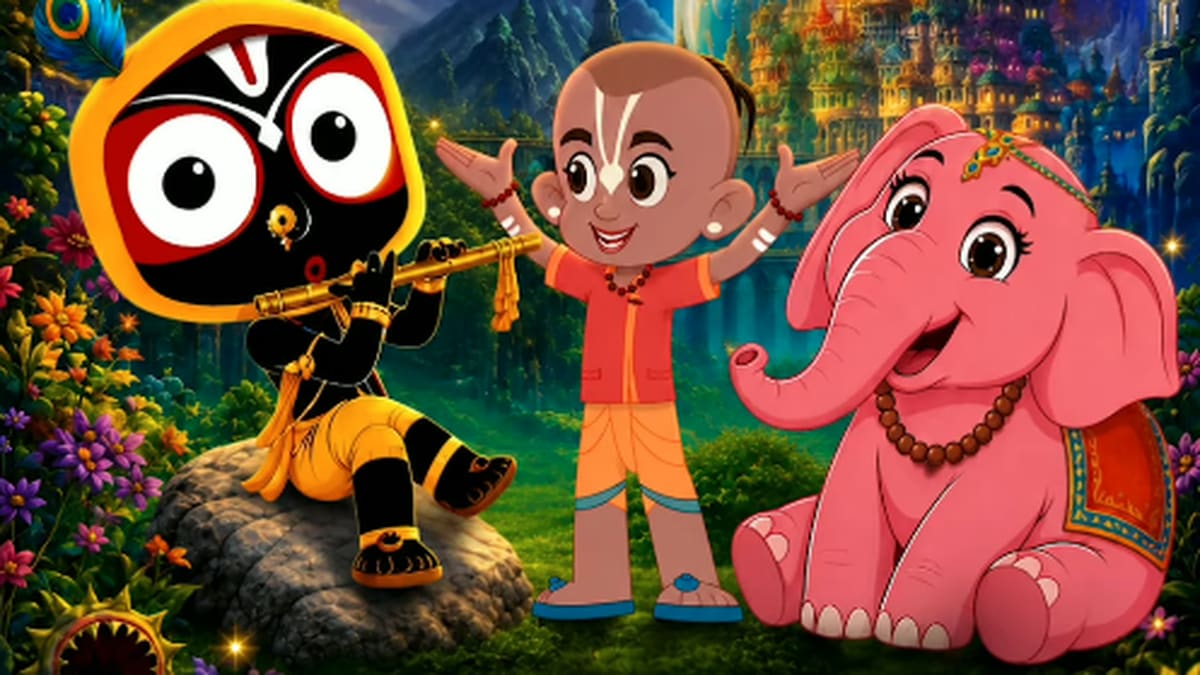
The Supreme Court has permitted the release of the animated film 'Mahaprabhu Jagannath' after July 28, following the conclusion of the annual Rath Yatra. This decision resolves a legal conflict between artistic freedom, CBFC certification, and concerns regarding religious depictions and public sentiment.
The Legal Conflict Over 'Mahaprabhu Jagannath'
The legal battle surrounding the animated film Mahaprabhu Jagannath, produced by Ele Animations, highlights a complex intersection between creative freedom, administrative certification, and the preservation of religious sentiment. The dispute originated when the Orissa High Court imposed a nationwide ban on the film, citing concerns that its depiction of Lord Jagannath’s childhood and adventures did not strictly adhere to the Skanda Purana and the Brahma Purana. This judicial intervention raised significant questions regarding the extent to which courts should interpret religious texts to regulate cinematic content, particularly when the work has already passed the rigorous scrutiny of the Central Board of Film Certification (CBFC).
The Role of Regulatory Certification
At the heart of the producer's appeal was the challenge to the High Court’s jurisdiction over a film that had already received formal clearance from the CBFC. The film's makers argued that the CBFC is the statutory body tasked with evaluating content, and its certification should carry legal weight against localized objections. By bypassing this regulatory framework, the High Court’s decision to impose a country-wide ban created a precedent that threatened to undermine the authority of the CBFC and impose significant financial hardship on the producers, who had prepared for a release in over 300 theaters.
Balancing Devotion and Animation
The petitioners in the original Orissa High Court case argued that the film’s portrayal of the deity was inaccurate according to traditional texts and could potentially disrupt public order or hurt religious sentiments. The High Court initially leaned toward this view, emphasizing that the film failed to maintain the sanctity expected in the depiction of Lord Jagannath. However, the film's creators maintained that the work was a children’s film, derived from a long-running television series, and utilized animation specifically to reinforce that the portrayal was a fictionalized devotional narrative rather than a historical or literal recreation involving human actors.
Judicial Intervention and Public Order
The Supreme Court, led by a bench including Justices B.V. Nagarathna and R. Mahadevan, took a pragmatic approach to the crisis. While the Court recognized the commercial urgency expressed by senior advocate Devadatt Kamat—noting the massive investment and logistical arrangements made for the July 17 release—it also acknowledged the sensitivity surrounding the annual Rath Yatra in Puri. By declining to allow the release on the original date and instead setting a release window for after July 28, the Court sought to balance the rights of the filmmakers with the maintenance of public peace during a period of high religious activity.
Precedent and Future Implications
This case serves as a poignant reminder of the evolving tension between secular law and religious sensitivities in India. The Supreme Court’s observation that "animation cannot erode devotion" suggests a judicial inclination to protect artistic expression, provided it does not directly incite disorder. As India sees a rise in digital and animated content exploring mythology, this ruling establishes a critical middle ground: while the judiciary may intervene to prevent immediate public unrest during sensitive religious events, it remains cautious about allowing religious interpretation to serve as a blanket justification for stifling creative works that have already met the standard requirements of the state’s film certification process.
Multiple Citing Sources
Verification Required?