Supreme Court notice on plea alleging Rahul Gandhi pushed pregnant journalist during anti-CEC protest
Source Entity
The Indian Express
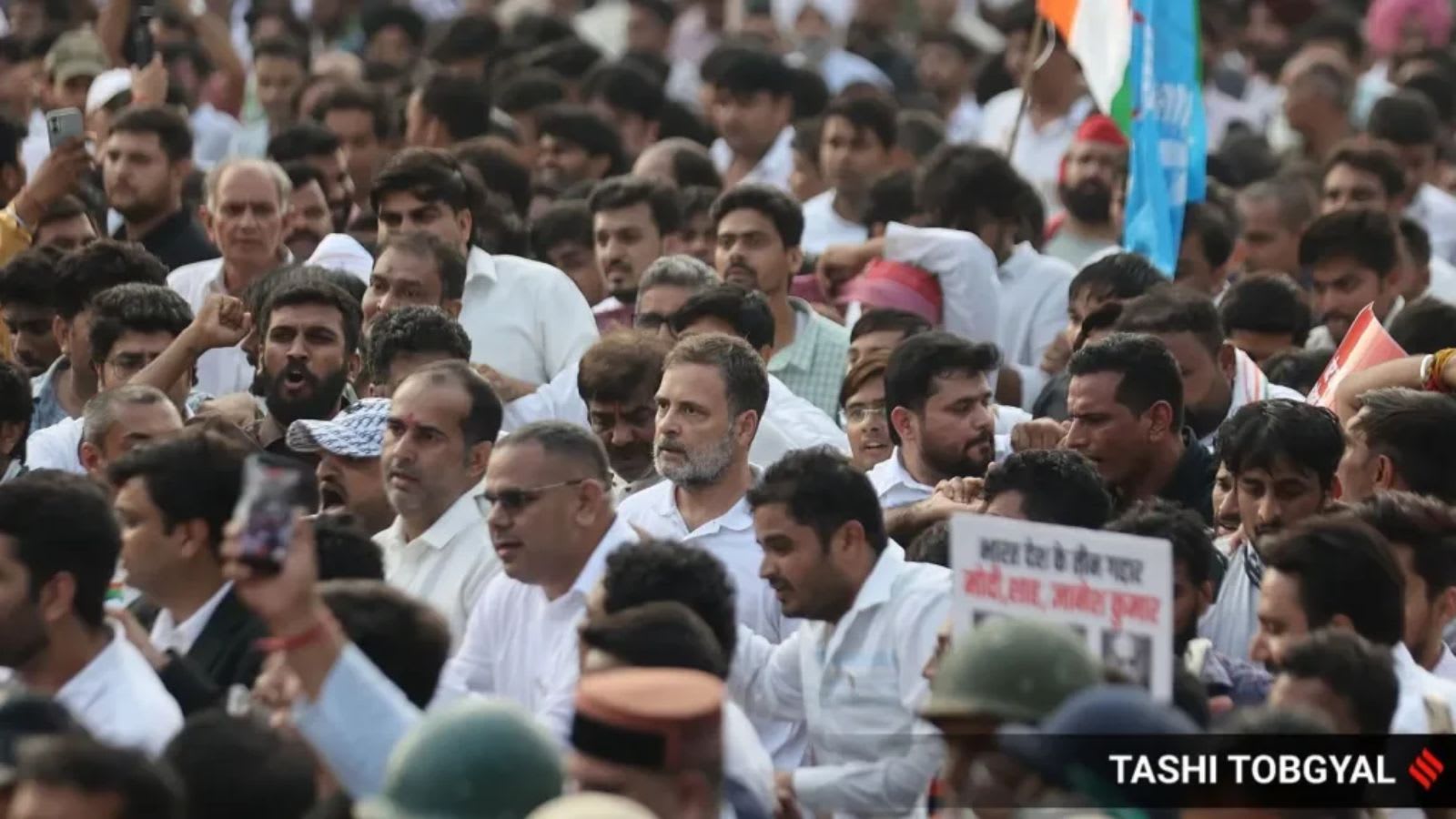
The Supreme Court has deferred hearings regarding a petition challenging the Election Commission's decision-making processes during the Special Intensive Revision (SIR) of electoral rolls. Petitioners, including Rahul Gandhi, are seeking the preservation of official records, while the EC maintains its actions were unanimous and legally sound.
The Election Commission and the Supreme Court: A Constitutional Standoff
The ongoing legal proceedings involving the Election Commission of India (ECI) represent a critical intersection of administrative transparency and judicial oversight. At the heart of the matter is a petition challenging the functioning of Chief Election Commissioner (CEC) Gyanesh Kumar, specifically questioning the legitimacy of unilateral decision-making in the context of the Special Intensive Revision (SIR) of electoral rolls. This development follows a high-profile investigation suggesting internal disagreements among commissioners, which has now escalated into a formal inquiry before the Supreme Court.
The Genesis of the Dispute
The controversy traces back to reports highlighting 14 instances of written disagreement by Election Commissioners Sukhbir Singh Sandhu and Vivek Joshi over a ten-month period. These internal frictions have fueled public and political concern regarding the ECI’s internal governance. The petition, filed by advocate Rakesh Kumar Singh, seeks the suspension of the CEC pending a deeper probe into these allegations, fundamentally challenging the autonomy and collaborative nature of the commission’s leadership.
The ECI’s Defense and Constitutional Standing
In its counter-affidavit submitted to the Supreme Court, the Election Commission has categorically maintained that all decisions related to the SIR were made unanimously. By framing its actions as legally compliant and collaborative, the ECI is defending the integrity of the electoral process. Furthermore, the Commission has emphasized the constitutional protections afforded to the CEC, noting that removal is only possible through a rigorous procedure akin to that of a Supreme Court judge, thereby shielding the office from arbitrary political pressure.
The Role of Political Petitioners
Significantly, the legal challenge has gained political weight with the involvement of Leader of the Opposition in the Lok Sabha, Rahul Gandhi, among other petitioners. Their request—described as "innocuous" and "non-invasive"—seeks a judicial directive for the ECI to preserve or present the complete records of the SIR exercise. This demand underscores the opposition's focus on the auditability of electoral roll modifications, aiming to ensure that the revision process remains free from partisan manipulation.
Judicial Oversight and Future Implications
The Supreme Court, led by Chief Justice of India Surya Kant, has opted for a measured approach by deferring the hearing for ten days to allow petitioners to respond to the ECI’s affidavit. This delay, extending beyond the Diwali period, signals the Court's commitment to a thorough examination of the facts. The outcome of this case will likely set a significant precedent regarding the extent to which the judiciary can intervene in the internal administrative processes of constitutional bodies like the ECI.
Conclusion
As the nation awaits the next phase of these hearings, the case remains a pivotal moment for Indian democracy. The balance between maintaining the independence of the Election Commission and ensuring its accountability to the public remains the core challenge. By scrutinizing the SIR records, the Supreme Court is not merely addressing a specific dispute but is also asserting the necessity of institutional transparency in the administration of the world's largest electoral process.
Multiple Citing Sources