Supreme Court panel suggests capacity study for tourism hubs in Himachal, more scrutiny of highway expansions
Source Entity
Nikhil Ghanekar
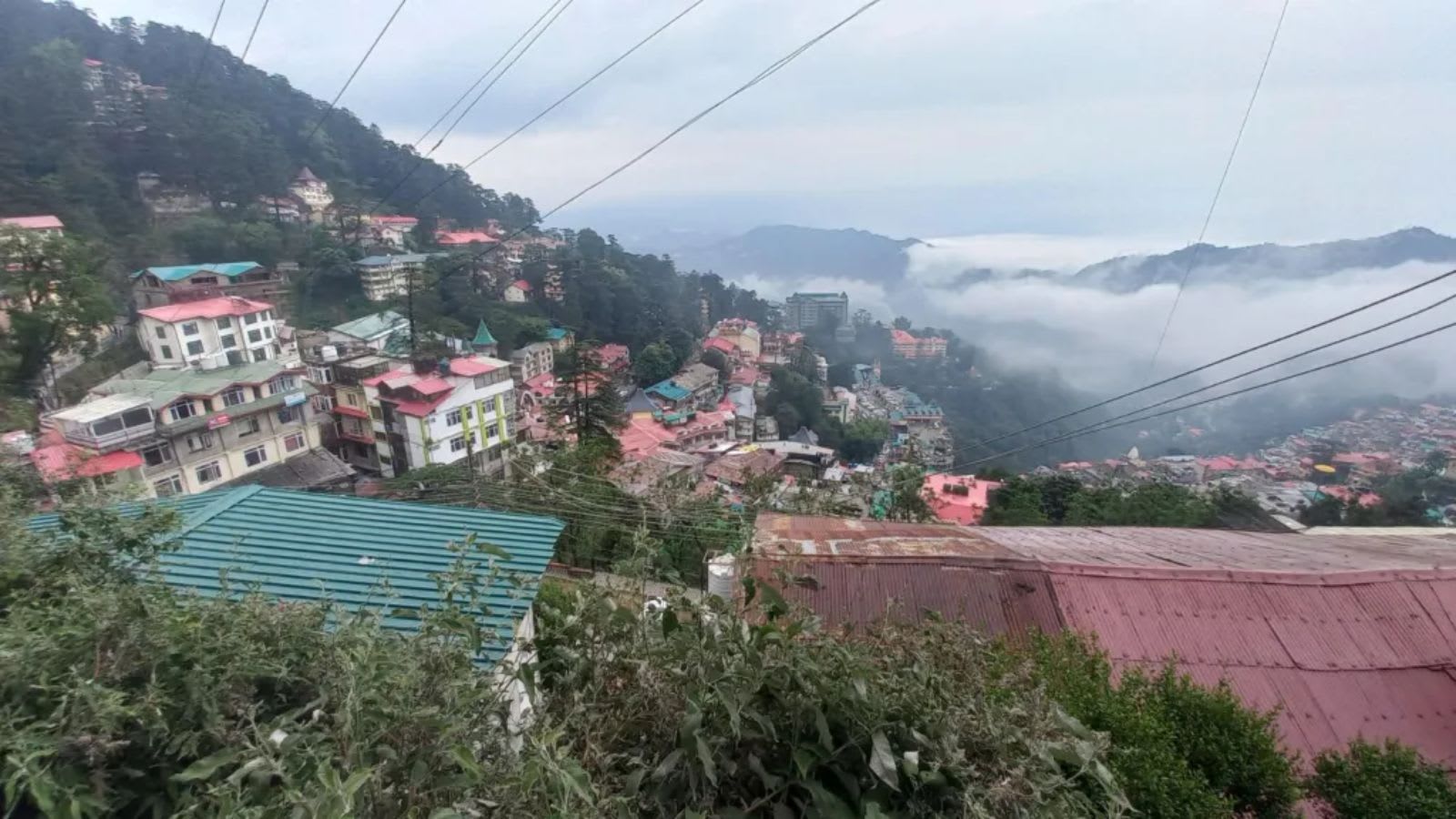
The Supreme Court’s Central Empowered Committee has proposed strict environmental oversight for Himachal Pradesh, including carrying capacity studies for tourism hubs. The recommendations mandate rigorous environmental clearances for infrastructure projects to protect the state's fragile Himalayan ecology.
Safeguarding the Himalayas: A New Paradigm for Himachal Pradesh
The CEC Intervention
The Supreme Court’s Central Empowered Committee (CEC) has unveiled a comprehensive set of recommendations aimed at mitigating the ecological degradation of Himachal Pradesh. Tasked with examining thematic areas such as hydroelectric projects, compensatory afforestation, and urban infrastructure, the CEC’s report signals a shift toward a more cautious approach to development in the sensitive Himalayan region. By calling for mandatory environmental clearances for road and railway expansions, the committee is attempting to balance the state’s economic aspirations with the urgent need for environmental preservation.
Assessing Carrying Capacity
One of the most critical recommendations involves conducting a formal 'carrying capacity' study for major tourist destinations. Himachal Pradesh has seen an exponential rise in footfall, which has frequently outpaced the region's infrastructure and waste management capabilities. By determining the maximum human load these environments can sustain, the government can implement data-driven policies to prevent over-tourism, which has historically led to water shortages, sewage overflow, and irreparable damage to local biodiversity.
Scrutinizing Infrastructure Expansion
The proposal to mandate environmental clearance for the expansion of hill roads to two or more lanes is a direct response to the recurring landslides and soil instability witnessed in recent years. Large-scale construction in the Himalayas is inherently risky; thus, the CEC’s insistence on heightened scrutiny for road and railway projects reflects a recognition that traditional engineering practices must be subservient to geological stability. This shift could fundamentally change how infrastructure projects are planned and executed in mountainous terrain.
Compensatory Afforestation and Accountability
Beyond infrastructure, the report emphasizes the completion of pending compensatory afforestation works. In the past, developmental projects have often proceeded without the promised restoration of lost forest cover, leading to a net loss of biodiversity. By focusing on the fulfillment of these environmental obligations, the CEC is ensuring that the 'polluter pays' principle—or in this case, the 'developer restores' principle—is strictly enforced to maintain the state's green cover.
Future Implications and Policy Trends
Looking ahead, these recommendations are likely to set a precedent for other Himalayan states facing similar environmental pressures. If adopted by the Supreme Court, this framework will necessitate a more collaborative approach between urban planners, environmentalists, and civil engineers. It marks a transition from reactive disaster management to proactive ecological governance, prioritizing long-term sustainability over short-term developmental gains in one of India's most ecologically vulnerable regions.