Supreme Court grants liberty to Abhishek Banerjee, asks Calcutta HC to consider plea against media trial
Source Entity
India Latest News: Top National Headlines Today & Breaking News | The Hindu
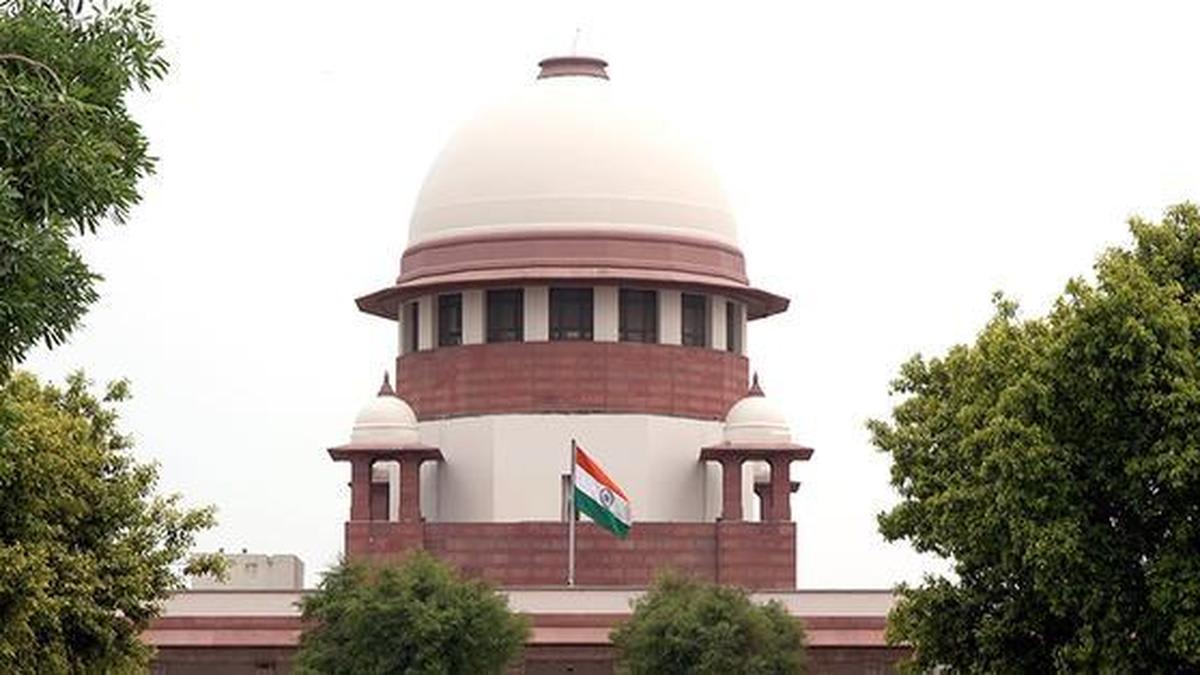
The Supreme Court has intervened in two high-profile legal matters, facilitating a hearing for Abhishek Banerjee regarding media trial concerns and adjourning Tarun Tejpal’s bail plea to November 5. These developments highlight the court's role in managing procedural delays and balancing individual rights against judicial processes.
Supreme Court Interventions in High-Profile Legal Cases
On November 3, 2026, the Supreme Court of India engaged in significant judicial oversight concerning two prominent legal figures, Abhishek Banerjee and Tarun Tejpal. These proceedings, overseen by distinct benches, underscore the ongoing interplay between the apex court and lower judicial bodies, as well as the complexities inherent in high-stakes litigation involving public figures.
Abhishek Banerjee and the Question of Media Trial
The Supreme Court Bench, led by Chief Justice Surya Kant, addressed a plea from Lok Sabha MP Abhishek Banerjee concerning allegations of a 'media trial' linked to ongoing investigations against him. The petitioner, represented by senior advocate Shoeb Alam, highlighted a procedural impasse wherein the Calcutta High Court had failed to substantively hear the matter despite multiple mentions, citing roster issues. By granting liberty to Mr. Banerjee to mention the matter upon the High Court’s reopening, the Supreme Court has effectively signaled the necessity for a timely judicial review of the petitioner's grievances regarding the impact of media coverage on his legal rights.
Procedural Delays and Judicial Roster Challenges
The frustration expressed by counsel for Mr. Banerjee regarding the lack of progress in the High Court points to broader systemic challenges within the Indian judiciary. Roster management and the distribution of cases are critical functions of the High Court, yet when these administrative hurdles impede the adjudication of fundamental rights, the Supreme Court is compelled to step in. This intervention serves as a reminder that the right to a timely hearing is a cornerstone of due process, even when the underlying investigation involves sensitive political figures.
Tarun Tejpal’s Appeal and Interim Bail Plea
In a separate proceeding, the Supreme Court addressed the case of former Tehelka editor Tarun Tejpal, who is challenging his conviction and 10-year sentence in a 2013 sexual assault case. The Bench of Justices M.M. Sundresh and Prasanna B. Varale was scheduled to hear his interim bail plea, intended to allow him to join his family for the Deepavali festival. However, the hearing was deferred to November 5 following a request for adjournment by Solicitor General Tushar Mehta on behalf of the Goa government.
Balancing Individual Liberty and State Interest
The adjournment of the Tejpal case highlights the delicate balance the judiciary must strike between the individual's request for temporary release and the state's position on a serious criminal conviction. While senior advocate Kapil Sibal initially opposed the adjournment, the court’s decision to push the date reflects the necessity of allowing the prosecution adequate time to respond, particularly given the gravity of the charges and the finality of the initial conviction being appealed.
Future Trends and Judicial Oversight
Looking forward, both cases illustrate the Supreme Court’s active role in ensuring that legal processes remain fluid and responsive. As the judiciary continues to navigate high-profile cases involving political and social controversy, the trend toward ensuring that procedural delays do not result in the denial of justice will likely continue. Whether through facilitating mentions in lower courts or managing the pace of complex appeals, the apex court remains the final arbiter in ensuring that both the state and the individual are granted a fair and efficient path to resolution.
Verification Required?