'Can't occupy a site for all times': SC on Delhi protests against CEC Gyanesh Kumar
Source Entity
VIVEK DUBEY
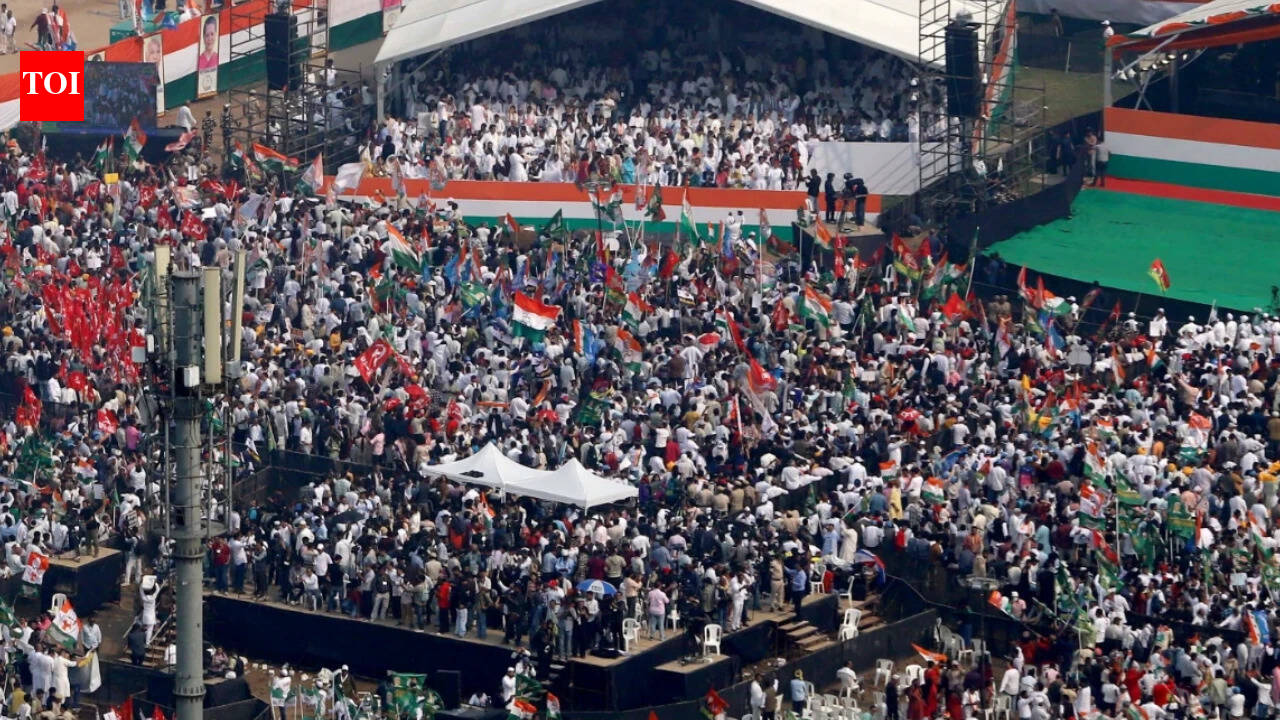
The Supreme Court of India has ruled that protest sites cannot be occupied indefinitely, emphasizing a balance between the right to protest and the right to livelihood. The Court acknowledged the economic impact on local traders while noting the emergence of a 'protest economy' around demonstration sites.
Balancing Constitutional Rights: The Supreme Court’s Stance on Protests
The Supreme Court of India, led by Chief Justice Surya Kant, has intervened in the ongoing friction between protest groups and local businesses in New Delhi. The central legal question addresses the tension between the constitutionally protected right to protest and the fundamental right to trade and earn a livelihood. The Court’s observation that no group can occupy a designated site "for all times to come" marks a significant shift in how protest management is viewed in the national capital.
The Impact on Local Commerce
Traders' associations have raised significant concerns regarding the economic fallout of prolonged demonstrations, particularly during the festive season. Counsel for the traders highlighted that nearly 50 lakh people reside in areas surrounding current protest sites, with many shops forced to remain shut. This economic disruption has prompted the judiciary to acknowledge that the livelihood of small-scale vendors, hawkers, and daily wage earners is at risk when public spaces are indefinitely monopolized by demonstrators.
The Concept of a 'Protest Economy'
In a nuanced observation, the Bench noted the paradoxical existence of a "protest economy." While large-scale commercial establishments suffer from closures, the Court pointed out that demonstrations often create a secondary market for enterprising hawkers and push-cart vendors who cater to the needs of the gathered crowds. By recognizing this, the Court emphasized that "trade" in a legal sense must account for the most vulnerable actors, such as small-scale vendors, who rely on these high-traffic areas for their daily survival.
Regulatory Shifts in Delhi
This judicial intervention follows a series of administrative changes by the Delhi Police. Following the Cockroach Janta Party’s march on July 20, the police denotified Jantar Mantar as a protest site on October 12. In its place, the authorities designated three alternative venues: Ramlila Maidan, Burari Ground, and CBD Ground. The current protests, which include calls for the resignation of CEC Gyanesh Kumar, have tested these new regulatory frameworks, particularly as demonstrations spilled into areas like Connaught Place.
Future Trends and Judicial Oversight
The Supreme Court’s insistence that designated sites must be provided for "identified periods" suggests a future trend toward stricter time-bound permits for political and social gatherings. By mandating a rotational use of protest venues, the Court aims to prevent the permanent paralysis of city centers. This approach signals that while the right to dissent remains sacred, it must be exercised within a regulatory structure that respects the mobility and economic stability of the broader citizenry.
Conclusion
The Supreme Court’s recent remarks serve as a landmark directive for urban governance in India. By balancing the competing interests of civil expression and economic activity, the judiciary is pushing for a more structured approach to public space management. As the festive season continues, the enforcement of these time-bound protest policies will be critical in maintaining the delicate equilibrium between democratic participation and the functional requirements of a capital city.
Multiple Citing Sources