"Can't Occupy A Site Indefinitely In Name Of Protest": Top Court's Big Remark
Source Entity
NDTV News Search Records Found 1000
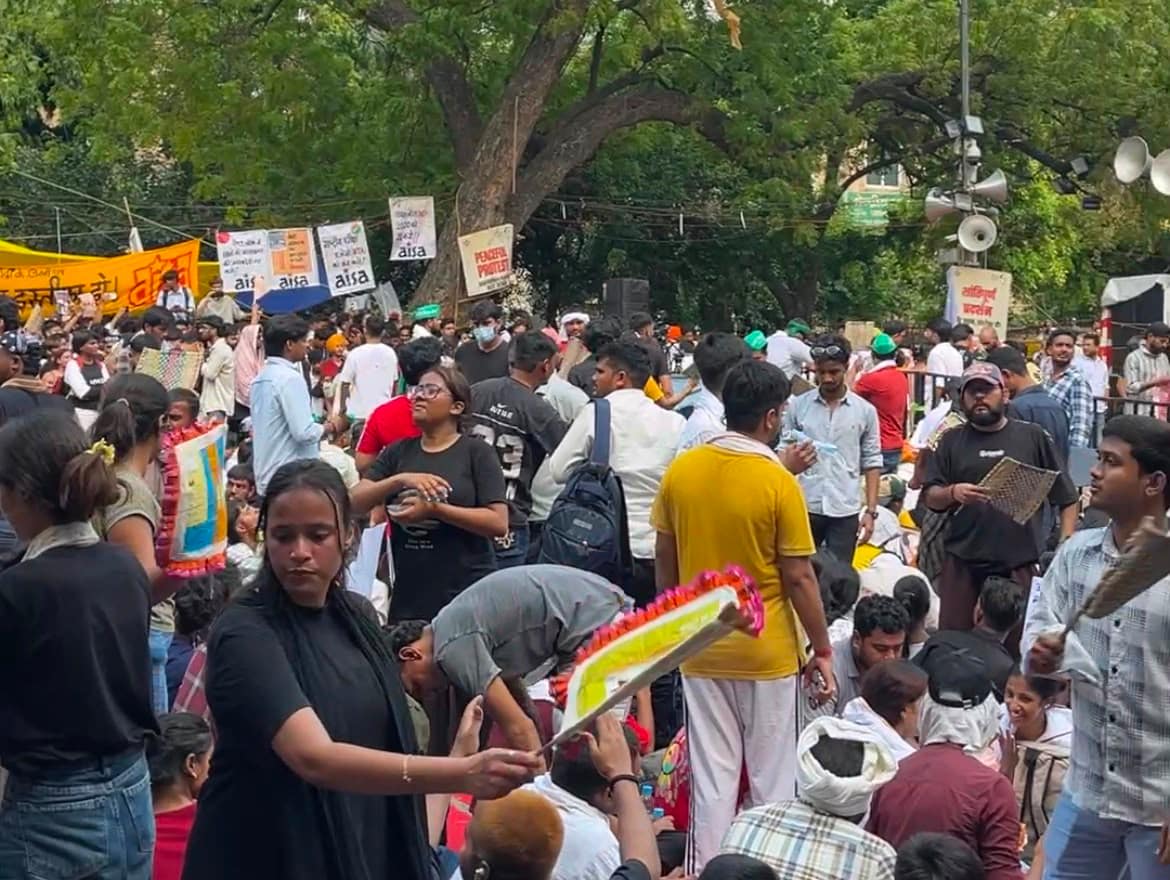
The Supreme Court of India has ruled that protest sites cannot be occupied indefinitely, emphasizing a balance between the right to protest and the right to livelihood. The court acknowledged the impact on local traders while noting the emergence of a 'protest economy' at demonstration venues.
Balancing Constitutional Rights in Public Spaces
The Supreme Court of India recently addressed the complex tension between the constitutional right to protest and the fundamental right to trade. In a significant observation, the Bench, led by Chief Justice of India Surya Kant, stated that no protest group can occupy a designated demonstration site indefinitely. This ruling emerges from pleas filed by traders’ associations in Delhi, who argued that prolonged protests have severely disrupted local business activities.
The Impact on Local Livelihoods
The petitioners, representing traders in areas surrounding the protest sites, highlighted the severe economic strain caused by long-term demonstrations. Counsel for the traders pointed out that approximately 50 lakh people reside in the vicinity of these sites, with many shops forced to remain shut due to restricted access and safety concerns. The court acknowledged these grievances, expressing explicit sympathy for small traders, hawkers, and push-cart vendors whose sole source of income is directly threatened by the occupation of public thoroughfares.
Defining the 'Protest Economy'
In a nuanced observation, the Supreme Court noted that protests are not strictly detrimental to all forms of business. The Bench introduced the concept of a 'protest economy,' highlighting that demonstration sites often generate brisk earnings for enterprising street vendors and daily wagers who cater to the gathered crowds. By acknowledging this, the court underscored that the 'right to trade' is not limited to brick-and-mortar commercial establishments but extends to the most vulnerable participants in the informal economy.
Establishing a Regulatory Framework
The core of the court's stance is the necessity of balance. While the right to protest is constitutionally protected, it cannot be exercised in a manner that infringes upon the rights of other citizens to conduct their daily business or access their homes. The court suggested that designated protest venues must be managed to allow access for different groups over specific, limited periods, rather than being held by a single entity for an indefinite duration.
Future Implications for Public Order
This judicial intervention signals a shift toward more structured management of public demonstrations in India. By advocating for a rotational or time-bound system for protest sites, the Supreme Court is seeking to institutionalize a framework that prevents the paralysis of urban centers. As India continues to navigate its democratic processes, this ruling serves as a vital reminder that constitutional rights are not absolute and must coexist with the collective rights of the wider citizenry.
Conclusion
Ultimately, the Supreme Court's remarks provide a roadmap for municipal and police authorities to better manage the intersection of civil agitation and economic activity. By recognizing both the legitimacy of dissent and the necessity of sustaining local livelihoods, the court has emphasized a pragmatic approach to governance. Moving forward, authorities will be expected to enforce space-sharing protocols that respect the voices of protestors while protecting the economic survival of local communities.
Multiple Citing Sources
Verification Required?