Row erupts after Surat fish market named after PM Modi: ‘He never consumed seafood, is pure vegetarian’
Source Entity
Latest News: Todays Latest News Headlines from India & World | Hindustan Times | Hindustan Times
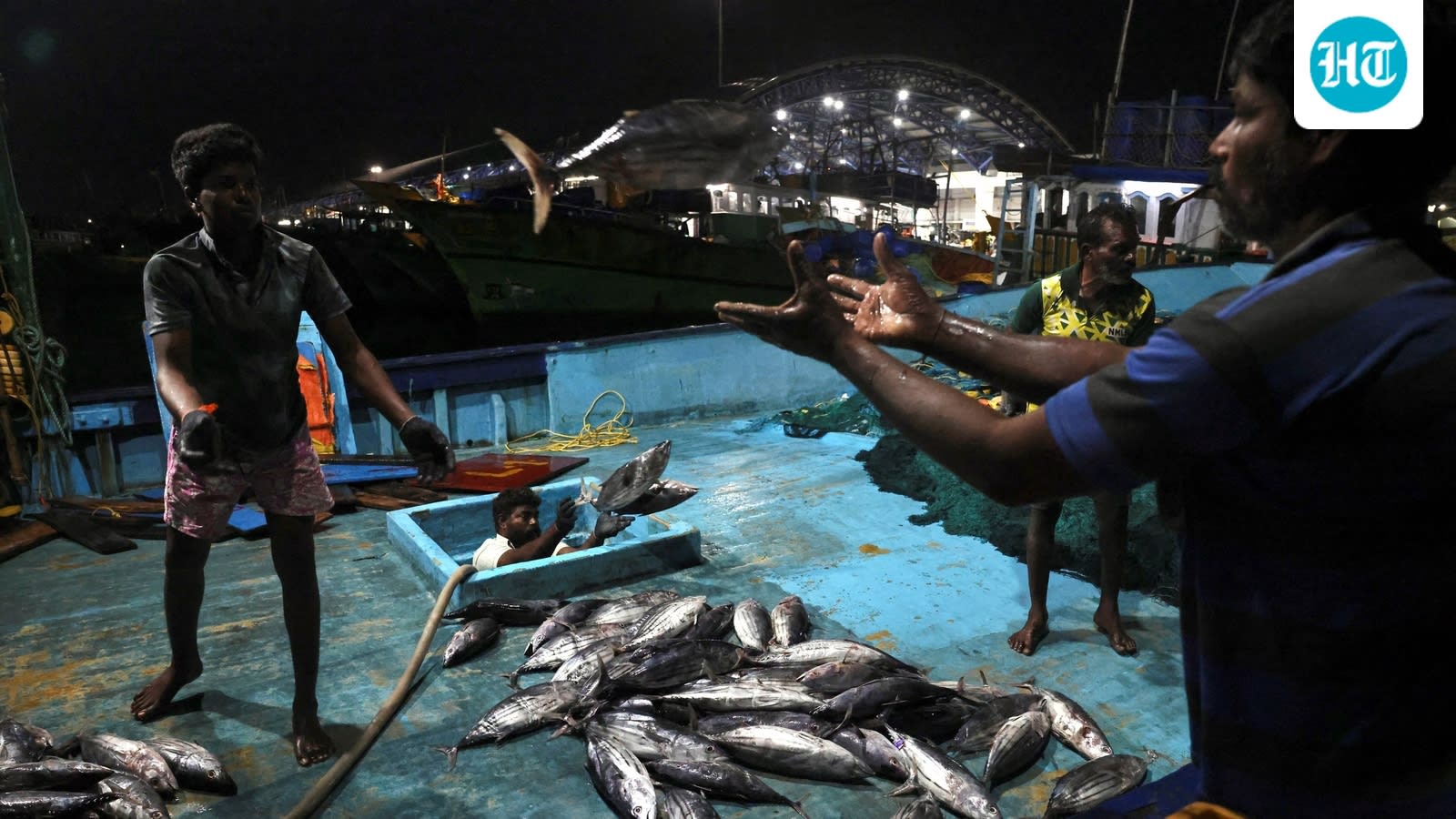
A controversy emerged in Surat after a municipal fish market was named after PM Narendra Modi by a merchant association. The move sparked backlash due to the PM's vegetarianism, leading authorities to cover the signage pending official approval.
The Unsanctioned Naming Controversy in Surat
A significant controversy has emerged in Surat, Gujarat, following the installation of signage at a newly constructed wholesale fish market that bore the name and photograph of Prime Minister Narendra Modi. The facility, located in the Lakkadkot area of Nanpura, was inaugurated by The Surat Fish Merchant Association (SFMA). The signage, which read 'Shree Narendra Modi Wholesale Fish Market,' immediately drew public and internal scrutiny, leading to a swift covering of the board following objections from a segment of the local trade community.
The Intersection of Public Policy and Symbolism
The market itself represents a milestone for local infrastructure, having been developed with support from the Pradhan Mantri Matsya Sampada Yojana. As the city’s first municipal corporation-run wholesale fish market, it is designed to house 80 distinct outlets, aiming to modernize the local seafood supply chain. However, the attempt to associate the Prime Minister’s name with this specific commodity has created a symbolic friction point, given the Prime Minister’s well-known status as a strict vegetarian.
Administrative Oversight and Procedural Gaps
Central to the unfolding row is the role of the Surat Municipal Corporation (SMC). While the SFMA proceeded with the inauguration and naming, the SMC has clarified that the official naming process for the government-built facility is still in its nascent stages and has not yet received formal civic approval. The unauthorized placement of the board suggests a disconnect between the merchant association's enthusiasm and the formal administrative protocols required for public infrastructure naming conventions in Gujarat.
Cultural Sentiments and Political Optics
The opposition from a section of the traders highlights the sensitivity regarding political optics in India. By naming a facility dedicated to the sale of seafood after a leader who advocates for vegetarianism, the organizers inadvertently created a narrative of incongruity. This has led to a local debate over the appropriateness of such tributes, with the eventual covering of the board signaling a retreat from the initial decision, likely to prevent further political embarrassment or public outcry.
Broader Implications for Civic Governance
This incident serves as a case study in the complexities of public-private cooperation in urban development. While the Pradhan Mantri Matsya Sampada Yojana provides the financial framework for such projects, the management of these spaces often involves local associations that may act independently of municipal oversight. The incident underscores the necessity for clearer communication channels between civic bodies and trade associations to ensure that naming rights—which carry significant political and social weight—are handled through established, transparent, and respectful channels.
Conclusion
The situation in Surat remains in a state of flux, with the signage currently obscured as the municipal corporation reviews the matter. Moving forward, it is expected that the SMC will exert greater control over the branding of its properties to avoid similar controversies. The event remains a notable example of how local initiatives, even when well-intentioned, can lead to unforeseen public relations challenges when they intersect with the personal identities and symbolic stature of high-profile political figures.
Verification Required?